
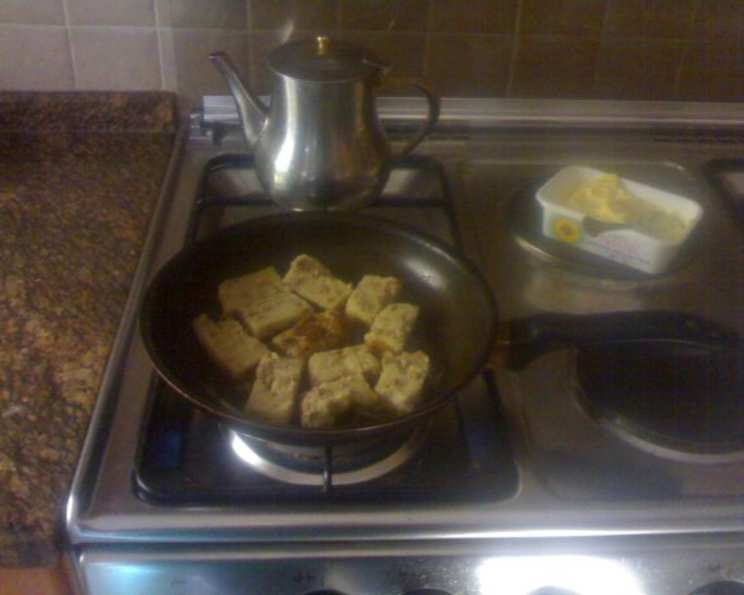
Savory Memories: My Journey with Mush Sausage
The scent of fried cornmeal is deeply etched in my childhood. Every year, as the leaves began their fiery descent, my grandmother would transform her kitchen into a veritable alchemy lab, concocting a dish she called “mush.” To a child, the name was utterly unappetizing. Yet, the crispy, golden-brown slices that emerged from her well-seasoned cast iron skillet were nothing short of culinary magic. It wasn’t until years later, while delving into regional American cuisine, that I realized her humble “mush” bore a striking resemblance to what others called “scrapple” or, as we’ll make today, “mush sausage” – a testament to the resourcefulness and flavorful traditions passed down through generations.
Recipe Overview
- Prep Time: 10 minutes
- Cook Time: 30 minutes
- Total Time: 40 minutes
- Servings: 12
- Yield: 3 small loaf pans or 1 large loaf pan
- Dietary Type: Varies (can be gluten-free and dairy-free)
Ingredients
- 1 1⁄2 cups cornmeal
- 2 cups water
- 2 tablespoons flour (all-purpose or gluten-free blend)
- 1 lb sausage, turkey sausage is a great option
- 1⁄2 teaspoon sage
- 1⁄2 teaspoon salt
- 1 tablespoon parsley, chopped
- 1 (12 ounce) can chicken broth
- 1 cup water
- 1 dash pepper
Equipment Needed
- Large saucepan
- Whisk
- Three small loaf pans or one large loaf pan
- Mixing bowl
- Frying pan
Instructions
- In a mixing bowl, combine the cornmeal, 2 cups of water, and flour. Whisk until well blended and set aside. This allows the cornmeal to hydrate and prevents lumps later on.
- In a large saucepan, bring the sausage, sage, salt, parsley, chicken broth, the remaining 1 cup of water, and pepper to a boil over medium-high heat. Be sure to break up the sausage as it cooks.
- Once the mixture is boiling, reduce the heat to medium-low. Gradually pour the cornmeal mixture into the saucepan, whisking constantly to prevent lumps from forming.
- Simmer the mixture for 15 minutes, stirring frequently. The mush will thicken significantly as it cooks. Ensure you scrape the bottom and sides of the pot to prevent sticking and burning.
- Pour the thickened mush into three small loaf pans or one large loaf pan.
- Allow the mush sausage to cool completely. Then, cover the loaf pans with plastic wrap and store in the refrigerator until ready to serve. This needs at least 4 hours, or preferably overnight, to fully solidify.
- When ready to serve, slice the chilled mush sausage into approximately 1/2-inch thick slices.
- Melt butter in a frying pan over medium heat.
- Fry slices of mush sausage in the buttered frying pan on each side until golden and crispy on the outside. This usually takes about 3-5 minutes per side, depending on your stove.
Expert Tips & Tricks
- Spice It Up: Feel free to adjust the seasonings to your liking. A pinch of red pepper flakes can add a nice kick.
- Sausage Selection: Experiment with different types of sausage for varying flavor profiles. Chorizo, Italian sausage, or even breakfast sausage can be used.
- Even Cooking: Ensure even cooking by using a heavy-bottomed saucepan.
- Prevent Sticking: To prevent sticking when frying, make sure the pan is adequately heated before adding the slices and don’t overcrowd the pan. Work in batches if necessary.
- Make Ahead: This dish is ideal for meal prepping. Prepare the mush sausage ahead of time and slice and fry it when you’re ready to eat.
Serving & Storage Suggestions
Serve the fried mush sausage hot, straight from the frying pan. It’s delicious on its own, with a drizzle of maple syrup, or alongside eggs and toast for a hearty breakfast.
Leftover cooked mush sausage can be stored in an airtight container in the refrigerator for up to 3-4 days. Sliced, unfried mush sausage can also be stored in the refrigerator in the loaf pan, tightly wrapped, for up to 5 days. Reheat fried slices in a frying pan or microwave. For longer storage, consider freezing the entire loaf of mush sausage. Wrap it tightly in plastic wrap and then foil, and it should last for up to 2-3 months. Thaw overnight in the refrigerator before slicing and frying.
Nutritional Information
| Nutrient | Amount per Serving | % Daily Value |
|---|---|---|
| Calories | 185.9 kcal | N/A |
| Calories from Fat | 104 g | 56% |
| Total Fat | 11.6 g | 17% |
| Saturated Fat | 3.8 g | 19% |
| Cholesterol | 21.9 mg | 7% |
| Sodium | 543.4 mg | 22% |
| Total Carbohydrate | 13.8 g | 4% |
| Dietary Fiber | 1.2 g | 4% |
| Sugars | 0.2 g | 0% |
| Protein | 6.5 g | 13% |
Note: Nutritional information is an estimate and may vary based on specific ingredients used.
Variations & Substitutions
- Vegetarian Option: Substitute the sausage with plant-based sausage crumbles or sautéed mushrooms for a vegetarian version.
- Gluten-Free: Ensure your flour is a gluten-free blend. Cornmeal is naturally gluten-free.
- Spicier Mush: Add a pinch of cayenne pepper or a dash of hot sauce to the mixture for a spicier flavor.
- Herb Infusion: Experiment with different herbs like thyme or rosemary for a unique flavor profile.
- Sweet Mush: For a sweeter flavor, add a tablespoon of brown sugar or molasses to the cornmeal mixture.
FAQs (Frequently Asked Questions)
Q: Can I use polenta instead of cornmeal?
A: While polenta and cornmeal are similar, polenta is typically coarser. Using polenta will result in a slightly grainier texture.
Q: Can I freeze the mush sausage after cooking?
A: Yes, you can freeze the cooked mush sausage. Wrap it tightly in plastic wrap and then foil, and it should last for up to 2-3 months. Thaw overnight in the refrigerator before slicing and frying.
Q: How do I prevent the mush from sticking to the pan during cooking?
A: Stir the mush frequently, especially towards the end of the cooking time, and make sure the pan is adequately heated before adding the slices to be fried.
Q: What can I serve with mush sausage?
A: Mush sausage pairs well with eggs, pancakes, maple syrup, or even as a side dish with a main course.
Q: Can I use broth other than chicken broth?
A: Yes, vegetable broth or even pork broth can be used as a substitute, depending on your preference.
Final Thoughts
I invite you to embrace the warmth and simplicity of this comforting dish. Whether you call it mush, scrapple, or something else entirely, I hope this recipe brings back cherished memories or helps you create new ones. Feel free to experiment with the ingredients and seasonings to make it your own. And if you happen to discover a particularly delicious variation, please share it – I’m always eager to learn and expand my culinary horizons. Now go forth and fry up some deliciousness!