
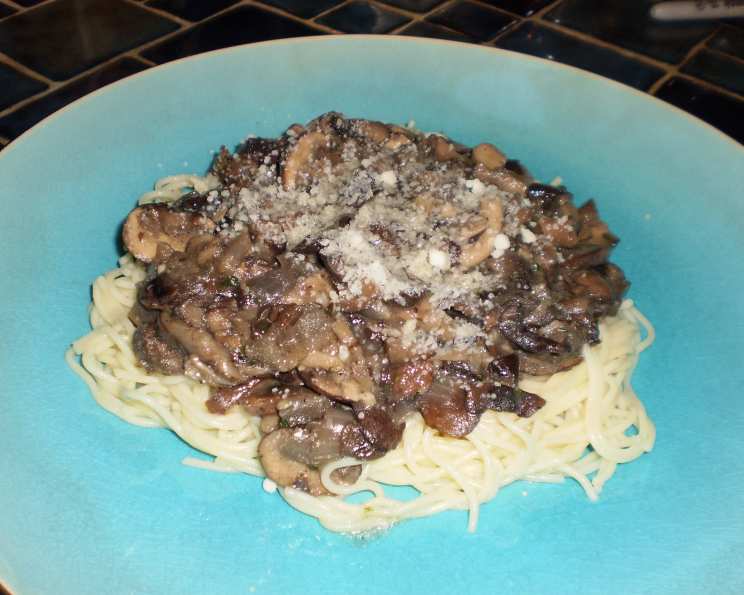
Low-Sodium Mushroom Sauce: A Symphony of Umami
I remember the first time I truly appreciated the magic of mushrooms. It was a cold autumn evening, and my grandmother, a woman who could coax flavor out of thin air, was simmering a simple mushroom sauce. The earthy aroma filled her cozy kitchen, promising warmth and comfort. She served it over wide ribbons of pappardelle, and the rich, savory sauce clung to every strand. It was a dish that spoke of simple ingredients transformed into something extraordinary, a testament to the power of patience and good ingredients. And now, I present a recipe that is inspired by that moment, but caters to a low-sodium lifestyle, without compromising the depth and deliciousness that I remember so fondly.
Recipe Overview
- Prep Time: 45 minutes
- Cook Time: 35 minutes
- Total Time: 1 hour 20 minutes (including soaking time)
- Servings: 4
- Dietary Type: Low-Sodium
Ingredients
- 1/4 ounce dried oyster mushrooms
- 1/4 ounce dried portabella mushrooms
- 1 1/2 cups hot water
- 6 tablespoons unsalted butter
- 1 red onion, chopped
- 1/4 lb fresh oyster mushrooms, chopped
- 1/4 lb fresh small portabella mushrooms, chopped
- Fresh ground black pepper, to taste
Equipment Needed
- Skillet
- Coffee filter
- Strainer
- Chopping board
- Knives
Instructions
- Begin by rehydrating the dried mushrooms. Place the dried oyster mushrooms and dried portabella mushrooms in a bowl and pour 1 1/2 cups of hot water over them. Let them soak for at least 30 minutes, or ideally overnight, for a more intense flavor.
- Once the mushrooms have soaked, remove them from the water. Rinse them thoroughly to remove any grit, and then chop them finely.
- It’s important not to discard the soaking liquid; it’s liquid gold! Strain the soaking liquid through a coffee filter to remove any sediment. Reserve this liquid, as it will be crucial for developing the sauce’s depth of flavor.
- In a large skillet, melt 3 tablespoons of unsalted butter over medium-low heat. Add the chopped red onion and cook, stirring occasionally, until they are softened and caramelized, about 10 minutes. Caramelizing the onions brings out their natural sweetness, providing a lovely counterpoint to the earthy mushrooms. Be patient and don’t rush this step; the slow cooking is key.
- Add the chopped rehydrated mushrooms to the skillet, along with 1/2 cup of the reserved mushroom soaking liquid. Cook for about 5 minutes, allowing the mushrooms to absorb the flavors and the liquid to reduce slightly.
- Next, add the fresh oyster mushrooms and fresh small portabella mushrooms to the skillet. Add the remaining 3 tablespoons of unsalted butter and a generous amount of freshly ground black pepper, to taste.
- If the mixture looks dry, add more of the reserved mushroom soaking liquid. Cover the skillet and cook for about 25-30 minutes, stirring occasionally. Check the moisture level periodically, adding more soaking liquid as needed to prevent the mushrooms from sticking and burning. The sauce should be moist, slightly saucy, but not soupy. The mushrooms should be tender and have released their flavors into the sauce.
- Serve the mushroom sauce immediately over your favorite hot pasta. A sprinkle of Parmesan cheese (if not restricting sodium too strictly, or use a low-sodium parmesan alternative) and some fresh chopped parsley adds a nice finishing touch.
Expert Tips & Tricks
- Overnight soaking: While the recipe calls for a minimum of 30 minutes of soaking, soaking the dried mushrooms overnight in the refrigerator yields a more intense mushroom flavor and a more tender texture.
- Don’t overcrowd the pan: If you’re doubling the recipe, cook the mushrooms in batches to avoid overcrowding the pan. Overcrowding will steam the mushrooms instead of allowing them to brown properly.
- Enhance the flavor: A splash of dry sherry or Marsala wine during the last few minutes of cooking can add a layer of complexity to the sauce. Be mindful of the sodium content in these additions, though!
- Thickening the sauce: If you prefer a thicker sauce, you can create a slurry by mixing a teaspoon of cornstarch with a tablespoon of cold water and stirring it into the sauce during the last few minutes of cooking.
- Adding Umami: A small amount of tomato paste or miso paste (use sparingly because of the salt) can boost the umami flavor of the sauce.
Serving & Storage Suggestions
Serve the warm, flavorful mushroom sauce immediately over your favorite pasta. It pairs exceptionally well with fettuccine, linguine, or pappardelle. A sprinkle of fresh herbs like parsley or thyme adds a pop of freshness and visual appeal.
Leftovers can be stored in an airtight container in the refrigerator for up to 3 days. To reheat, gently warm the sauce in a skillet over medium-low heat, adding a splash of water or broth if needed to prevent it from drying out. You can also reheat it in the microwave in short intervals, stirring in between, until heated through.
The mushroom sauce can also be frozen for up to 2 months. Thaw it overnight in the refrigerator before reheating. Freezing may slightly alter the texture of the mushrooms, but the flavor will remain intact.
Nutritional Information
| Nutrient | Amount per Serving | % Daily Value |
|---|---|---|
| Calories | 280 kcal | 14% |
| Total Fat | 20g | 31% |
| Saturated Fat | 12g | 60% |
| Cholesterol | 50mg | 17% |
| Sodium | 15mg | 1% |
| Carbohydrates | 8g | 3% |
| Fiber | 2g | 7% |
| Sugar | 3g | – |
| Protein | 3g | 6% |
Note: Nutritional information is an estimate and may vary based on specific ingredients and preparation methods.
Variations & Substitutions
- Vegan: To make this recipe vegan, substitute the butter with a high-quality olive oil or a vegan butter alternative.
- Gluten-Free: Serve the mushroom sauce over gluten-free pasta for a gluten-free meal.
- Other Mushrooms: Feel free to experiment with different types of fresh and dried mushrooms, such as shiitake, cremini, or porcini, to create your own unique flavor profile.
- Add Vegetables: Consider adding other vegetables like spinach, kale, or sun-dried tomatoes to the sauce for added nutrients and flavor.
- Spice It Up: A pinch of red pepper flakes can add a touch of heat to the sauce.
FAQs (Frequently Asked Questions)
Q: Can I use vegetable broth instead of the mushroom soaking liquid?
A: While vegetable broth can be used in a pinch, the mushroom soaking liquid is packed with umami flavor that will enhance the sauce.
Q: How can I prevent the mushrooms from becoming rubbery?
A: Avoid overcooking the mushrooms. Cook them until they are tender but still have some bite. Also, don’t overcrowd the pan, as this will steam them instead of browning them.
Q: Can I make this sauce ahead of time?
A: Yes, the mushroom sauce can be made ahead of time and stored in the refrigerator for up to 3 days. Reheat it gently before serving.
Q: Can I use dried herbs instead of fresh?
A: While fresh herbs are preferred, you can use dried herbs if necessary. Use about 1 teaspoon of dried herbs for every tablespoon of fresh herbs.
Q: What kind of pasta goes best with this sauce?
A: This sauce pairs well with a variety of pasta shapes, but wider noodles like fettuccine, pappardelle, or tagliatelle are particularly good at capturing the rich sauce.
Final Thoughts
This low-sodium mushroom sauce is a testament to the fact that flavorful and satisfying meals don’t require excessive amounts of salt. With a little bit of planning and attention to detail, you can create a sauce that is rich, earthy, and deeply satisfying. I encourage you to try this recipe and experiment with different types of mushrooms and herbs to create your own signature version. Enjoy this delightful sauce over your favorite pasta or as a topping for grilled chicken or vegetables. And don’t forget to share your culinary creations with friends and family! Bon appétit!