
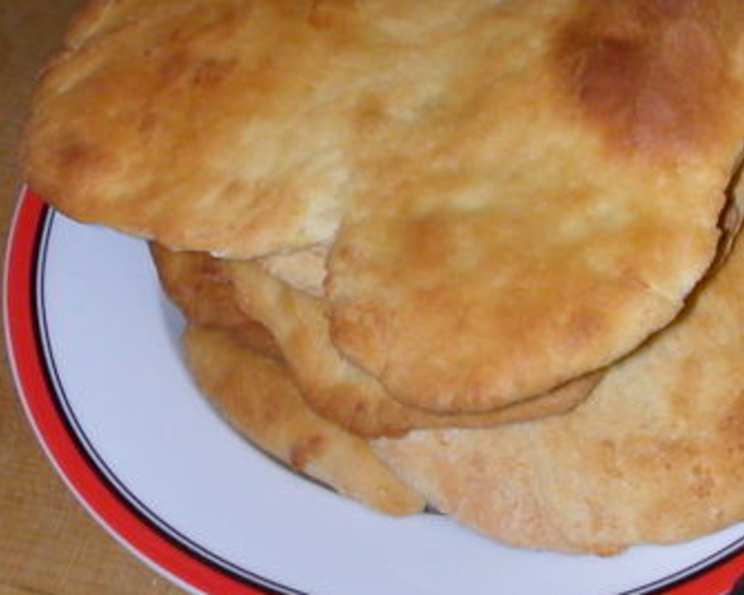
The Comfort of Home: Baking Perfect Muslim Naan
The scent always hits me first – a warm, yeasty fragrance that wraps around you like a hug. It’s the smell of my grandmother’s kitchen, filled with the promise of freshly baked Muslim naan. I remember sitting at her worn wooden table, mesmerized as she deftly stretched and slapped the dough, her hands moving with a practiced grace honed over decades. Each naan, slightly blistered and brushed with oil, was a tiny piece of her love, offered freely to family and friends.
Recipe Overview
- Prep Time: 30 minutes
- Cook Time: 6 minutes
- Total Time: 4 hours 36 minutes (including proofing)
- Servings: 6
- Yield: 6 naans
- Dietary Type: Vegetarian
Ingredients
- 4 cups plain flour
- 1 teaspoon salt
- 1 teaspoon sugar
- 2 teaspoons dry yeast
- 2 tablespoons yoghurt
- 3 tablespoons oil or 3 tablespoons butter (melted)
- 1 cup warm milk or 1 cup warm water
Equipment Needed
- Large mixing bowl
- Measuring cups and spoons
- Baking tray
- Clean kitchen towel or plastic wrap
- Oven
Instructions
- Begin by activating the yeast. In a small bowl, mix the dry yeast with the sugar and warm milk (or warm water). Let this mixture sit for approximately 20 minutes. You’ll know the yeast is active when it becomes foamy. This step is crucial for a light and airy naan.
- While the yeast activates, sift the plain flour and salt together in a large mixing bowl. This ensures even distribution and prevents lumps in your dough.
- Create a well in the center of the flour mixture. Add the yoghurt, 2 tablespoons of oil (or melted butter), and the yeast mixture to the well.
- Now it’s time to knead. Bring the ingredients together gradually, forming a soft and pliable dough. Knead the dough vigorously for about 8-10 minutes until it becomes smooth and elastic. This develops the gluten and gives the naan its characteristic chewiness.
- Place the kneaded dough in a lightly oiled bowl, turning it to coat all sides. Cover the bowl with a clean kitchen towel or plastic wrap. Leave aside in a warm place for 3-4 hours, or until the dough has doubled in size. This first proofing is essential for developing the dough’s flavor and texture.
- Once the dough has doubled, punch it down gently to release the air. Knead it well again for a few minutes to redistribute the yeast.
- Cover the dough again and leave it till it doubles in size for another 1 hour.
- Divide the dough into 6 equal portions.
- On a lightly floured surface, roll out each portion into a round disc approximately 6 inches in diameter. The thinner you roll it, the crispier the naan will be.
- Place rolled out naan and Leave it aside again covered so that it can double in size. Approximately 30 minutes.
- Before baking, brush the top of each naan generously with the remaining oil (or melted butter). This adds richness and helps the naan brown beautifully in the oven.
- Place the prepared naan on a baking tray.
- Bake in a pre-heated oven at 450 degrees Fahrenheit (232 degrees Celsius) for approximately 5-6 minutes, or until the top turns golden brown and slightly blistered. Watch them carefully, as they can burn quickly.
- Once removed from the oven, brush lightly over the sloping dark brown tops with oil (or melted butter) for added richness and shine. This also helps keep the naan soft.
Expert Tips & Tricks
- For a softer naan, use milk instead of water. The milk adds richness and tenderness to the dough.
- If your dough is too sticky, add a little flour, one tablespoon at a time, until it becomes manageable.
- To achieve that authentic tandoor-oven taste, try baking the naan on a pizza stone. The stone retains heat and helps create a crispier crust.
- If you don’t have time for a long proofing, you can use rapid-rise yeast, which will significantly shorten the rising time. However, the flavor may not be as complex.
- If you want to add flavor, sprinkle some sesame seeds, nigella seeds (kalonji), or chopped cilantro on top of the naan before baking.
Serving & Storage Suggestions
Serve your freshly baked Muslim naan warm, ideally straight from the oven. It’s a perfect accompaniment to curries, stews, kebabs, and grilled meats. You can also use it to make wraps or sandwiches.
To store leftover naan, wrap it tightly in plastic wrap or place it in an airtight container. It will stay fresh at room temperature for up to 2 days. For longer storage, you can freeze it for up to 2 months. To reheat, simply warm it in a microwave, oven, or on a skillet until heated through. Brush with a little melted butter or oil before reheating for extra flavor.
Nutritional Information
| Nutrient | Amount per Serving | % Daily Value* |
|---|---|---|
| Calories | 400 kcal | 20% |
| Total Fat | 9g | 12% |
| Saturated Fat | 2g | 10% |
| Cholesterol | 6mg | 2% |
| Sodium | 412mg | 17% |
| Total Carbohydrate | 67g | 22% |
| Dietary Fiber | 3g | 12% |
| Sugars | 1g | – |
| Protein | 11g | 22% |
*Percent Daily Values are based on a 2,000 calorie diet. Your daily values may be higher or lower depending on your calorie needs.
Variations & Substitutions
- Garlic Naan: Add minced garlic to the dough for a fragrant and flavorful twist.
- Butter Naan: Use melted butter instead of oil, both in the dough and for brushing on top, for an extra-rich flavor.
- Cheese Naan: Stuff the naan with grated cheese (such as mozzarella or cheddar) before baking for a cheesy and satisfying treat.
- Gluten-Free Naan: Use a gluten-free flour blend to make a gluten-free version. You may need to adjust the amount of liquid depending on the blend.
- Whole Wheat Naan: Replace half of the plain flour with whole wheat flour for a healthier and nuttier naan.
FAQs (Frequently Asked Questions)
Q: Why is my naan tough?
A: Over-kneading the dough or not allowing it to proof for long enough can result in a tough naan. Make sure to knead the dough until it’s smooth and elastic, and allow it to rise properly.
Q: How can I make my naan more flavorful?
A: Experiment with adding different herbs, spices, or seeds to the dough. You can also brush the naan with garlic butter or herb-infused oil after baking.
Q: Can I freeze the dough?
A: Yes, you can freeze the dough after the first proofing. Wrap it tightly in plastic wrap and store it in the freezer for up to 2 months. Thaw it in the refrigerator overnight before using.
Q: My naan is burning on the bottom but not cooking through on top. What should I do?
A: Lower the oven rack and/or reduce the oven temperature slightly. You can also try placing a baking sheet underneath the baking tray to prevent the bottom from burning.
Q: What can I serve with naan?
A: Naan is incredibly versatile and pairs well with a wide variety of dishes, including curries, stews, grilled meats, vegetables, and dips like hummus or raita.
Final Thoughts
Baking Muslim naan is more than just following a recipe; it’s about creating a connection to tradition and sharing a taste of home with loved ones. Don’t be intimidated by the process. Embrace it! Experiment with flavors and textures, and most importantly, enjoy the process. Gather your ingredients, preheat your oven, and let the aroma of freshly baked naan fill your kitchen. I encourage you to try this recipe and share your experiences. And if you are looking to enhance the experience, try serving with a side of Chicken Tikka Masala!