
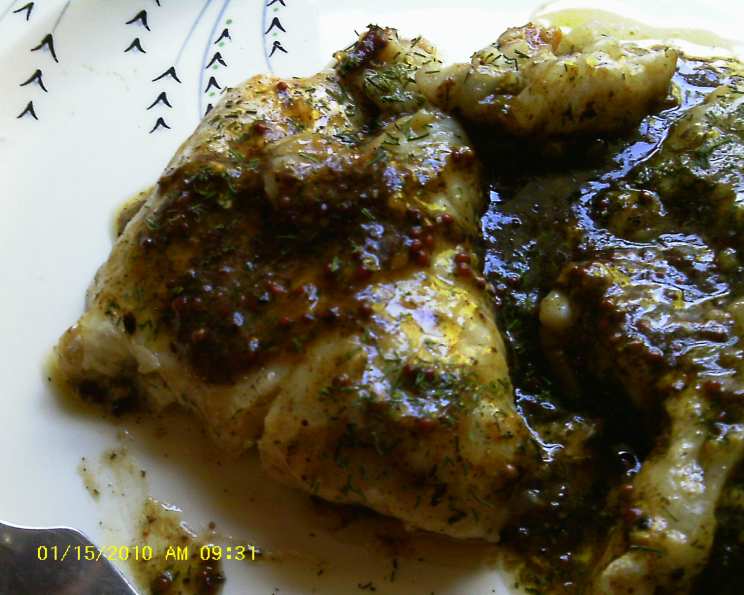
Mustard-Dill Catfish Fillets: A Symphony of Flavor
The memory is as clear as the summer sky above Lake Pontchartrain: my grandfather, a man of few words but immense culinary talent, pulling catfish from the water. He’d always prepare them with a simple mustard-dill sauce, a recipe seemingly etched in his DNA. The sharp mustard, fragrant dill, and flaky catfish created a taste so deeply comforting and familiar, it’s a flavor I chase to this day. This recipe is my homage to those simple, perfect meals shared on the porch, the scent of the lake mingling with the intoxicating aroma of fresh dill.
Recipe Overview
- Prep Time: 15 minutes
- Cook Time: 10 minutes
- Total Time: 25 minutes
- Servings: 4
- Dietary Type: Pescatarian
Ingredients
- 1 lb catfish fillet, thawed if frozen
- ¾ teaspoon lemon pepper
- 1 tablespoon butter or 1 tablespoon margarine
- 1 medium shallot, sliced
- 2 teaspoons mustard seeds
- ⅔ cup chicken broth
- 1 teaspoon Dijon mustard
- 3 ½ teaspoons cornstarch
- 1 tablespoon chopped fresh dill
- 1 tablespoon lemon juice
Equipment Needed
- Shallow baking dish
- Nonstick cooking spray
- Paper towels
- Medium skillet
- Small bowl
Instructions
-
Preheat your oven to 400 degrees Fahrenheit (200 degrees Celsius). This will ensure the catfish cooks quickly and evenly.
-
Coat a shallow baking dish with nonstick cooking spray. This prevents the fish from sticking and makes cleanup a breeze.
-
Pat the catfish fillets dry with paper towels. Removing excess moisture is crucial for achieving a beautiful sear and preventing the fish from steaming instead of baking.
-
Sprinkle the catfish fillets with lemon pepper. Be generous with the seasoning; it adds a bright, citrusy note that complements the fish.
-
Place the seasoned catfish fillets in the prepared shallow baking dish. Make sure the fillets are not overcrowded in the dish so that they cook evenly.
-
Bake for 8-10 minutes, or until the fish flakes easily with a fork. The cooking time will depend on the thickness of the fillets. Check for doneness by inserting a fork into the thickest part of the fish and gently twisting. If the fish flakes apart easily, it’s ready.
-
While the catfish is baking, prepare the sauce. Melt the butter (or margarine) in a medium skillet over medium heat. Watch the butter closely to prevent it from burning.
-
Add the sliced shallot and mustard seeds to the melted butter. Cook and stir for 2 minutes, until the shallot is softened and fragrant and the mustard seeds begin to pop slightly. The shallot will add a subtle oniony sweetness, and the mustard seeds will release their pungent flavor.
-
In a small bowl, whisk together the Dijon mustard, cornstarch, and chicken broth until smooth. This mixture will thicken the sauce beautifully. Be sure to fully incorporate the cornstarch to avoid lumps.
-
Add the broth mixture to the skillet with the shallots and mustard seeds. Cook and stir continuously until the sauce has thickened. This should take only a minute or two.
-
Remove the skillet from the heat and stir in the fresh dill and lemon juice. The dill adds a fresh, herbaceous note, while the lemon juice brightens the sauce and balances the richness of the butter.
-
Once the catfish is cooked, remove it from the oven. Drizzle the mustard-dill sauce generously over the fillets.
-
Serve immediately and enjoy the explosion of flavors.
Expert Tips & Tricks
- Achieving the Perfect Sear: Patting the fish dry before seasoning is the key to a good sear, even when baking. Excess moisture can hinder browning.
- Shallot Substitute: If you don’t have shallots on hand, substitute with finely chopped yellow onion. Sauté until translucent before adding the mustard seeds.
- Fresh vs. Dried Dill: Fresh dill is highly recommended for the most vibrant flavor. If you must use dried dill, use about 1 teaspoon, as dried herbs have a more concentrated flavor.
- Sauce Consistency: If the sauce becomes too thick, add a tablespoon or two of chicken broth to thin it out. If it’s too thin, whisk a tiny amount of cornstarch (1/4 teaspoon) into a tablespoon of cold water and whisk that into the simmering sauce.
- Make-Ahead Tip: The mustard-dill sauce can be made a day in advance and stored in the refrigerator. Reheat gently before drizzling over the baked catfish.
Serving & Storage Suggestions
Serve the Mustard-Dill Catfish Fillets immediately for the best flavor and texture. This dish pairs beautifully with steamed asparagus, roasted potatoes, or a simple green salad. Garnish with extra fresh dill sprigs for an elegant presentation.
Leftovers should be stored in an airtight container in the refrigerator and will keep for up to 2 days. Reheat gently in a skillet over low heat or in the microwave. Avoid overcooking, as the fish can become dry. Freezing is not recommended, as the texture of the fish may change.
Nutritional Information
| Nutrient | Amount per Serving | % Daily Value |
|---|---|---|
| Calories | 185 kcal | – |
| Total Fat | 10g | 15% |
| Saturated Fat | 3g | 17% |
| Cholesterol | 70mg | 23% |
| Sodium | 276mg | 11% |
| Total Carbohydrate | 4g | 1% |
| Dietary Fiber | 0g | 0% |
| Sugars | 0g | – |
| Protein | 19g | 37% |
Note: Nutritional information is an estimate and can vary based on specific ingredients and portion sizes.
Variations & Substitutions
- Spicier Kick: Add a pinch of red pepper flakes to the sauce for a touch of heat.
- Creamy Version: Stir in a tablespoon of heavy cream or crème fraîche at the end for a richer sauce.
- Herb Variations: Experiment with other fresh herbs, such as parsley, chives, or thyme.
- Fish Substitution: If you don’t have catfish, try this recipe with other flaky white fish, such as cod, tilapia, or haddock. Adjust baking time as needed.
- Gluten-Free: Ensure your chicken broth and Dijon mustard are gluten-free for a gluten-free meal.
- Vegan Option: Try this sauce over baked tofu instead. Use vegetable broth instead of chicken broth and olive oil instead of butter.
FAQs (Frequently Asked Questions)
Q: Can I use frozen dill if I don’t have fresh?
A: While fresh dill is ideal, frozen dill can be used as a substitute. Use the same amount (1 tablespoon), but be aware that the flavor may not be quite as pronounced.
Q: How do I know when the catfish is done?
A: The catfish is done when it flakes easily with a fork. Insert a fork into the thickest part of the fillet and gently twist. If the fish separates into flakes, it’s ready. The internal temperature should reach 145°F (63°C).
Q: Can I grill the catfish instead of baking it?
A: Yes, grilling is a great option! Preheat your grill to medium heat. Grill the catfish fillets for about 4-5 minutes per side, or until cooked through.
Q: Can I add other vegetables to the sauce?
A: Absolutely! Sliced mushrooms, chopped bell peppers, or diced zucchini would be delicious additions to the sauce. Add them to the skillet along with the shallots.
Q: What side dishes go well with this recipe?
A: This dish pairs well with a variety of side dishes, such as roasted vegetables, rice pilaf, quinoa, or a simple green salad.
Final Thoughts
Mustard-Dill Catfish Fillets is a dish that’s more than just a meal; it’s a warm hug on a plate. I encourage you to try this recipe and experience the magic of simple, fresh ingredients coming together in perfect harmony. Don’t be afraid to experiment with variations and make it your own. And if you do, please share your creations and feedback – I’d love to hear about your culinary adventures! Pair this dish with a crisp white wine, such as Sauvignon Blanc, to elevate the flavors and create a truly memorable dining experience. Bon appétit!