
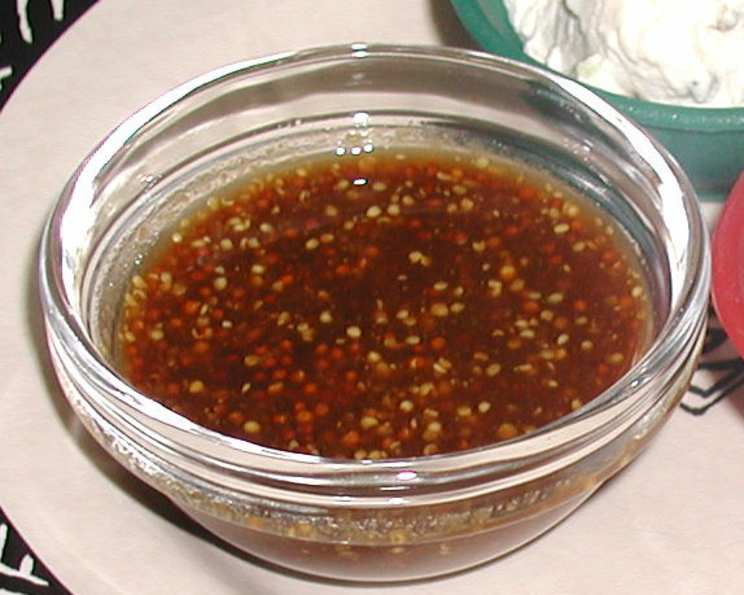
The Umami Kick: Mastering Homemade Mustard Dipping Sauce
Mustard. It’s a flavor that instantly transports me back to childhood summers spent at my grandfather’s farm. He always had a jar of his homemade mustard in the fridge, pungent and bright, ready to slather on a simple ham sandwich. While I wasn’t a fan of the mustard sandwiches back then, I loved dipping my fries and veggies in it. It was the perfect combination of tangy, spicy, and savory, and it made even the simplest foods feel special. This recipe for Mustard Dipping Sauce evokes that same sense of simple deliciousness, but with an added layer of umami that makes it absolutely irresistible.
Recipe Overview
- Prep Time: 5 minutes
- Cook Time: 0 minutes
- Total Time: 5 minutes
- Servings: 12
- Yield: About 1/2 cup
- Dietary Type: Gluten-Free
Ingredients
- 2 tablespoons soy sauce
- 2 tablespoons sake
- 1 tablespoon Dijon mustard
- 1/4 teaspoon hot pepper sauce
Equipment Needed
- Small bowl
- Whisk or fork
Instructions
- In a small bowl, combine the soy sauce and sake.
- Add the Dijon mustard to the bowl.
- Whisk the ingredients together until the mustard is fully incorporated and the mixture is smooth.
- Add the hot pepper sauce.
- Whisk again to thoroughly blend all the ingredients. The sauce should be uniform in color and consistency.
- Serve immediately or refrigerate for later use. This sauce will keep for a short period of time if refrigerated.
Expert Tips & Tricks
- Adjust the heat: The amount of hot pepper sauce can be adjusted to your personal preference. Start with a smaller amount and add more to taste. For a milder flavor, use a sweet chili sauce instead of a hot pepper sauce.
- Use quality ingredients: The flavor of this sauce relies heavily on the quality of the ingredients. Use good quality soy sauce, sake, and Dijon mustard for the best results.
- Emulsify properly: Make sure to whisk the ingredients thoroughly to ensure that the mustard is fully emulsified into the soy sauce and sake. This will prevent the sauce from separating.
- Make it ahead of time: While this sauce is best served fresh, it can be made a day or two in advance and stored in the refrigerator. This allows the flavors to meld together even more. Just be sure to give it a good whisk before serving.
- Sake selection: The sake you use will influence the final flavor. A dry sake provides a clean, crisp taste, while a sweeter sake will add a touch of sweetness. Experiment to find your preferred balance. Don’t use cooking sake, as it typically contains added salt.
Serving & Storage Suggestions
This Mustard Dipping Sauce is incredibly versatile and can be used in a variety of ways. It’s excellent as a dip for meatballs, egg rolls, spring rolls, or chicken tenders. It can also be used as a marinade for grilled meats or vegetables. Drizzle it over roasted vegetables or use it as a salad dressing for an Asian-inspired salad.
Store any leftover sauce in an airtight container in the refrigerator. It will keep for up to a week. While it can be kept at room temperature for a short period, refrigeration is recommended to maintain its quality and prevent spoilage. It is not recommended to freeze this sauce as the texture may change upon thawing.
Nutritional Information
| Nutrient | Amount per Serving | % Daily Value |
|---|---|---|
| Calories | 6 kcal | 0% |
| Total Fat | 0g | 0% |
| Saturated Fat | 0g | 0% |
| Cholesterol | 0mg | 0% |
| Sodium | 184mg | 8% |
| Total Carbohydrate | 0g | 0% |
| Dietary Fiber | 0g | 0% |
| Sugars | 0g | 0% |
| Protein | 0g | 0% |
Nutritional information is an estimate and may vary based on specific ingredients used.
Variations & Substitutions
- Spicy Mustard: For an extra kick, use a spicy Dijon mustard or add a pinch of cayenne pepper to the sauce.
- Honey Mustard: Add a teaspoon of honey to the sauce for a sweeter flavor.
- Wasabi Mustard: Incorporate a small amount of wasabi paste for a Japanese-inspired twist.
- Gluten-Free: This recipe is naturally gluten-free. However, always double-check the labels of your soy sauce and Dijon mustard to ensure they are certified gluten-free. If you’re very sensitive, Tamari sauce is an excellent substitute for soy sauce.
- Rice Vinegar Substitute: If you don’t have sake, try using rice vinegar with a tiny pinch of sugar for sweetness. This will give a similar flavor profile.
FAQs (Frequently Asked Questions)
Q: Can I use regular yellow mustard instead of Dijon?
A: While you can, the flavor will be quite different. Dijon mustard has a sharper, more complex flavor that works best in this recipe. Yellow mustard is milder and may not provide the same depth.
Q: Is it necessary to use sake?
A: Sake adds a unique depth of flavor, but you can substitute with rice vinegar mixed with a tiny bit of sugar or mirin. Avoid using regular white vinegar, as it will be too acidic.
Q: How long will this dipping sauce last in the refrigerator?
A: Properly stored in an airtight container, it will last for up to a week in the refrigerator. Be sure to check for any changes in smell or appearance before using.
Q: Can I make this sauce sweeter?
A: Yes, you can add a touch of honey, maple syrup, or agave nectar to sweeten the sauce to your liking. Start with a small amount and adjust to taste.
Q: What’s the best way to serve this dipping sauce?
A: This sauce is best served chilled or at room temperature. Place it in a small bowl alongside your favorite appetizers, such as egg rolls, dumplings, or grilled meats.
Final Thoughts
This Mustard Dipping Sauce is a simple yet incredibly flavorful condiment that can elevate any meal. Its versatility makes it a perfect addition to your culinary repertoire. Don’t be afraid to experiment with different variations and ingredient substitutions to create your own signature version. I encourage you to try this recipe and share your creations with friends and family. Let me know what you think and how you’ve adapted it to suit your taste! Happy dipping!