
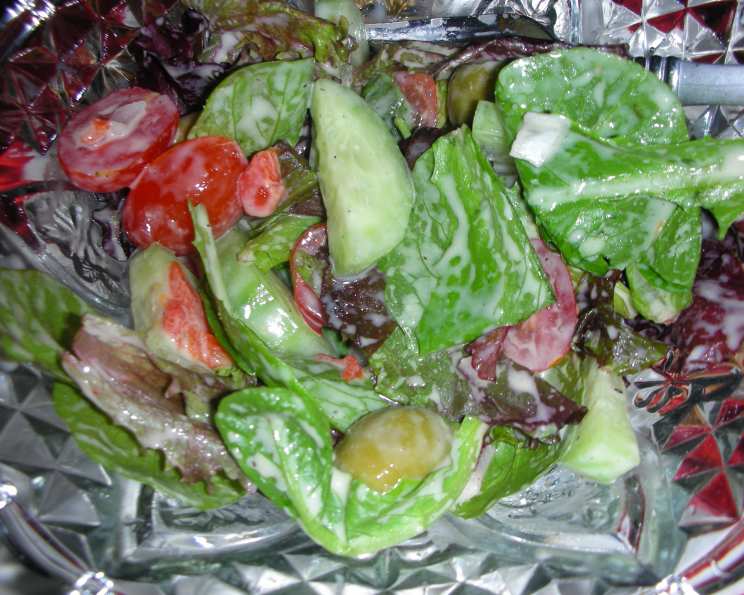
Mustard-Sour Cream Salad Dressing: A Culinary Revelation
I still remember the first time I tasted a dressing remotely like this. It was at a potluck picnic, years ago, hosted by a dear friend with a penchant for surprisingly bold flavors. Amidst the usual potato salads and deviled eggs, a simple green salad sat quietly, almost apologetically. But one bite, and I was hooked. The creamy tang, the subtle mustardy kick – it was an awakening for my taste buds, a realization that salad dressing could be so much more than just an afterthought. I’ve been chasing that flavor ever since, and this recipe, I believe, finally captures its essence.
Recipe Overview:
- Prep Time: 10 minutes
- Cook Time: 0 minutes
- Total Time: 10 minutes
- Yields: 2 cups
- Dietary Type: Vegetarian
Ingredients:
- ½ cup red wine vinegar
- ½ cup sour cream
- ½ cup Dijon mustard
- 2 teaspoons sugar
- 2 garlic cloves, peeled
- ¼ teaspoon salt
- ¼ teaspoon white pepper
- ¼ teaspoon Worcestershire sauce
- 1 ½ cups vegetable oil
Equipment Needed:
- Blender
- Bowl or Pitcher
- Measuring cups and spoons
Instructions:
- In a blender, combine the red wine vinegar, sour cream, Dijon mustard, sugar, garlic cloves, salt, white pepper, and Worcestershire sauce.
- Cover the blender and process the ingredients until the mixture is completely smooth. This may take a minute or two, depending on the strength of your blender. Ensure no garlic chunks remain.
- With the blender still running on low speed, begin to gradually add the vegetable oil in a slow, steady stream. This is crucial for emulsification, which is the process of combining oil and water-based liquids to create a stable, creamy dressing. Don’t rush this step! The slow addition of the oil helps to create a beautiful, thick emulsion.
- Continue adding the oil until all of it has been incorporated and the dressing has reached a smooth, creamy consistency.
- Transfer the prepared dressing to a bowl or pitcher for easy pouring and storage.
- Cover the bowl or pitcher tightly and refrigerate the dressing until serving. Allowing the dressing to chill for at least 30 minutes will help the flavors meld together and deepen.
Expert Tips & Tricks:
-
Emulsification is key! The secret to a creamy, stable dressing lies in the emulsification process. Adding the oil slowly and gradually while the blender is running is essential. If the dressing appears to separate after refrigeration, simply whisk it vigorously before serving.
-
Garlic Intensity: If you prefer a more subtle garlic flavor, you can roast the garlic cloves before adding them to the blender. Roasting mellows out the garlic and adds a touch of sweetness. To roast, simply toss the peeled cloves with a little olive oil, wrap them in foil, and bake at 400°F (200°C) for about 20-25 minutes, or until soft and golden brown.
-
Adjusting the Tang: The ratio of vinegar to sour cream can be adjusted to suit your personal preference. If you prefer a tangier dressing, increase the amount of vinegar slightly. If you prefer a milder dressing, increase the amount of sour cream.
-
Sweetness Check: Taste the dressing after blending and adjust the amount of sugar as needed. Some Dijon mustards are saltier or more acidic than others, so you may need to tweak the sweetness to achieve the perfect balance.
-
Herb Infusion: For a fresh, herbaceous twist, try adding a handful of fresh herbs to the blender along with the other ingredients. Dill, chives, parsley, or tarragon would all be excellent choices. Just be sure to chop the herbs roughly before adding them to the blender.
-
Don’t over-blend: Once the dressing is emulsified, avoid over-blending. Over-blending can cause the dressing to become too thick or even separate.
Serving & Storage Suggestions:
This Mustard-Sour Cream Salad Dressing is incredibly versatile and can be used in a variety of ways. It’s delicious on green salads, of course, but it’s also fantastic as a dipping sauce for vegetables, a marinade for chicken or fish, or a spread for sandwiches and wraps.
For serving, drizzle the dressing generously over your favorite salad or serve it on the side in a small bowl for dipping. To elevate the presentation, garnish the salad with a sprinkle of fresh herbs or a few thinly sliced radishes.
Store any leftover dressing in an airtight container in the refrigerator. It will keep for up to 5-7 days. If the dressing separates during storage, simply whisk it vigorously before serving. It is not recommended to freeze this dressing, as the texture may change upon thawing.
Nutritional Information:
| Nutrient | Amount per Serving (approx. 2 tablespoons) | % Daily Value |
|---|---|---|
| Calories | 163 | N/A |
| Total Fat | 17.7g | 27% |
| Saturated Fat | 2.8g | 14% |
| Cholesterol | 3mg | 1% |
| Sodium | 105mg | 4% |
| Total Carbohydrate | 1.1g | 0% |
| Dietary Fiber | 0.2g | 1% |
| Sugars | 0.7g | N/A |
| Protein | 0.4g | 1% |
Note: Nutritional information is an estimate and may vary based on specific ingredients and serving sizes.
Variations & Substitutions:
- Vegan Variation: Substitute the sour cream with a plant-based alternative like cashew cream or a thick vegan yogurt. Ensure the Worcestershire sauce you are using is vegan-friendly, as some brands contain anchovies.
- Honey-Mustard Twist: Replace the sugar with an equal amount of honey for a slightly sweeter, more floral flavor.
- Spicy Kick: Add a pinch of cayenne pepper or a dash of hot sauce to the blender for a touch of heat.
- Herbaceous Delight: As mentioned before, experiment with different fresh herbs to customize the flavor profile. Consider adding dill, chives, parsley, or tarragon.
- Low-Fat Option: Use light sour cream and reduce the amount of vegetable oil slightly. You may need to add a tablespoon or two of water to achieve the desired consistency.
FAQs (Frequently Asked Questions):
Q: Can I use a different type of vinegar?
A: While red wine vinegar provides a classic tang, you can experiment with other vinegars like apple cider vinegar or white wine vinegar. Keep in mind that each type of vinegar will impart a slightly different flavor profile to the dressing.
Q: My dressing separated after refrigeration. Is it still safe to use?
A: Yes, it’s perfectly safe to use. Separation is a common occurrence with homemade dressings, especially those made with oil and vinegar. Simply whisk the dressing vigorously before serving to re-emulsify it.
Q: Can I make this dressing ahead of time?
A: Absolutely! In fact, making the dressing a few hours ahead of time allows the flavors to meld together and deepen. Just be sure to store it in an airtight container in the refrigerator until serving.
Q: Can I use a hand mixer instead of a blender?
A: While a blender is the preferred method for achieving a smooth, creamy emulsion, you can use a hand mixer if you don’t have a blender. Just be sure to add the oil very slowly and gradually, whisking constantly to ensure proper emulsification.
Q: What’s the best type of Dijon mustard to use?
A: The quality of the Dijon mustard will affect the flavor of the dressing, so choose a good quality brand that you enjoy. There are many different types of Dijon mustard available, from classic Dijon to flavored varieties like honey Dijon or whole grain Dijon. Experiment to find your favorite!
Final Thoughts:
This Mustard-Sour Cream Salad Dressing is more than just a condiment; it’s a culinary experience. It’s a testament to the fact that simple ingredients, when combined with care and attention, can create something truly extraordinary. Don’t be afraid to experiment with different variations and substitutions to create a dressing that is perfectly tailored to your taste. I encourage you to give this recipe a try and share your feedback with me. Pair it with a crisp green salad topped with grilled chicken or salmon for a complete and satisfying meal. Enjoy!