
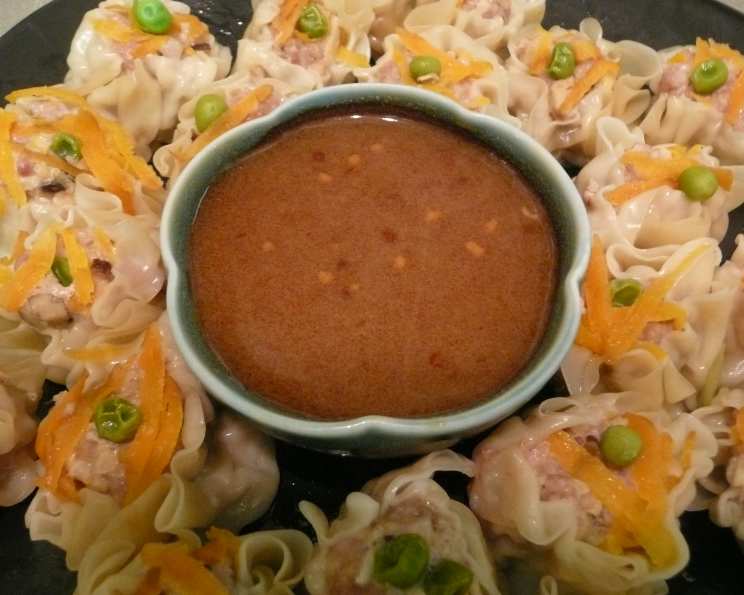
The Unexpected Magic of Mustard-Soy: A Dipping Sauce Revelation
My earliest memories of dim sum are intertwined with a certain electric yellow condiment. Not the fiery hot mustard that clears your sinuses in a single breath, but something more nuanced, something…addictive. It was a complex dance of savory, sweet, and a gentle zing that elevated every bite of delicate siu mai. Years later, I stumbled upon Martin Yan’s Chinatown Cooking, and there it was: the recipe for that very sauce, waiting to be rediscovered. This Mustard-Soy Dipping Sauce isn’t just an accompaniment; it’s a culinary revelation that deserves a place in your repertoire.
Recipe Overview
- Prep Time: 5 minutes
- Cook Time: 0 minutes (plus 30 minutes resting)
- Total Time: 35 minutes
- Servings: Variable, approximately ½ cup
- Yield: Approximately ½ cup
- Dietary Type: Vegetarian, Gluten-Free (check soy sauce)
Ingredients
- 4 teaspoons mustard powder
- 4 teaspoons distilled white vinegar
- ¼ cup soy sauce
- 2 tablespoons honey
- 2 teaspoons honey (yes, another measurement of honey!)
- 2 teaspoons rice vinegar
- 1 teaspoon chili sauce (such as Sriracha)
Equipment Needed
- Small bowl
- Whisk or fork
Instructions
-
In a small bowl, vigorously stir together the mustard powder and distilled white vinegar until a smooth paste forms. This step is crucial; you want to eliminate any lumps for a perfectly smooth sauce. Be patient and persistent with the mixing!
-
Add the soy sauce, 2 tablespoons of honey, 2 teaspoons of honey, rice vinegar, and chili sauce to the bowl.
-
Thoroughly whisk all the ingredients together until the sauce is completely smooth and homogenous. Make sure the honey is fully dissolved.
-
Let the sauce stand at room temperature for at least 30 minutes. This “marrying” period allows the flavors to fully meld and deepen, transforming the individual components into a cohesive and harmonious whole. Don’t skip this step! The difference in flavor is significant.
Expert Tips & Tricks
-
Mustard Powder Quality Matters: Use a high-quality mustard powder for the best flavor. Cheaper brands can sometimes taste bitter or metallic. Look for a vibrant yellow color, which indicates freshness.
-
Honey Hack: For easier mixing, gently warm the honey in the microwave for a few seconds until it’s more liquid. Be careful not to overheat it.
-
Spice It Up (or Down): Adjust the amount of chili sauce to your preference. If you prefer a milder sauce, start with just a ¼ teaspoon and taste as you go. For serious heat, try adding a pinch of red pepper flakes.
-
Soy Sauce Selection: The type of soy sauce you use will impact the sauce’s final flavor. Regular soy sauce will provide a deeper, saltier flavor. Low-sodium soy sauce allows the other ingredients to shine through more. Tamari is a good gluten-free option.
-
Vinegar Variations: While distilled white vinegar provides a sharp tang, you could experiment with other vinegars. Apple cider vinegar adds a touch of sweetness, while balsamic vinegar offers a more complex and nuanced flavor (use sparingly!).
-
Sweetness Adjustment: If you find the sauce too sweet, add a splash of rice vinegar or a squeeze of lemon juice to balance the flavors.
-
Freshness Test: Before serving, give the sauce a quick taste. If it tastes dull, a tiny pinch of salt can brighten it up.
Serving & Storage Suggestions
This Mustard-Soy Dipping Sauce is incredibly versatile. It’s fantastic with:
- Dim Sum: Of course! Siu mai, potstickers, spring rolls, and dumplings all benefit from a dunk in this flavorful sauce.
- Grilled Meats and Vegetables: Brush it on chicken, pork, or tofu during the last few minutes of grilling for a delicious glaze. It also pairs well with grilled asparagus, bell peppers, and eggplant.
- Seafood: Drizzle it over grilled or pan-seared fish or shrimp.
- Noodle Dishes: Toss it with noodles and vegetables for a quick and easy stir-fry.
- Salad Dressing: Whisk it with a little sesame oil and ginger for a flavorful Asian-inspired salad dressing.
Storage:
- Store the Mustard-Soy Dipping Sauce in an airtight container in the refrigerator.
- It will keep for up to a week, but the flavors will continue to develop over time.
- Bring the sauce to room temperature before serving to allow the flavors to fully express themselves.
- Freezing is not recommended, as it can alter the texture and flavor of the sauce.
Nutritional Information
(Estimated per serving, based on a yield of ½ cup and 1 tablespoon serving size)
| Nutrient | Amount per Serving | % Daily Value |
|---|---|---|
| Calories | 45 kcal | 2% |
| Total Fat | 0g | 0% |
| Saturated Fat | 0g | 0% |
| Cholesterol | 0mg | 0% |
| Sodium | 510mg | 22% |
| Total Carbohydrate | 11g | 4% |
| Dietary Fiber | 0g | 0% |
| Sugars | 10g | |
| Protein | 0g | 0% |
Note: Nutritional information is an estimate and may vary based on specific ingredients used.
Variations & Substitutions
- Gluten-Free: Use tamari instead of regular soy sauce to make this sauce gluten-free.
- Low-Sodium: Opt for low-sodium soy sauce and reduce the amount slightly.
- Spicier: Add a pinch of red pepper flakes or a dash of your favorite hot sauce for extra heat. You can also use a chili-garlic sauce instead of plain chili sauce.
- Sweeter: If you prefer a sweeter sauce, add an extra teaspoon or two of honey. Maple syrup or agave nectar can also be used as substitutes.
- Savory: Add a teaspoon of grated ginger or minced garlic for a more complex savory flavor. A drop or two of sesame oil can also add depth.
- Vegan: This recipe is naturally vegan, making it a great choice for plant-based diets.
FAQs (Frequently Asked Questions)
Q: Can I make this sauce ahead of time?
A: Absolutely! In fact, it’s even better if you do. The flavors meld and deepen as it sits. Just store it in an airtight container in the refrigerator.
Q: Can I use a different type of mustard?
A: While mustard powder is recommended for the best results, you could experiment with Dijon mustard in a pinch. However, the flavor profile will be different, so adjust the other ingredients accordingly.
Q: Is this sauce very spicy?
A: The amount of spice is easily adjustable. Start with a small amount of chili sauce and add more to taste.
Q: Can I use a sugar substitute instead of honey?
A: Yes, you can use a sugar substitute like agave nectar or maple syrup. Keep in mind that the flavor may be slightly different.
Q: What if I don’t have rice vinegar?
A: You can substitute with apple cider vinegar or white wine vinegar, but the flavor will be slightly different. Rice vinegar has a milder, slightly sweet flavor that complements the other ingredients well.
Final Thoughts
This Mustard-Soy Dipping Sauce is more than just a condiment; it’s a flavor adventure waiting to happen. It’s the perfect balance of sweet, savory, and tangy, with a gentle kick that will keep you coming back for more. So, ditch the store-bought sauces and whip up a batch of this homemade goodness. I encourage you to experiment with the variations and find your perfect flavor combination. Whether you’re dipping siu mai, glazing grilled chicken, or dressing a salad, this sauce is sure to elevate your culinary creations. Let me know what you think! I’d love to hear how you’re using it and what variations you’ve discovered. Happy cooking!