
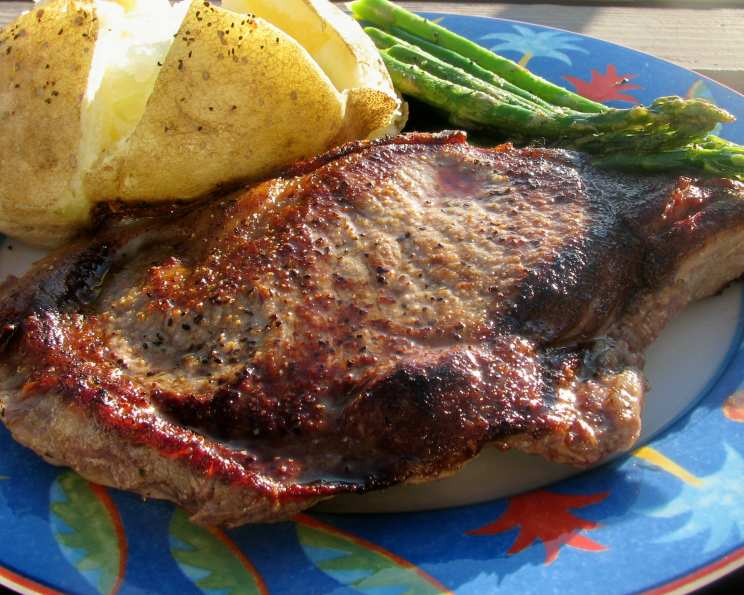
My Best Steak: A Culinary Masterpiece
I can still remember the first time I truly understood the magic of a perfectly cooked steak. It was a summer evening, the grill was hot, and the aroma of searing beef filled the air. My grandfather, a man of few words but immense skill in the kitchen, guided me through the process. That first bite—the tender, juicy interior, the savory crust, the explosion of flavor—was transformative. From that moment on, I was determined to master the art of cooking the perfect steak. This recipe embodies everything I’ve learned since then.
Recipe Overview:
- Prep Time: 5 minutes
- Cook Time: 9 minutes
- Total Time: 14 minutes
- Servings: 1
- Yield: 1 steak
- Dietary Type: Carnivore
Ingredients:
- 10 ounces rib eye steak, about 3/4 to 1 inch thick of good quality with plenty of fat in the steak but not round the edge
- 1/2 teaspoon salt
- 2 tablespoons vegetable oil
Equipment Needed:
- Rolling pin or wooden mallet
- Skillet or ribbed frying pan
Instructions:
-
Begin by preparing the rib eye steak. Using a rolling pin or wooden mallet, gently beat the steak for about a minute. This tenderizes the meat without tearing it, creating a more even cooking surface.
-
Next, heat your skillet or ribbed frying pan. Pour in 2/3 of the vegetable oil and place the pan over high heat. The goal is to get the pan incredibly hot, almost to the point of smoking. A hot pan is crucial for achieving a beautiful sear and locking in the juices.
-
Season the steak generously. Sprinkle 1/2 teaspoon of salt on both sides of the steak, ensuring it’s evenly distributed. Rub the salt into the meat to help it penetrate. Then, rub the remaining vegetable oil all over the steak, creating a flavorful base for the searing process.
-
Carefully place the seasoned steak into the extremely hot pan. Immediately turn the heat down to a medium-high setting. It’s important to quickly reduce the heat slightly to prevent the oil from splattering excessively and to allow the steak to cook evenly without burning.
-
The key to a perfect steak is patience. Resist the urge to move the steak around. Leave the steak alone to cook undisturbed for the specified time to develop a deep, golden-brown crust.
-
For a rare steak, cook for 3 minutes per side. For medium-rare, cook for 4 minutes per side. And for a medium steak, cook for 5 minutes per side. Remember these times are guidelines; the actual cooking time may vary depending on the thickness of your steak and the heat of your pan.
-
Once the steak is cooked to your desired doneness, remove it from the pan. Place it on a clean plate and allow it to rest for 2 minutes before serving. Resting is vital because it allows the juices to redistribute throughout the steak, resulting in a more tender and flavorful final product. Cutting into the steak immediately will cause those precious juices to run out, leaving you with a drier piece of meat.
-
Serve immediately and enjoy your expertly cooked steak.
Expert Tips & Tricks:
- Dry Brining: For even more intense flavor, salt the steak 1-2 hours (or even overnight) before cooking. This process, known as dry brining, allows the salt to penetrate deeper into the meat, resulting in a more seasoned and tender steak.
- Temperature Matters: While the touch test (pressing on the steak to gauge doneness) takes practice, a meat thermometer is your best friend for accuracy. Aim for an internal temperature of 125-130°F for rare, 130-135°F for medium-rare, and 135-145°F for medium.
- Pan Selection: A cast-iron skillet is ideal for cooking steak because it retains heat exceptionally well. However, any heavy-bottomed skillet will work.
- Don’t Overcrowd: If cooking multiple steaks, avoid overcrowding the pan. Cook them in batches to ensure each steak gets a good sear.
- Flavor Infusion: Add a knob of butter and some aromatics like garlic cloves and sprigs of thyme or rosemary to the pan during the last minute of cooking. Baste the steak with the melted butter for extra flavor and richness.
Serving & Storage Suggestions:
Serve your perfectly cooked steak immediately for the best flavor and texture. Classic accompaniments include garlic mushrooms, fried onions, tinned tomatoes, and French fries. For a healthier option, serve with a baked potato and a fresh salad.
Leftover steak can be stored in an airtight container in the refrigerator for up to 3 days. To reheat, gently warm it in a skillet over low heat or in a preheated oven at 250°F until heated through. Avoid microwaving, as it can make the steak tough and dry. Cold steak is also delicious sliced thinly and used in sandwiches or salads.
Do not leave steak at room temperature for more than 2 hours, as this can lead to bacterial growth. Freezing cooked steak is not recommended, as it can significantly alter the texture and flavor.
Nutritional Information:
| Nutrient | Amount per Serving | % Daily Value |
|---|---|---|
| Calories | 1019 kcal | – |
| Calories from Fat | 809 kcal | 79% |
| Total Fat | 90g | 138% |
| Saturated Fat | 29g | 145% |
| Cholesterol | 193mg | 64% |
| Sodium | 1322mg | 55% |
| Total Carbohydrate | 0g | 0% |
| Dietary Fiber | 0g | 0% |
| Sugars | 0g | 0% |
| Protein | 50g | 99% |
Note: Nutritional information is an estimate and can vary based on specific ingredients and cooking methods.
Variations & Substitutions:
- Herb Butter: Top your steak with a pat of compound butter flavored with herbs like parsley, chives, and thyme for an extra layer of flavor.
- Spice Rub: Experiment with different spice rubs to add a unique twist to your steak. Try a blend of smoked paprika, garlic powder, onion powder, and chili powder for a Southwestern-inspired flavor.
- Different Cuts: While this recipe is specifically for rib eye, you can adapt it for other cuts of steak, such as New York strip, filet mignon, or sirloin. Adjust the cooking time accordingly based on the thickness and fat content of the steak.
- Marinated Steak: Marinate the steak for a few hours before cooking to tenderize it and infuse it with flavor. A simple marinade can be made with olive oil, balsamic vinegar, garlic, and herbs.
FAQs (Frequently Asked Questions):
Q: Why is it important to beat the steak with a rolling pin?
A: Gently beating the steak tenderizes the meat and creates a more even surface for cooking, resulting in a more evenly cooked and tender steak.
Q: Why do I need to get the pan so hot before adding the steak?
A: A very hot pan is essential for achieving a good sear, which creates a flavorful crust and helps to lock in the juices, keeping the steak moist and tender.
Q: Can I use olive oil instead of vegetable oil?
A: Vegetable oil is recommended because it has a higher smoke point than olive oil, which means it can withstand the high heat needed for searing without burning. However, if you prefer, you can use a high-quality refined olive oil with a higher smoke point.
Q: How do I know when the steak is cooked to the right doneness?
A: Use a meat thermometer to ensure accuracy. Insert the thermometer into the thickest part of the steak, avoiding bone. Aim for 125-130°F for rare, 130-135°F for medium-rare, and 135-145°F for medium. The touch test, pressing the steak with your finger, is another way to gauge doneness, but it requires practice.
Q: What if my steak is thicker than 1 inch?
A: If your steak is thicker than 1 inch, you will need to increase the cooking time accordingly. Use a meat thermometer to ensure it reaches your desired internal temperature. You can also finish cooking the steak in a preheated oven at 350°F to ensure it cooks evenly without burning.
Final Thoughts:
Cooking the perfect steak may seem daunting, but with practice and attention to detail, anyone can achieve restaurant-quality results at home. Don’t be afraid to experiment with different cuts of steak, seasonings, and cooking techniques to find what works best for you. And most importantly, don’t forget to share your culinary creations with friends and family. There’s nothing quite like gathering around a table to enjoy a delicious meal together. Try this recipe, share your feedback, and consider pairing it with a bold Cabernet Sauvignon for a truly unforgettable dining experience.