
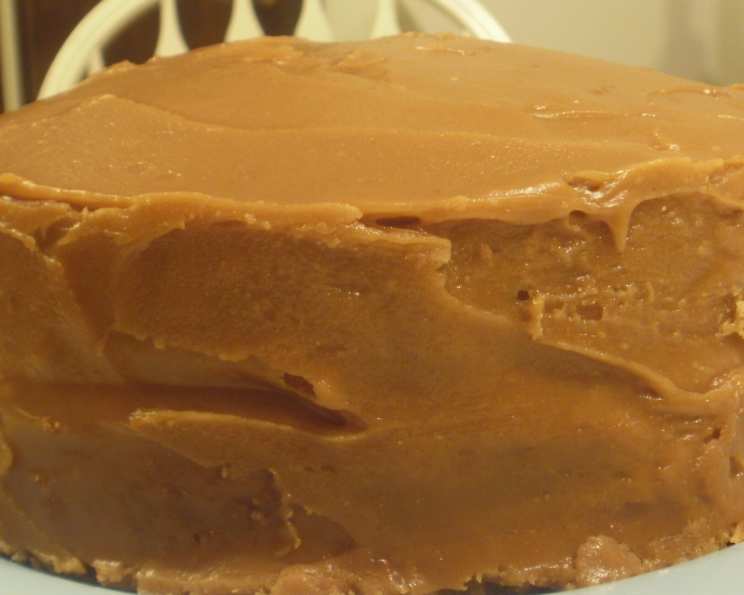
My Favorite Caramel Frosting: A Taste of Nostalgia
I can almost smell it now: Grandma Betty’s kitchen, filled with the warm, comforting aroma of caramel. It always seemed like magic when she transformed simple sugar into that deep, golden, buttery elixir. The best part? Slathering it over a perfectly golden cake. This wasn’t just any frosting; it was a memory, a feeling, a hug from Grandma herself, all wrapped up in a sweet, decadent bite.
Recipe Overview
- Prep Time: 5 minutes
- Cook Time: 20-25 minutes
- Total Time: 30 minutes
- Yields: About 2 1/2 cups
- Dietary Type: Not specified
Ingredients
- 3 cups sugar, divided
- ¾ cup milk
- 1 egg, beaten
- 1 pinch salt
- ½ cup butter, cut into pieces
Equipment Needed
- Heavy saucepan
- Wooden spoon
- Candy thermometer
Instructions
- Begin by preparing the caramel base. Sprinkle ½ cup of sugar into a heavy saucepan. Place the saucepan over medium heat.
- Cook the sugar, stirring constantly with your wooden spoon, until it melts completely and transforms into a light golden-brown syrup. Don’t be alarmed if the sugar initially clumps; this is a normal part of the caramelization process. Just keep stirring patiently, and it will eventually melt.
- In a separate bowl, combine the remaining 2 ½ cups of sugar, milk, beaten egg, and salt. Stir these ingredients together thoroughly until well combined.
- Add the butter pieces to the sugar mixture in the bowl and stir to incorporate.
- Carefully pour the sugar, milk, egg, and butter mixture into the saucepan with the caramelized sugar. Be prepared for the mixture to lump up again when the cold ingredients hit the hot caramel. This is completely normal.
- Continue to cook the mixture over medium heat, stirring frequently with your wooden spoon, ensuring that you scrape the bottom of the pan to prevent scorching.
- Continue cooking, stirring constantly, until the mixture reaches a temperature of 230°F (110°C) on a candy thermometer. This process typically takes about 15-20 minutes, but always rely on the thermometer for accurate results rather than solely on the time.
- Remove the saucepan from the heat and allow the mixture to cool for approximately 5 minutes. This slight cooling period helps the frosting achieve the desired consistency.
- After the cooling period, beat the mixture vigorously with your wooden spoon until it reaches a spreadable consistency. Be mindful that the frosting will cool and thicken relatively quickly at this stage.
- Spread the caramel frosting generously over your cooled cake. Enjoy the rich, homemade flavor.
Expert Tips & Tricks
- Patience is Key: Caramelizing sugar requires patience. Don’t rush the process by turning up the heat too high, as this can lead to burning.
- Use a Heavy-Bottomed Pan: A heavy-bottomed saucepan is crucial for even heat distribution, which prevents hot spots and scorching.
- Wooden Spoon is Your Friend: A wooden spoon is ideal for stirring caramel because it doesn’t conduct heat as readily as a metal spoon, preventing the sugar from crystallizing.
- Thermometer Accuracy: Ensure your candy thermometer is accurate. Test it in boiling water to ensure it reads 212°F (100°C).
- Cooling Control: The 5-minute cooling period is important; don’t skip it. It allows the frosting to thicken slightly before beating.
- Beat Vigorously: The beating process is crucial for achieving the right consistency. Don’t stop beating until the frosting is smooth and spreadable. If you over-beat, it may become grainy.
- Troubleshooting Lumps: If the mixture is too lumpy after adding the milk mixture, reduce the heat slightly and continue stirring until the lumps dissolve.
- Altitude Adjustments: If you live at a high altitude, you may need to adjust the cooking time or temperature slightly. Lower the target temperature by a degree or two for every 1,000 feet above sea level.
Serving & Storage Suggestions
This caramel frosting is best enjoyed on a cake that has completely cooled. It pairs beautifully with vanilla, chocolate, or spice cakes. To elevate the presentation, consider garnishing with a sprinkle of sea salt or chopped pecans.
For storage, leftover frosting can be kept in an airtight container in the refrigerator for up to 3 days. It will harden in the fridge, so allow it to come to room temperature before re-whipping with a spoon or electric mixer to restore its spreadable consistency.
Caramel frosting is not ideal for freezing, as the texture may change upon thawing. It’s best to make it fresh for the best results.
Nutritional Information
| Nutrient | Amount per Serving | % Daily Value |
|---|---|---|
| Calories | 665 kcal | N/A |
| Total Fat | 20.7g | 32% |
| Saturated Fat | 12.8g | 64% |
| Cholesterol | 91.2mg | 30% |
| Sodium | 226.4mg | 9% |
| Total Carbohydrate | 121.8g | 41% |
| Dietary Fiber | 0g | 0% |
| Sugars | 119.8g | N/A |
| Protein | 2.7g | 5% |
Note: Nutritional information is an estimate and may vary based on specific ingredients and portion sizes.
Variations & Substitutions
- Salted Caramel: Add a generous pinch of sea salt to the frosting during the final beating stage for a delightful salted caramel flavor.
- Bourbon Caramel: Stir in a tablespoon of bourbon or other whiskey after removing the frosting from the heat for a boozy twist.
- Spiced Caramel: Add a pinch of cinnamon, nutmeg, or cardamom to the sugar mixture for a warm, spiced flavor profile.
- Nutty Caramel: Stir in chopped pecans, walnuts, or almonds during the final beating stage for added texture and flavor.
- Dairy-Free Option: While the classic recipe relies on milk and butter, you could experiment with substituting these with plant-based alternatives like full-fat coconut milk and vegan butter substitutes. Be aware that this will significantly alter the flavor and texture of the frosting.
FAQs (Frequently Asked Questions)
Q: Why is my caramel frosting grainy?
A: Graininess in caramel frosting is often caused by sugar crystals that haven’t fully dissolved. Ensure you stir constantly and use a heavy-bottomed pan to prevent hot spots. Avoid stirring too vigorously during the initial cooking stages, as this can also promote crystallization.
Q: Can I use a stand mixer instead of a wooden spoon?
A: While a stand mixer can be used for the final beating stage, a wooden spoon is generally preferred for the initial cooking process. The wooden spoon doesn’t conduct heat as readily, which helps prevent the sugar from crystallizing.
Q: My frosting is too thin. How can I thicken it?
A: If your frosting is too thin, return it to the saucepan and cook over low heat, stirring constantly, until it thickens slightly. Be careful not to overcook it, as it can become too thick and hard.
Q: Can I make this frosting ahead of time?
A: Yes, you can make the frosting a day or two in advance. Store it in an airtight container in the refrigerator. Allow it to come to room temperature before re-whipping to restore its spreadable consistency.
Q: What kind of cake goes best with caramel frosting?
A: Caramel frosting is incredibly versatile and pairs well with a variety of cakes, including vanilla, chocolate, spice cake, and even apple cake. The rich, buttery flavor of the caramel complements many different flavors.
Final Thoughts
This caramel frosting isn’t just a topping; it’s an experience. It’s a taste of tradition, a reminder of simpler times, and a testament to the magic that can happen in the kitchen. I encourage you to try this recipe and create your own memories with it. Share your creations with friends and family, and don’t hesitate to experiment with variations to make it your own. Whether you’re a seasoned baker or a novice in the kitchen, this caramel frosting is sure to impress. Happy baking!