
My Favourite Pizza Dough: A Culinary Journey
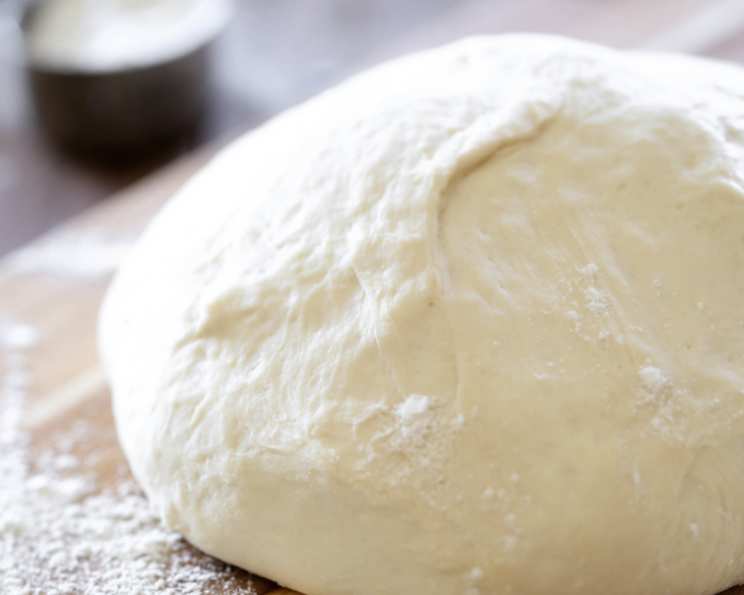
The scent of baking pizza dough, that yeasty, warm fragrance, instantly transports me back to my childhood. Every Friday night was pizza night, a sacred tradition in our family. My mother, a whirlwind in the kitchen, would orchestrate the entire event, her hands expertly kneading the dough, a symphony of flour and anticipation filling the air. This recipe, while not hers exactly, captures the essence of those nights – the crispy yet chewy crust, the endless possibilities of toppings, and the shared joy around a table laden with pizza. This dough forms a crust that is both crunchy & chewy and allows you to make two large thick crust pizzas.
Recipe Overview
- Prep Time: 20 minutes
- Cook Time: 7 minutes
- Total Time: 2 hours 27 minutes (including rising time)
- Servings: 6-8
- Yield: 2-3 pizzas
- Dietary Type: Vegetarian
Ingredients
- 4 ½ cups bread flour
- 1 ½ teaspoons sugar
- 1 ½ teaspoons salt
- 2 ¼ teaspoons instant yeast
- 3 tablespoons olive oil
- 1 ¾ cups warm water (approx. 105 degrees)
Suggested Toppings:
- Pizza sauce
- Fresh basil
- Italian seasoning
- Parmesan cheese (optional)
- Mozzarella cheese, shredded
- Bell pepper
- Mushroom
- Pepperoni
Equipment Needed
- Large mixing bowl
- Whisk
- Dough hook (for stand mixer, optional)
- Large greased bowl
- Plastic wrap
- Pizza pan
- Parchment paper
- Pizza stone (optional)
Instructions
- In a large mixing bowl, combine all the dry ingredients: bread flour, sugar, salt, and instant yeast. Whisk thoroughly to ensure they are evenly distributed. This helps the yeast activate properly and the flavours to meld harmoniously.
- Add the remaining ingredients: olive oil and warm water.
- If using a stand mixer, attach the dough hook. Blend the dough on low speed until everything is well incorporated. If mixing by hand, stir until a shaggy dough forms.
- Whether using a stand mixer or mixing by hand, knead the dough for 5 minutes. With the dough hook, continue kneading on medium speed. If kneading by hand, turn the dough out onto a lightly floured surface and knead vigorously until it becomes smooth and elastic. The dough should be slightly tacky but not sticky.
- Grease a large bowl with olive oil. Shape the dough into a ball and place it in the greased bowl. Grease the top of the dough as well, to prevent it from drying out. This ensures a smooth, supple crust.
- Cover the bowl tightly with plastic wrap. Place the bowl in the refrigerator and let it rise overnight. This slow fermentation process develops a richer, more complex flavour in the dough. Alternatively, at this point, you can freeze the dough, well wrapped, for later use.
- The next day, remove the dough from the refrigerator.
- Divide the dough into 2 or 3 parts, depending on whether you prefer thick or thin crust pizzas.
- Shape each portion into a ball and let them rest for about 2 hours before baking. This allows the gluten to relax, making the dough easier to handle and resulting in a more tender crust.
- Preheat the oven to 500°F (260°C). If using a pizza stone, place it in the oven on the lowest rack prior to preheating. This ensures the stone is thoroughly heated and will deliver a perfectly crisp crust.
- On a lightly floured surface, shape each pizza using your hands or a rolling pin. Aim for a circular or oval shape, depending on your preference.
- Place each shaped pizza on a sheet of parchment paper, then onto a pizza pan.
- Add your preferred pizza sauce. Remember that less is often more; too much sauce can make the crust soggy.
- Sprinkle some Italian seasoning and Parmesan cheese (if using) over the sauce.
- Top with shredded mozzarella cheese and your desired toppings, such as sliced bell peppers, mushrooms, and pepperoni.
- Using the pizza pan, carefully slide the pizza, along with the parchment paper, onto the hot pizza stone (if using). If not using a stone, simply bake the pizza on the pan.
- Bake for approximately 7 minutes, or until the crust is golden brown and the cheese is melted and bubbly. Keep a close eye on the pizza as baking times may vary depending on your oven.
- To remove from the oven, slide the cooked pizza, using the parchment paper, back onto the pizza pan.
- Let cool for several minutes before slicing and serving. This allows the cheese to set slightly, preventing it from sliding off the pizza when cut.
- Enjoy!
Expert Tips & Tricks
- For a truly authentic flavour, use “00” flour, a finely ground Italian flour specifically designed for pizza dough.
- Don’t skip the overnight fermentation! It makes a huge difference in the flavour and texture of the crust.
- If your dough is too sticky, add a tablespoon of flour at a time until it becomes manageable.
- If your oven doesn’t reach 500°F (260°C), bake at the highest temperature it can reach, but increase the baking time accordingly.
- To prevent the parchment paper from burning, trim any excess paper that extends beyond the edge of the pizza pan.
- For a Margarita pizza, place the fresh basil underneath the cheese instead of on top for a much more flavorful result. I also skip the parmesan cheese when I make margarita pizza.
Serving & Storage Suggestions
Serve your homemade pizza immediately while it’s hot and fresh. Garnish with extra fresh basil for a pop of colour and flavour. Leftover pizza can be stored in an airtight container in the refrigerator for up to 3 days. Reheat in a preheated oven at 350°F (175°C) for best results, or microwave for a quick snack. For longer storage, wrap individual slices tightly in plastic wrap and freeze for up to 2 months. Reheat frozen pizza directly in the oven or toaster oven until heated through.
Nutritional Information
| Nutrient | Amount per Serving | % Daily Value |
|---|---|---|
| Calories | 410 kcal | N/A |
| Total Fat | 7.8g | 11% |
| Saturated Fat | 1.1g | 5% |
| Cholesterol | 0mg | 0% |
| Sodium | 586mg | 24% |
| Total Carbohydrate | 73.2g | 24% |
| Dietary Fiber | 2.9g | 11% |
| Sugars | 1.3g | N/A |
| Protein | 10.3g | 20% |
Note: Nutritional information is an estimate and may vary depending on specific ingredients and toppings used.
Variations & Substitutions
- Gluten-free: Use a gluten-free bread flour blend instead of regular bread flour. You may need to adjust the amount of water slightly.
- Whole wheat: Substitute up to half of the bread flour with whole wheat flour for a nuttier flavour.
- Vegan: Omit the Parmesan cheese and use a plant-based mozzarella alternative.
- Herb-infused: Add a tablespoon of dried herbs, such as oregano, thyme, or rosemary, to the dough for extra flavour.
- Spicy: Add a pinch of red pepper flakes to the dough or the sauce for a kick.
FAQs (Frequently Asked Questions)
Q: Why is my pizza dough too sticky?
A: This could be due to the humidity in your kitchen or variations in flour. Gradually add a tablespoon of flour at a time until the dough becomes manageable.
Q: Can I use active dry yeast instead of instant yeast?
A: Yes, but you’ll need to activate the active dry yeast in warm water with a pinch of sugar for about 5-10 minutes before adding it to the flour.
Q: How do I prevent my pizza crust from being soggy?
A: Make sure your oven is hot enough and don’t overload the pizza with sauce or toppings. Using a pizza stone also helps create a crisp crust.
Q: Can I make the dough ahead of time and freeze it?
A: Absolutely! Wrap the dough tightly in plastic wrap and freeze for up to 2 months. Thaw it in the refrigerator overnight before using.
Q: What if I don’t have a pizza stone?
A: No problem! You can bake the pizza directly on a pizza pan or a baking sheet lined with parchment paper.
Final Thoughts
This pizza dough recipe is more than just a set of instructions; it’s an invitation to create memories, experiment with flavours, and share the joy of homemade pizza with loved ones. Don’t be afraid to customize the toppings to your liking, and most importantly, have fun in the kitchen! I encourage you to try this recipe and share your creations and feedback with me. Pair it with a crisp salad and your favourite beverage for a complete and satisfying meal. Buon appetito!