
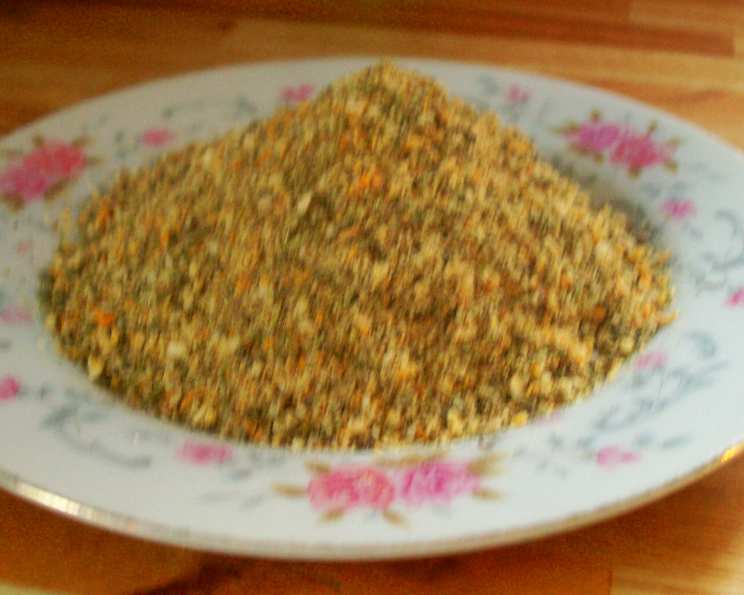
My Own Za’atar: A Flavorful Journey
My earliest memories of za’atar are intertwined with the scent of my grandmother’s kitchen. She always had a small bowl of it on the counter, ready to be sprinkled on fresh labneh, stirred into olive oil for dipping bread, or even just enjoyed straight from the spoon. It was a taste of home, a connection to our heritage, and a reminder that even the simplest ingredients could create something extraordinary. Though she always had her own blend, she would never let me in on her secrets. After searching far and wide for a similar flavor, I decided to create my own. While I couldn’t find the exact sumac that made hers so special, I found websites that recommended substituting lemon zest. This is what I decided on after looking at many recipes, eventually landing on my own special combination.
Recipe Overview
- Prep Time: 10 minutes
- Cook Time: 0 minutes
- Total Time: 10 minutes
- Yields: 1/3 cup
- Dietary Type: Vegan, Gluten-Free, Dairy-Free, Paleo, Keto
Ingredients
- 3 tablespoons toasted sesame seeds
- 2 tablespoons thyme
- 1 tablespoon marjoram
- ½ – 1 tablespoon finely grated lemon zest
- 1 teaspoon kosher salt
Equipment Needed
- Mortar and pestle
- Small mixing bowl
- Airtight jar for storage
Instructions
- Begin by grinding the toasted sesame seeds using a mortar and pestle. This process releases their oils and enhances their nutty flavor. Don’t grind them into a paste; you want a slightly coarse texture.
- In a small bowl, combine the ground sesame seeds, thyme, marjoram, finely grated lemon zest, and kosher salt.
- Mix all the ingredients thoroughly until well combined. Be sure to break up any clumps of herbs or lemon zest.
- Store your homemade za’atar in a tightly capped jar in the refrigerator to preserve its freshness and aroma.
Expert Tips & Tricks
- Toasting the sesame seeds is crucial for bringing out their flavor. Toast them in a dry pan over medium heat, stirring frequently, until they are lightly golden and fragrant. Watch them closely as they can burn easily.
- The amount of lemon zest can be adjusted to your preference. Start with ½ tablespoon and add more if you desire a more pronounced citrusy note.
- For a more complex flavor, consider adding a pinch of dried oregano or cumin.
- If you prefer a smoother texture, you can use a spice grinder to further grind the za’atar after mixing the ingredients. However, be careful not to over-grind, as this can release too much oil from the sesame seeds.
- If you want to make a larger batch, simply increase the quantities of all the ingredients proportionally.
- If you happen to have access to sumac, substitute the lemon zest for a more authentic flavor.
Serving & Storage Suggestions
Za’atar is incredibly versatile. It can be sprinkled over hummus, yogurt, or avocado toast. It’s also delicious when mixed with olive oil and used as a dip for bread or vegetables. For a simple and satisfying meal, try roasting vegetables like carrots, potatoes, or broccoli with za’atar and olive oil. It can also be sprinkled over meats like chicken or lamb before roasting.
Store your za’atar in an airtight container in the refrigerator. Properly stored, it will maintain its flavor for up to 3 months. While refrigeration is ideal for long-term storage, za’atar can be kept at room temperature for a week or two without significant loss of flavor.
Nutritional Information
| Nutrient | Amount per Serving | % Daily Value |
|---|---|---|
| Calories | 65 kcal | 3% |
| Total Fat | 5g | 7% |
| Saturated Fat | 0.7g | 4% |
| Cholesterol | 0mg | 0% |
| Sodium | 150mg | 7% |
| Total Carbohydrate | 3g | 1% |
| Dietary Fiber | 1g | 4% |
| Sugars | 0g | 0% |
| Protein | 2g | 4% |
Note: Nutritional information is an estimate and may vary based on specific ingredients and portion sizes.
Variations & Substitutions
- Spice it up: Add a pinch of red pepper flakes or a dash of cayenne pepper for a spicy kick.
- Herbal variations: Experiment with different herbs, such as savory, hyssop, or dill, to create your own unique za’atar blend.
- Nut-free: For a nut-free version, omit the sesame seeds and substitute with sunflower seeds or pumpkin seeds.
- Sumac substitute: While lemon zest is a good substitute for sumac, you can also try using a small amount of dried cranberries or pomegranate molasses for a similar tartness.
- Salt-free: For a salt-free version, simply omit the salt or use a salt substitute.
FAQs (Frequently Asked Questions)
Q: Why is it important to toast the sesame seeds?
A: Toasting the sesame seeds enhances their nutty flavor and makes them more aromatic, adding depth to the za’atar blend.
Q: Can I use fresh herbs instead of dried?
A: While fresh herbs can be used, dried herbs are preferred in za’atar because they have a more concentrated flavor and a longer shelf life.
Q: How finely should I grind the sesame seeds?
A: You want a slightly coarse texture, not a fine powder. Grinding them too much can release too much oil and make the za’atar clumpy.
Q: What is the best way to store za’atar?
A: Store za’atar in an airtight container in the refrigerator to preserve its freshness and aroma for up to 3 months.
Q: Can I use za’atar as a dry rub for meat?
A: Absolutely! Za’atar is a delicious dry rub for chicken, lamb, or fish. Simply rub it onto the meat before grilling, roasting, or pan-frying.
Final Thoughts
Creating your own za’atar is a simple yet rewarding experience that allows you to customize the flavors to your liking. Don’t be afraid to experiment with different herbs and spices to create a blend that perfectly suits your palate. I hope this recipe inspires you to explore the world of Middle Eastern flavors and to share the joy of homemade za’atar with your friends and family. Feel free to leave a comment below sharing your experiences with this recipe and any variations you may have tried. Enjoy!