
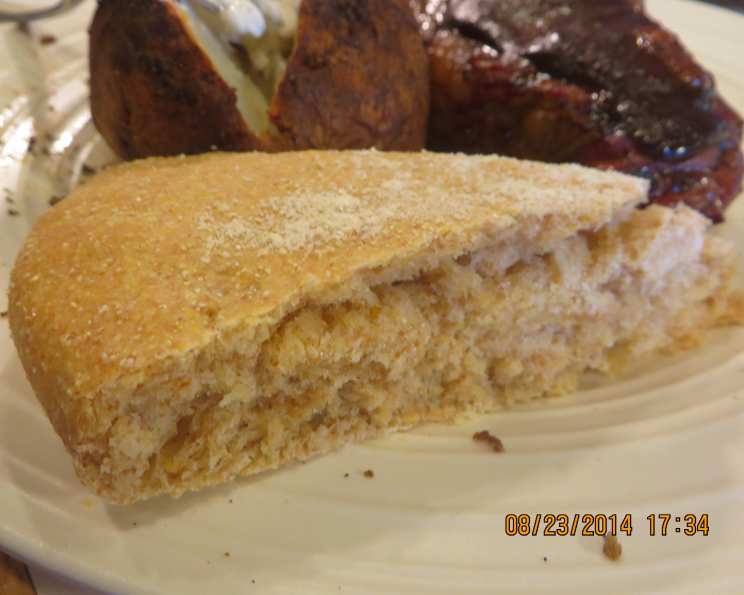
My Rough Khoubz: A Taste of Moroccan Home
The aroma of baking bread is a universal comfort, but there’s something particularly evocative about the scent of khoubz filling the air. I remember visiting a small village in the Atlas Mountains, and the entire community seemed to orbit around the communal oven. The women, their faces etched with wisdom, would emerge, laughing and gossiping, carrying stacks of this flat, golden bread, its rustic charm a direct reflection of the land and its people. It wasn’t just food; it was a symbol of connection, hospitality, and the heart of Moroccan life.
Recipe Overview
- Prep Time: 30 minutes
- Cook Time: 12-18 minutes
- Total Time: 42 minutes
- Servings: 8-16
- Yield: 2 loaves
- Dietary Type: Vegan
Ingredients
- 3 cups whole wheat flour
- 2 cups unbleached white flour (or 2 cups barley flour)
- 3 1/2 tablespoons dry active yeast
- 2/3 cup cornmeal
- Extra cornmeal, for dusting top and placing on tray under bread
- 2 teaspoons sugar
- 2 1/2 cups water, tepid (110-115 degrees F)
- 2 tablespoons vegetable oil
- 2 teaspoons salt
Equipment Needed
- Large bowl
- Baking sheet
- Sharp knife or thumb
- Warm place for rising
Instructions
-
Preheat your oven to 350°F (175°C). It’s crucial to have a consistent temperature for even baking.
-
In a bowl, combine 1/2 cup of the flour (use either whole wheat or white, doesn’t matter at this stage), the sugar, salt, yeast, and tepid water. The water temperature is critical; too hot, and you’ll kill the yeast; too cold, and it won’t activate properly. Aim for 110-115°F (43-46°C) for optimal results. Cover the bowl and let it stand in a warm place until bubbly, about 5-10 minutes. This step ensures your yeast is alive and ready to leaven the bread.
-
In a large bowl, combine the remaining flour and the cornmeal. Add the oil. This creates a well for the wet ingredients.
-
Pour the yeast mixture into the flour mixture. Mix well with your hands to form a firm dough. The dough should be slightly sticky but manageable.
-
Knead the dough on a lightly floured surface until smooth and elastic, about 5-7 minutes. Kneading develops the gluten, which gives the bread its structure.
-
Place the dough in a lightly oiled bowl, turning to coat. Cover the bowl and let it stand in a warm place for 20 minutes. This first rise allows the dough to relax and develop flavor.
-
Shape the dough into 2 rounds. The size of the rounds depends on your preference; Moroccan bread comes in various sizes. Flatten each round as much as possible, pulling, stretching, and flattening the dough to no more than 1/2 inch (1.25 cm) thick. This creates the characteristic flat shape of khoubz.
-
Score the top of each round with a sharp knife, making an X shape about 1/8 inch (3mm) deep. Alternatively, use your thumb to make a dent in the center, nearly deep enough to create a hole, but not quite all the way through. This prevents the bread from puffing up too much during baking and creates a beautiful rustic appearance.
-
Place the rounds on a baking sheet dusted with cornmeal. Dust the tops of the rounds with cornmeal as well, gently pushing it into the dough a bit. The cornmeal prevents sticking and adds a slightly gritty texture to the crust.
-
Cover the rounds and let them stand until nearly doubled in size. Because the bread is so flat and the amount of yeast used, it may not exactly double, and that’s perfectly fine. This second rise allows the dough to further develop flavor and texture.
-
Bake for 12-18 minutes, or until golden brown. Keep a close eye on the bread; baking times can vary depending on your oven. If the bottom is browning too quickly, you can move the baking sheet to a higher rack.
Expert Tips & Tricks
-
For a more authentic flavor, consider using a combination of durum wheat flour and semolina flour along with the whole wheat and white flour.
-
If your dough is too dense, try adding a bit more water, one tablespoon at a time, until it reaches the desired consistency. Alternatively, you can divide the dough into three portions instead of two for thinner loaves.
-
Don’t be afraid to experiment with different scoring patterns. Moroccan bread often features intricate geometric designs.
-
To achieve a crispier crust, you can lightly mist the oven with water a few times during the first few minutes of baking. Be careful when opening the oven with the hot steam escaping.
Serving & Storage Suggestions
Khoubz is best served warm, straight from the oven. It’s perfect for soaking up flavorful sauces and stews, or for making sandwiches. In Morocco, it’s often used as a utensil, scooping up food from communal platters.
Leftover khoubz can be stored at room temperature in an airtight container for up to 2 days. For longer storage, freeze the bread. To freeze, wrap the bread tightly in plastic wrap and then place it in a freezer bag. It can be frozen for up to 3 months. To defrost, simply leave it at room temperature for a few hours or warm it in a low oven.
Nutritional Information
| Nutrient | Amount per Serving | % Daily Value |
|---|---|---|
| Calories | 354.8 kcal | N/A |
| Calories from Fat | N/A | N/A |
| Total Fat | 5.6 g | 8% |
| Saturated Fat | 0.8 g | 3% |
| Cholesterol | 0 mg | 0% |
| Sodium | 591.4 mg | 24% |
| Total Carbohydrate | 67.3 g | 22% |
| Dietary Fiber | 7.8 g | 31% |
| Sugars | 1.4 g | 5% |
| Protein | 12.1 g | 24% |
Note: Nutritional information is an estimate and may vary based on specific ingredients and portion sizes.
Variations & Substitutions
-
Gluten-Free Khoubz: Substitute the wheat flours with a blend of gluten-free flours, such as rice flour, tapioca starch, and potato starch. You may need to add a binder, such as xanthan gum, to help hold the dough together.
-
Spiced Khoubz: Add a teaspoon of ground cumin, coriander, or paprika to the dough for a flavorful twist.
-
Herb Khoubz: Mix in fresh herbs, such as rosemary, thyme, or oregano, for an aromatic bread.
-
Sweet Khoubz: Add a tablespoon of honey or molasses to the dough for a slightly sweet bread, perfect for breakfast.
-
Barley Flour: If you want to use barley flour, substitute it in equal proportions for the unbleached white flour.
FAQs (Frequently Asked Questions)
Q: Can I use instant yeast instead of active dry yeast?
A: Yes, you can. Use the same amount, but you can skip the initial proofing step and add it directly to the dry ingredients.
Q: My dough is too sticky. What should I do?
A: Add a little more flour, one tablespoon at a time, until the dough is manageable. Be careful not to add too much, or the bread will be dry.
Q: Can I bake this bread on a pizza stone?
A: Yes, a pizza stone will help create a crispier crust. Preheat the stone in the oven before placing the bread on it.
Q: How do I know when the bread is done?
A: The bread is done when it’s golden brown and sounds hollow when tapped on the bottom.
Q: Can I make the dough ahead of time and bake it later?
A: Yes, you can refrigerate the dough after the first rise. Punch it down and shape it before refrigerating. Allow it to come to room temperature and rise again before baking.
Final Thoughts
This recipe is more than just a set of instructions; it’s an invitation to experience a piece of Moroccan culture. Embrace the imperfections, the slight variations in each loaf, and the simple joy of creating something delicious with your own hands. I encourage you to try this recipe, share it with your loved ones, and perhaps pair it with a tagine or a bowl of harira soup. Your kitchen will be filled with the aroma of Morocco, and you’ll be transported to a land of warmth, hospitality, and unforgettable flavors.