
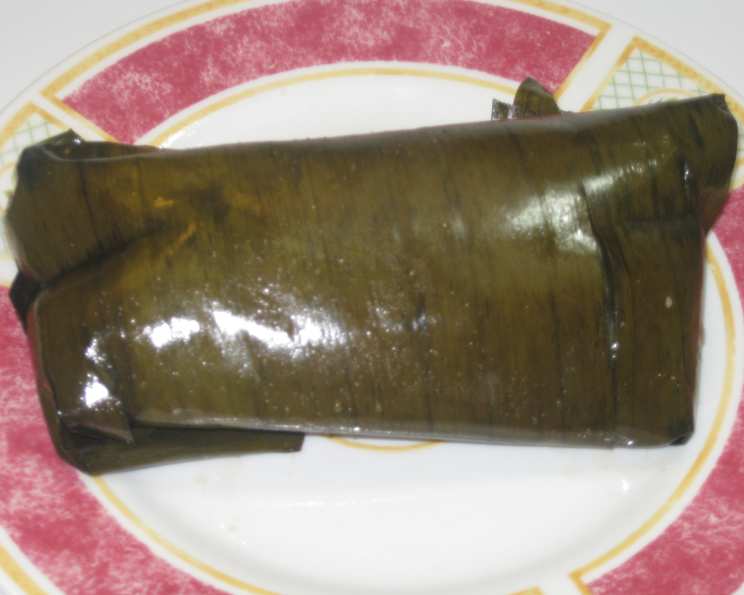
Unwrapping Memories: A Culinary Journey with Nacatamales
The scent alone is enough to transport me back to my grandmother’s kitchen. It was always a flurry of activity, especially in December. Banana leaves, softened and glistening, lay spread across the table like verdant canvases. Laughter mingled with the rhythmic slap of masa being shaped, and the savory aroma of pork simmering in spices filled every corner of the house. Nacatamales weren’t just a dish; they were a symbol of family, tradition, and the warmth of the holiday season. Every bite is a delicious reminder of home.
Recipe Overview
- Prep Time: 2 hours
- Cook Time: 3 hours
- Total Time: 27 hours (includes resting/marinating)
- Servings: 25
- Yields: 25 tamales
- Dietary Type: Not specified (can be adapted for vegetarian)
Ingredients
- 6 cups masa harina for tamales (Preffer Maseca)
- 2 cups lard or 2 cups shortening
- 1 tablespoon salt (and extra for seasoning)
- Pepper (to season)
- 2-3 tablespoons powder chicken bouillon (preffer knorr)
- ¾ cup sour orange juice (½ for masa and ¼ for meat, preffer Goya marinade)
- 8-10 cups chicken stock or 8-10 cups broth, UNSALTED
- 3 lbs pork butt, cubed into stew meat sizes
- Paprika (to season)
- Cumin (to season)
- 1-2 tablespoons chipotle salsa
- ¾ cup long-grain white rice, soaked in ½ cup warm water for 30 minutes, do not drain water
- 3 large white potatoes, peeled, sliced into ¼-inch small cubes (the size of a marble)
- 1 cup olive (or about 25 of them)
- 1 (16 ounce) can green peas or (16 ounce) can garbanzo beans
- ½ cup whole cilantro leaf
- 2 tablespoons cooking oil
- 12 pieces banana leaves, washed, hard spine removed and cut into 10×10-inch rectangles
- 12 pieces aluminum foil, cut into 10×10-inch rectangles
Equipment Needed
- Electric mixer
- Large bowl
- Large pot
- Large frying pan
- Microwave-safe bowl
- Tamalera or large pot with rack
Instructions
- Season the pork: Season the pork with salt, pepper, cumin, and paprika to taste. Add 1 to 2 tablespoons of the chipotle salsa (depending on how hot you like it) to the pork. Place in a large bowl and pour ¼ cup sour orange juice over pork. Cover and let marinate for about 30 minutes in refrigerator.
- Prepare the Masa (Part 1): Place the masa harina, lard, salt, and 2 tablespoons of the chicken knorr in the bowl of an electric mixer. Blend on a low speed to incorporate the fat into the masa harina and give it a mealy texture. You may have to do this and the next step in two batches if your mixer bowl is not large enough to hold all the ingredients without overflowing.
- Prepare the Masa (Part 2): With the mixer still on low speed, add remaining ½ cup of the sour orange juice and enough chicken stock to make a soft, moist dough (about 7 cups added intermitently between mixing). It should be almost like the texture of mashed potatoes but thicker. Increase the mixer speed to medium-high and beat for 2-3 minutes to incorporate some air into the masa and make it fluffier. Cover the bowl and set the masa aside to rest for at least 30 minutes.
- Cook the Masa: After the resting period, place the masa in a large pot and on medium heat, stir the masa slowly and constantly for about 20 mintues adding 2 more cups of water or chichen stock (½ cup every 5 minutes for the 20 mintues of stirring). Remove from heat and set aside.
- Brown the Pork: Drain the marinade from the pork and set aside. Heat oil in large frying pan on high heat. Once it is heated, add the cubed pork and brown for about 3 minutes (being careful of splattering oil). Set aside and let cool for about 5 minutes Reserve pan juices from pork in another bowl.
- Partially Cook the Rice: Place the rice (with the water still in it) in a microwave safe bowl and cook for about 2 minutes. The rice will be semi cooked. Set aside.
- Assemble the Ingredients: Assemble all of your filling ingredients and assembly items on a large table or work surface. Gather family and friends to help in an assembly line.
- Assemble the Tamales: Lay out a banana leaf square with the smooth side up. Place 1 cup of the masa in the middle of the banana leaf and, using wetted hands, spread it out a little. Put about 4 pieces of pork on top of the masa and sprinkle 1 or 2 tablespoons of rice over the pork. Lay 5 or 6 pieces of potato on top of the pork, add 1 table spoon green beans/garganzo beans, add 1 olive and add a little bit of the pan juices from the pork. Top off with 1 or 2 cilantro leaves.
- Wrap the Tamales: Fold the top edge of the banana leaf down over the filling. Bring the bottom edge of the banana leaf up over this. Then fold in both sides to make a rectangular package. Be careful not to wrap it too tightly or the filling will squeeze out. Flip the package over so it is seam side down.
- Wrap in Foil: Set the tamal in the middle of an aluminum foil square and wrap it up tightly the same way you wrapped up the banana leaf. Set aside and repeat with the remaining ingredients to make 10 to 12 nacatamales in total.
- Steam the Tamales: Add 2 or 3 inches of water to a tamalera or pot large enough to hold all the nacatamales. (You may have to use two pots if you don’t have one big enough to hold the nacatamales in one batch.) Place a rack in the bottom or toss in enough wadded up aluminum foil to hold the nacatamales mostly out of the water. Add the nacatamales and bring to a boil over high heat. Cover tightly, reduce heat to low and steam for about 3 hours. Add more water as needed to keep the pot from boiling dry.
- Rest the Tamales: Once cooked, drain the water and let tamales rest for atleast 2 hours in the pot so that the masa can become firm.
- Serve: Remove the nacatamales from the pot, take off their aluminum foil covering and serve warm. Each diner opens the banana leaf on his or her own nacatamal before eating.
Expert Tips & Tricks
- Masa Consistency is Key: The masa should be soft and moist, similar to mashed potatoes, but slightly thicker. Add chicken stock gradually to achieve the right consistency. Don’t be afraid to adjust the amount of liquid.
- Banana Leaf Preparation: Thoroughly wash the banana leaves to remove any dirt or residue. Passing them over an open flame or briefly steaming them will make them more pliable and easier to work with.
- Don’t Overfill: Be careful not to overfill the tamales, as this can cause them to burst during steaming.
- Test for Doneness: To check if the tamales are done, remove one from the pot and unwrap it. The masa should be firm and pull away easily from the banana leaf. If it’s still sticky, continue steaming for a longer time.
- Flavor Boost: Consider adding a bay leaf or a sprig of thyme to the steaming water for an extra layer of flavor.
- Vegetarian Option: Subsitute the chicken broth for veggie broth, the lard for veggie shortening, omit the meat and add sliced zucchini/spinach/sauted poblano peppers with onions or anything else you wish.
Serving & Storage Suggestions
Nacatamales are best served warm, straight from the pot. Let each person unwrap their own tamale to enjoy the full aromatic experience. They can be served as a main course for breakfast, lunch, or dinner.
Storage: Leftover nacatamales can be stored in the refrigerator for up to 3 days. Wrap them tightly in foil or place them in an airtight container. For longer storage, freeze them for up to 2 months. To reheat, steam them again until heated through, or microwave them in short bursts, wrapped in a damp paper towel.
Nutritional Information
| Nutrient | Amount per Serving | % Daily Value |
|---|---|---|
| Calories | 368 kcal | N/A |
| Calories from Fat | 249 g | 68% |
| Total Fat | 27.7 g | 42% |
| Saturated Fat | 9.9 g | 49% |
| Cholesterol | 53.8 mg | 17% |
| Sodium | 518.7 mg | 21% |
| Total Carbohydrate | 14.9 g | 4% |
| Dietary Fiber | 1.6 g | 6% |
| Sugars | 3.1 g | 12% |
| Protein | 14 g | 28% |
Variations & Substitutions
- Spicy Nacatamales: Add more chipotle salsa or a pinch of cayenne pepper to the pork marinade for a spicier kick.
- Chicken Nacatamales: Substitute the pork with shredded chicken for a lighter version.
- Vegetarian Nacatamales: Omit the meat and add a variety of vegetables, such as zucchini, spinach, bell peppers, and mushrooms.
- Regional Variations: Experiment with different types of beans, such as black beans or red beans, for a unique regional flavor.
- Sweet Nacatamales: Add a touch of brown sugar or honey to the masa for a sweeter version.
FAQs (Frequently Asked Questions)
Q: What makes these nacatamales different from other tamales?
A: The use of banana leaves for wrapping, the addition of sour orange juice, and the specific combination of ingredients in the filling gives these nacatamales a unique flavor profile.
Q: Can I make these ahead of time?
A: Yes, you can assemble the tamales ahead of time and store them in the refrigerator for up to 24 hours before steaming.
Q: How do I prevent the tamales from drying out during steaming?
A: Make sure the pot is tightly covered and add more water as needed to prevent it from boiling dry.
Q: Can I use frozen banana leaves?
A: Yes, frozen banana leaves can be used. Thaw them completely before using.
Q: How do I know when the tamales are done?
A: The masa should be firm and pull away easily from the banana leaf. If it’s still sticky, continue steaming for a longer time.
Final Thoughts
Making nacatamales is a labor of love, but the end result is well worth the effort. Gather your loved ones, put on some music, and enjoy the process of creating these delicious and traditional treats. Don’t be afraid to experiment with different variations and make them your own. And most importantly, share them with family and friends, and savor the warmth and connection that these nacatamales bring. I hope this recipe brings your family as much joy as it has brought mine for generations.