
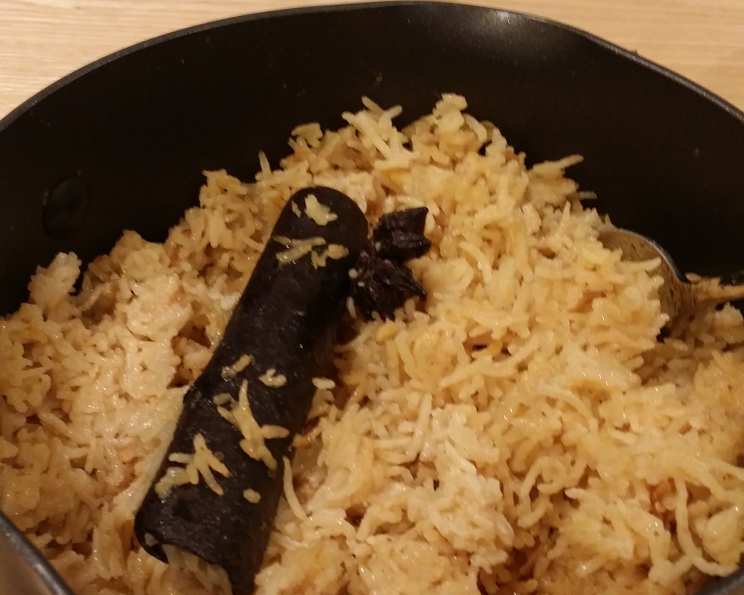
Nasi Minyak: Aromatic Malaysian Oil Rice
The first time I tasted Nasi Minyak was at a friend’s wedding in Kuala Lumpur. The vibrant colours, the fragrant steam rising from the rice, and the rich aroma of spices filled the air. It wasn’t just a side dish; it was a celebration in itself. Each grain, glistening with ghee, was infused with the warmth of shallots, garlic, and exotic spices. It perfectly complemented the spicy chicken curry served alongside, and I knew I had to learn how to recreate this magic in my own kitchen.
Recipe Overview
- Prep Time: 35 minutes
- Cook Time: 20 minutes
- Total Time: 55 minutes
- Servings: 4-6
- Dietary Type: Vegetarian (can be veganized, see variations)
Ingredients
- 3 cups basmati rice
- 2 tablespoons ghee
- 3 shallots
- 2 garlic cloves
- ½ inch ginger
- ½ inch cinnamon stick
- 1 piece star anise
- 3 pieces cloves
- ¼ cup evaporated milk
- Salt to taste
Equipment Needed
- Rice cooker or large pot with a tight-fitting lid
- Mortar and pestle (optional, for pounding aromatics)
- Measuring cups and spoons
Instructions
-
Begin by washing the basmati rice thoroughly under cold running water until the water runs clear. This removes excess starch and helps prevent the rice from becoming sticky.
-
Soak the washed rice in water for at least 30 minutes. This step is crucial for achieving a fluffy and evenly cooked result. Soaking allows the grains to absorb moisture, which expands them and promotes even cooking.
-
While the rice is soaking, prepare the aromatics. Peel and roughly chop the shallots, garlic cloves, and ginger. Traditionally, these ingredients are pounded using a mortar and pestle to release their essential oils and enhance their flavour. However, you can also finely mince them with a knife or use a small food processor for convenience.
-
Heat the ghee in the rice cooker (or a large pot) over medium heat. The ghee adds a rich, nutty flavour to the rice, but you can substitute with vegetable oil for a lighter flavour profile, or coconut oil for a vegan version.
-
Add the pounded (or minced) shallots, garlic, and ginger to the heated ghee. Fry until they are fragrant and lightly golden brown, about 2-3 minutes. Be careful not to burn them, as this will impart a bitter taste to the rice.
-
Add the cinnamon stick, star anise, and cloves to the pot. These spices infuse the ghee with a warm, aromatic flavour. Fry for another minute until fragrant, stirring constantly.
-
Pour in 4 ½ cups of water (the rice to water ratio is 1:1.5), the evaporated milk, and salt to taste. Bring the mixture to a boil. Adjust the salt according to your preference. Remember that the rice will absorb some of the salt during cooking.
-
Drain the soaked basmati rice and gently add it to the boiling mixture.
-
If using a rice cooker, close the lid and cook the rice according to the manufacturer’s instructions for white rice.
-
If using a pot, bring the mixture back to a gentle simmer, then reduce the heat to low, cover tightly, and cook for about 15-20 minutes, or until all the water has been absorbed and the rice is cooked through.
-
Once the rice is cooked, let it rest for 5-10 minutes with the lid on. This allows the steam to redistribute evenly, resulting in fluffier rice.
-
Gently fluff the rice with a fork before serving. Be careful not to over-stir, as this can break the rice grains.
Expert Tips & Tricks
- Ghee is Key: While you can use other oils, ghee really brings out the authentic flavour of Nasi Minyak. The nutty, almost caramel-like notes of ghee complement the spices beautifully.
- Don’t Skip the Soaking: Soaking the rice is crucial for achieving that perfect, fluffy texture. It prevents the rice from becoming mushy and ensures even cooking.
- Spice Level Adjustment: Feel free to adjust the amount of spices to your liking. If you prefer a milder flavour, reduce the number of cloves or the size of the cinnamon stick. For a spicier version, add a small piece of dried chili to the frying aromatics.
- Rice Cooker vs. Stovetop: While a rice cooker is convenient, cooking Nasi Minyak on the stovetop allows for more control over the cooking process. You can adjust the heat as needed to prevent the rice from burning.
- Resting Time is Important: Allowing the rice to rest after cooking is essential for achieving that perfect, fluffy texture. Don’t be tempted to open the lid immediately after the cooking cycle is complete.
Serving & Storage Suggestions
Nasi Minyak is traditionally served with rich, flavourful dishes such as curries, rendang, or spicy fried chicken. It also pairs well with grilled meats or vegetables. Garnish with fresh coriander leaves or fried shallots for added visual appeal and flavour.
Leftover Nasi Minyak can be stored in an airtight container in the refrigerator for up to 3 days. To reheat, microwave on medium power for 1-2 minutes, or steam over low heat until warmed through. Add a tablespoon or two of water to the rice before reheating to prevent it from drying out. Freezing is not recommended as it can alter the texture of the rice.
Nutritional Information
(Estimated values per serving, based on 6 servings)
| Nutrient | Amount per Serving | % Daily Value |
|---|---|---|
| Calories | 450 kcal | 23% |
| Total Fat | 15g | 23% |
| Saturated Fat | 9g | 45% |
| Cholesterol | 25mg | 8% |
| Sodium | 50mg | 2% |
| Total Carbohydrate | 70g | 23% |
| Dietary Fiber | 3g | 12% |
| Sugars | 2g | 4% |
| Protein | 8g | 16% |
Variations & Substitutions
- Vegan Nasi Minyak: Substitute the ghee with vegetable oil or coconut oil and replace the evaporated milk with coconut milk or almond milk.
- Nasi Minyak with Vegetables: Add diced carrots, peas, or bell peppers to the rice during the last 5 minutes of cooking for added flavour and nutrition.
- Nasi Minyak with Nuts and Raisins: Toast slivered almonds or cashew nuts and plump raisins in ghee before adding them to the cooked rice for a festive touch.
- Saffron Nasi Minyak: Infuse the rice with saffron threads for a beautiful golden colour and delicate flavour. Soak a pinch of saffron threads in a tablespoon of warm water for 30 minutes, then add the saffron-infused water to the rice cooker along with the water and evaporated milk.
- Pandan Nasi Minyak: Tie a few pandan leaves into a knot and add it to the rice cooker during the cooking process. The pandan leaves will impart a fragrant aroma to the rice.
FAQs (Frequently Asked Questions)
Q: Can I use regular long-grain rice instead of basmati rice?
A: While you can use other types of rice, basmati rice is recommended for its delicate flavour and fluffy texture. Long-grain rice may require slightly different cooking times and water ratios.
Q: How do I prevent the rice from sticking to the bottom of the pot?
A: Ensure the heat is low and consistent, and avoid stirring the rice during cooking. Using a heavy-bottomed pot can also help prevent sticking.
Q: Can I make Nasi Minyak ahead of time?
A: Yes, you can cook Nasi Minyak a few hours in advance and keep it warm in a rice cooker or covered in a warm oven.
Q: What is ghee, and where can I find it?
A: Ghee is clarified butter, traditionally used in Indian and Southeast Asian cuisine. It has a rich, nutty flavour and a high smoke point. You can find ghee at most Asian grocery stores or online.
Q: Can I add other spices to Nasi Minyak?
A: Absolutely! Feel free to experiment with other spices such as cardamom, cumin, or coriander seeds to create your own unique flavour profile.
Final Thoughts
Nasi Minyak is more than just a dish; it’s a culinary journey that transports you to the vibrant streets of Malaysia. With its fragrant aroma, delicate flavour, and festive appeal, it’s the perfect accompaniment to any special occasion. So, gather your ingredients, follow the steps, and embark on this culinary adventure. I encourage you to try this recipe and share your feedback. Pair it with a spicy chicken curry or a flavourful rendang for a truly unforgettable meal. Selamat makan! (Happy eating!)