
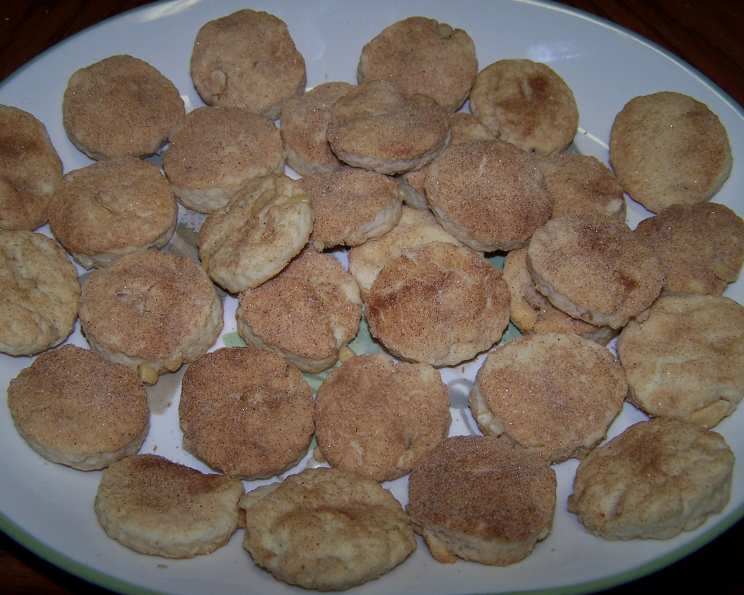
Native American Feast Day Cookies: A Taste of Tradition
The aroma of anise and cinnamon always takes me back to Grandma’s kitchen. It wasn’t just the smell of baking; it was the scent of connection, of stories whispered across generations. These Native American Feast Day Cookies, with their humble ingredients and comforting flavors, were more than just dessert. They were edible history, a sweet reminder of resilience and celebration that filled our hearts as much as our bellies during every gathering. Each bite was a little piece of home, a taste of heritage.
Recipe Overview
- Prep Time: 20 minutes
- Cook Time: 15 minutes
- Total Time: 35 minutes
- Yields: 24-36 cookies
- Dietary Type: Not specified; contains gluten, dairy (from lard), and eggs.
Ingredients
- 2/3 cup sugar, plus
- 1/4 cup sugar
- 2/3 cup lard or 2/3 cup vegetable shortening
- 1 egg
- 2 cups unbleached flour, sifted
- 4 1/2 teaspoons baking powder
- 1/2 teaspoon vanilla extract
- 1/2 teaspoon anise seed
- 1/3 cup milk
- 1/2 cup pine nuts, chopped
- 1 teaspoon ground cinnamon
Equipment Needed
- Mixing bowl
- Measuring cups and spoons
- Sifter
- Lightly floured board
- Cookie cutters (2-inch)
- Baking sheet
- Cooling rack
Instructions
- Preheat your oven to 350º F (175°C). This is a crucial first step, ensuring even baking.
- In a mixing bowl, cream together 2/3 cup of sugar and the lard (or vegetable shortening). Use a mixer for a smoother consistency, or a sturdy spoon if you prefer. The mixture should be light and fluffy.
- Add the egg and blend thoroughly. Make sure the egg is fully incorporated to prevent streaks in the dough.
- In a separate bowl, whisk together the flour and baking powder. This will evenly distribute the baking powder and prevent lumps in the dough.
- Gradually stir the dry ingredients into the wet ingredients, along with the vanilla extract and anise seed, blending thoroughly.
- Gradually add the milk until a stiff dough is formed. Be careful not to add too much milk at once, as the dough should hold its shape.
- Mix in the pine nuts, ensuring they are evenly distributed throughout the dough.
- Roll the dough out on a lightly floured board to 1/2 inch thickness. Keep the surface lightly floured to prevent sticking.
- Cut into 2-inch cookies with a cookie cutter. You can use any shape you like, but traditionally, simple rounds or stars are common.
- In a small bowl, combine the remaining 1/4 cup of sugar and the cinnamon.
- Sprinkle the tops of the cookies with the sugar-cinnamon mixture. Press lightly to help it adhere.
- Bake the cookies on a well-greased baking sheet for about 15 minutes, or until golden. Check the bottoms to ensure they’re not burning. Ovens can vary, so adjust baking time as needed.
- Cool the cookies on a rack. This prevents them from becoming soggy on the baking sheet.
- Makes 2 dozen two inch cookies.
Expert Tips & Tricks
- Lard vs. Shortening: Lard imparts a distinct, slightly savory flavor and tender texture, while vegetable shortening offers a more neutral taste. The choice is yours!
- Sifting Flour: Sifting the flour is not just an old wives’ tale. It lightens the flour and helps prevent lumps, resulting in a more tender cookie.
- Anise Seed: The anise seed adds a subtle licorice flavor that’s characteristic of these cookies. If you’re not a fan of licorice, you can reduce the amount or substitute it with a pinch of nutmeg or cardamom.
- Pine Nuts: Toasting the pine nuts lightly before adding them to the dough can enhance their flavor. Just be careful not to burn them!
- Preventing Spread: To minimize spreading, chill the dough for about 30 minutes before rolling it out.
- Even Baking: Rotate the baking sheet halfway through baking to ensure even browning.
- Cookie Consistency: If your dough is too sticky add a tablespoon of flour, if it’s too dry, add a splash of milk.
Serving & Storage Suggestions
These Native American Feast Day Cookies are best served slightly warm or at room temperature. They pair beautifully with a cup of strong coffee or herbal tea. Store leftover cookies in an airtight container at room temperature for up to 3-4 days. For longer storage, you can freeze them for up to 2 months. Thaw them at room temperature before serving. They are also delicious crumbled over ice cream or used as a base for a pie crust.
Nutritional Information
| Nutrient | Amount per Serving | % Daily Value (approximate) |
|---|---|---|
| Calories | 144 kcal | N/A |
| Calories from Fat | 72 kcal | N/A |
| Total Fat | 8.1 g | 12% |
| Saturated Fat | 2.5 g | 12% |
| Cholesterol | 14.7 mg | 4% |
| Sodium | 73 mg | 3% |
| Total Carbohydrate | 16.4 g | 5% |
| Dietary Fiber | 0.4 g | 1% |
| Sugars | 7.8 g | N/A |
| Protein | 1.9 g | 3% |
Note: Nutritional information is an estimate and may vary based on specific ingredients and portion sizes.
Variations & Substitutions
- Vegan Version: Substitute the lard with coconut oil, the egg with a flax egg (1 tablespoon of ground flaxseed mixed with 3 tablespoons of water), and use plant-based milk.
- Gluten-Free: Use a gluten-free flour blend, but be aware that the texture may be slightly different. You might need to add a little more liquid.
- Different Nuts: If pine nuts are unavailable or too expensive, you can substitute them with chopped walnuts, pecans, or almonds.
- Citrus Zest: Add a teaspoon of orange or lemon zest for a brighter flavor.
- Spices: Experiment with different spices like cardamom, ginger, or allspice.
- Maple Glaze: For a sweeter treat, drizzle the cooled cookies with a simple maple glaze (maple syrup mixed with a little powdered sugar).
FAQs (Frequently Asked Questions)
Q: Can I use butter instead of lard or shortening?
A: Yes, you can substitute butter, but the texture and flavor will be slightly different. Butter will give the cookies a richer, more buttery flavor. Be sure to use unsalted butter.
Q: Why do I need to sift the flour?
A: Sifting the flour helps to aerate it, removing any lumps and making it easier to incorporate into the wet ingredients. This results in a more tender cookie.
Q: Can I freeze the cookie dough?
A: Yes, you can freeze the cookie dough for up to 2 months. Wrap it tightly in plastic wrap and then in a freezer bag. Thaw the dough in the refrigerator overnight before rolling and baking.
Q: What if my cookies are too dry?
A: If your cookies are too dry, try adding a tablespoon or two of milk to the dough. Be careful not to add too much, as you want a stiff dough that holds its shape.
Q: How do I know when the cookies are done?
A: The cookies are done when they are golden brown around the edges and the bottoms are lightly browned. They should also feel firm to the touch.
Final Thoughts
These Native American Feast Day Cookies are more than just a recipe; they’re a connection to the past, a taste of heritage, and a celebration of community. I encourage you to try this recipe, adapt it to your own preferences, and share it with your loved ones. Let the aroma of anise and cinnamon fill your home and your heart. And don’t forget to share your baking adventures and variations! Happy baking!