
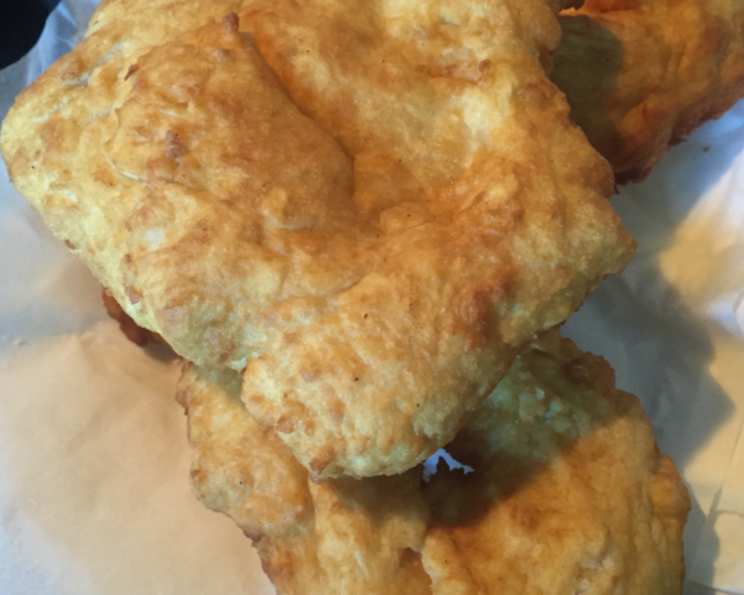
Native American Fry Bread: A Taste of Tradition
The scent of fry bread always takes me back to summer powwows as a child. The air, thick with the rhythmic beat of drums and the vibrant colors of dancers, was punctuated by the unmistakable aroma of dough hitting hot oil. Standing in line, anticipation building, finally receiving that warm, slightly greasy, golden disc felt like receiving a piece of sunshine. It wasn’t just food; it was connection, community, and a taste of history.
Recipe Overview
- Prep Time: 20 minutes
- Cook Time: 15 minutes
- Total Time: 35 minutes
- Servings: 6
- Yield: 6 breads
- Dietary Type: Vegetarian (easily adaptable to vegan by using plant-based milk if desired, though traditionally made with water)
Ingredients
- 2 cups all-purpose flour
- 1 tablespoon baking powder
- 1 teaspoon seasoning salt or 1 teaspoon table salt
- 1 cup steaming tap water
- Vegetable oil, for frying
Equipment Needed
- Medium mixing bowl
- Fork
- Frying pan or electric skillet
- Paper towels
Instructions
-
In a medium bowl, combine the all-purpose flour, baking powder, and seasoning salt (or table salt) using a fork. Mix until well combined.
-
Gradually add the steaming tap water to the dry ingredients, mixing with the fork until a sticky dough forms. The dough should come together but will not be smooth like bread dough.
-
Liberally grease your hands with vegetable oil. This step is crucial to prevent the sticky dough from clinging to your hands. Shape the dough into a ball.
-
Leave the dough in the bowl, cover it with a clean towel, and set it in a warm place for at least 20 minutes. Allowing the dough to rest longer will result in fluffier fry bread. You can let it rest for up to an hour for optimal results.
-
When you are ready to make the fry bread, heat vegetable oil in a frying pan or electric skillet. The oil should be at least 1 inch deep, or deeper for a more even frying. Aim for a temperature of around 375 degrees Fahrenheit (190 degrees Celsius).
-
Test the oil temperature by dropping a small ball of dough into the grease. If the oil is hot enough, the dough should immediately float to the surface. If it sinks to the bottom and doesn’t bubble, the oil needs to heat up further.
-
Once the oil is at the correct temperature, grease your hands again with vegetable oil. Grab a ball of dough slightly bigger than a golf ball.
-
Gently stretch the dough out in your greased hands until it is flattened to about the size of a large cookie. Aim for an even thickness to ensure even cooking.
-
Use your fingers to poke a small hole in the center of the flattened dough. This helps the bread cook evenly and prevents it from puffing up too much.
-
Carefully lay the stretched dough into the hot vegetable oil.
-
Let the dough fry until it is golden brown on the bottom, then carefully flip it over and fry the other side until it is also golden brown. This should take about 2-3 minutes per side.
-
Remove the fry bread from the oil and place it on a plate lined with paper towels to drain excess oil.
-
Serve immediately.
Expert Tips & Tricks
- Don’t overmix the dough: Overmixing will develop the gluten in the flour, resulting in tougher fry bread. Mix just until the ingredients come together.
- Grease is key: Don’t skimp on greasing your hands! This is essential for handling the sticky dough.
- Temperature control is vital: Maintaining the correct oil temperature is crucial for perfectly cooked fry bread. Too cold, and the bread will be greasy; too hot, and it will burn on the outside before cooking through. Use a thermometer if you have one, or pay close attention to how the dough reacts when you test it.
- For crispier fry bread: After frying, place the cooked fry bread on a wire rack instead of paper towels to allow air to circulate and prevent it from becoming soggy.
- Flavor boost: Add a pinch of garlic powder or onion powder to the flour mixture for a savory flavor.
Serving & Storage Suggestions
Fry bread is best served immediately while warm and fresh. It can be enjoyed in a variety of ways:
- Plain: Simply enjoy it with a pat of butter, a drizzle of honey, or a dollop of jam or jelly.
- Indian Tacos: Top it with your favorite taco ingredients, such as seasoned ground beef or shredded chicken, lettuce, tomatoes, cheese, salsa, and sour cream.
- Savory Sides: Serve it as a side dish with chili, stew, or soup. It’s excellent for dipping!
- Sweet Treat: Sprinkle it with cinnamon and sugar for a simple dessert.
Leftover fry bread can be stored at room temperature for up to 24 hours, but it’s best when fresh. To store it for longer, wrap it tightly in plastic wrap and refrigerate for up to 3 days. Reheat in a warm oven or toaster oven until heated through. Fry bread does not freeze well.
Nutritional Information
| Nutrient | Amount per Serving | % Daily Value |
|---|---|---|
| Calories | 310 kcal | 16% |
| Total Fat | 15g | 23% |
| Saturated Fat | 2g | 10% |
| Cholesterol | 0mg | 0% |
| Sodium | 350mg | 15% |
| Total Carbohydrate | 40g | 13% |
| Dietary Fiber | 2g | 8% |
| Sugars | 1g | 2% |
| Protein | 6g | 12% |
Note: Nutritional information is an estimate and may vary based on specific ingredients and cooking methods.
Variations & Substitutions
- Gluten-Free Fry Bread: Substitute a gluten-free all-purpose flour blend for the regular flour. You may need to adjust the amount of water to achieve the desired consistency.
- Vegan Fry Bread: While traditionally made with water, you can substitute plant-based milk (such as almond milk, soy milk, or oat milk) for a richer flavor.
- Sweet Fry Bread: Add a tablespoon of sugar to the flour mixture for a slightly sweeter fry bread.
- Herbed Fry Bread: Mix in chopped fresh herbs, such as rosemary, thyme, or sage, for a flavorful twist.
- Cornmeal Fry Bread: Add 1/4 cup of cornmeal to the flour mixture for a slightly different texture and flavor.
FAQs (Frequently Asked Questions)
Q: Why is my fry bread greasy?
A: The oil was likely not hot enough. Ensure the oil is at 375 degrees Fahrenheit before frying. Also, avoid overcrowding the pan, as this will lower the oil temperature.
Q: My fry bread is tough. What did I do wrong?
A: You may have overmixed the dough, developing too much gluten. Be gentle when mixing and only mix until the ingredients come together.
Q: How can I make my fry bread fluffier?
A: Allowing the dough to rest for a longer period (up to an hour) will help it rise and become fluffier. Also, be sure your baking powder is fresh.
Q: Can I make the dough ahead of time?
A: Yes, you can make the dough ahead of time and store it in the refrigerator for up to 24 hours. Bring it to room temperature before frying.
Q: Can I bake the fry bread instead of frying it?
A: While traditionally fried, you can bake it for a healthier alternative. Bake at 375 degrees Fahrenheit for about 15-20 minutes, or until golden brown, but the texture will be different.
Final Thoughts
Making fry bread is more than just following a recipe; it’s about connecting with history, culture, and community. It’s a simple dish with profound meaning, passed down through generations. I encourage you to try this recipe and experience the warmth and comfort of freshly made fry bread. Whether you enjoy it sweet or savory, plain or piled high with toppings, I hope it brings a little bit of sunshine to your table. Please share your creations and any variations you try – I’d love to hear about your fry bread journey! Perhaps pair it with a bowl of hearty chili for a complete and satisfying meal.