
Naturally Bright: Crafting Your Own Whitening Toothpaste
I’ll never forget the time I ran out of toothpaste the night before a big presentation. A small crisis, sure, but the panic was real! Digging through my pantry, I stumbled upon baking soda, an old remedy my grandmother swore by for everything from cleaning to teeth whitening. That night, a simple mix of baking soda, salt, and a few drops of essential oil became my emergency toothpaste. The surprisingly clean feeling and subtle brightening effect left me intrigued, and sparked my journey into the world of natural oral care. Now, I’ve refined that initial experiment into a simple, effective recipe I’m excited to share with you.
Recipe Overview
- Prep Time: 3 minutes
- Servings: Approximately 100 uses
- Dietary Type: Vegan, Gluten-Free, Fluoride-Free
Ingredients
- 8 tablespoons baking soda
- 8 tablespoons sea salt, not iodized
- 20 drops orange blossom essential oil
Equipment Needed
- Small mixing bowl or jar
- Measuring spoons
- Airtight container for storage
Instructions
- Combine the baking soda and sea salt in a small mixing bowl or jar.
- Add the orange blossom essential oil to the baking soda and salt mixture.
- Mix all ingredients thoroughly until well combined. Ensure there are no clumps of baking soda or salt.
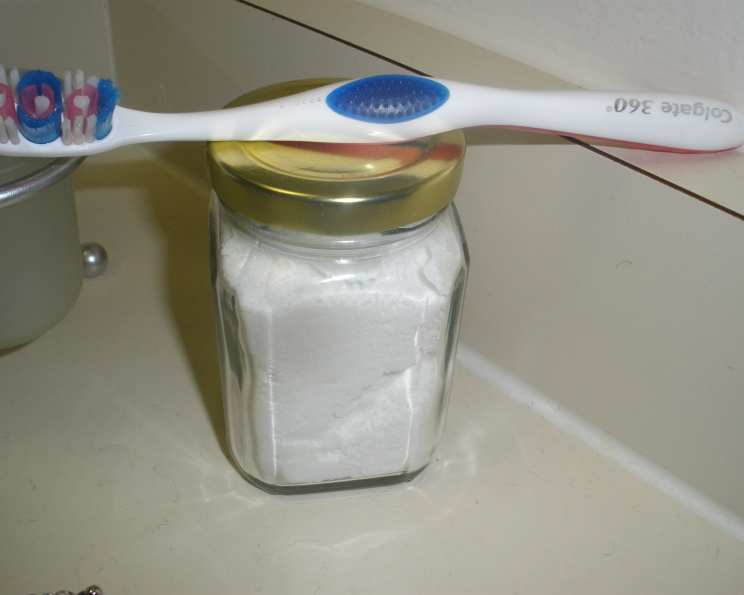
- Transfer the mixture to an airtight container for storage. A small glass jar with a lid works perfectly.
- To use, dampen your toothbrush with water.
- Dip the damp toothbrush into the natural toothpaste mixture.
- Brush your teeth gently for 2 minutes, ensuring you reach all areas of your mouth.
- Rinse your mouth thoroughly with water after brushing.
Expert Tips & Tricks
- Salt Selection: Opt for fine sea salt for a smoother texture and avoid any irritation to your gums. Coarse salt can be abrasive.
- Essential Oil Alternatives: If orange blossom isn’t your preference, feel free to experiment with other essential oils known for their oral health benefits. Peppermint, tea tree, or spearmint are excellent choices. Always use food-grade, pure essential oils.
- Adjusting Consistency: If you prefer a paste-like consistency, you can add a small amount of water or coconut oil to the mixture until you reach your desired thickness. Add very gradually, as a little goes a long way.
- Flavor Enhancement: For a touch of sweetness and added benefits, consider adding a tiny pinch of stevia powder. Be cautious, as too much stevia can create an overly sweet taste.
- Gentle Brushing: Remember to brush gently to avoid irritating your gums. The baking soda in this recipe is mildly abrasive, so excessive pressure isn’t necessary.
- Storage: Always store your homemade toothpaste in an airtight container to prevent moisture from entering and clumping the mixture.
- Spot Test: Before using the toothpaste regularly, do a spot test on a small area of your gums to check for any sensitivity or allergic reaction to the ingredients, especially the essential oil.
Serving & Storage Suggestions
This natural whitening toothpaste is best used immediately after preparation. Store the remaining mixture in an airtight container at room temperature. It should last for several months as long as it’s kept dry and free from contamination. There’s no need to refrigerate. Be sure to use a clean, dry spoon or toothbrush each time you use the toothpaste to prevent introducing moisture or bacteria into the jar. This will help extend its shelf life and maintain its effectiveness.
Nutritional Information
Please note: Since this toothpaste is not ingested, nutritional information is not a primary concern. However, an estimate is provided based on minimal absorption.
| Nutrient | Amount per Serving | % Daily Value* |
|---|---|---|
| Calories | Trace | 0% |
| Sodium | 85mg | 4% |
| Total Fat | 0g | 0% |
| Saturated Fat | 0g | 0% |
| Cholesterol | 0mg | 0% |
| Total Carbs | Trace | 0% |
| Dietary Fiber | 0g | 0% |
| Sugars | 0g | 0% |
| Protein | 0g | 0% |
- Percent Daily Values are based on a 2,000 calorie diet.
Variations & Substitutions
- Essential Oil Blends: Experiment with different essential oil combinations for varying flavors and benefits. A blend of peppermint and tea tree oil can provide a refreshing and antiseptic effect.
- Herbal Infusion: Infuse the sea salt with dried herbs like mint or sage before mixing. Simply grind the herbs with the salt for added flavor and potential benefits.
- Activated Charcoal: For enhanced whitening, add a teaspoon of activated charcoal powder to the mixture. Be aware that activated charcoal can stain temporarily, so rinse thoroughly after brushing.
- Bentonite Clay: If you prefer a smoother, more paste-like texture, try substituting a portion of the baking soda with bentonite clay. Bentonite clay also helps to remineralize teeth.
- Xylitol Addition: A small amount of xylitol (about 1/2 teaspoon) can be added for its cavity-fighting properties. Xylitol is a natural sugar alcohol that inhibits the growth of bacteria in the mouth.
- Glycerin: To add some moisture, try including a teaspoon of vegetable glycerin. Be careful to select a high-quality source for the best results.
FAQs (Frequently Asked Questions)
Q: Will this toothpaste really whiten my teeth?
A: The baking soda in this recipe acts as a mild abrasive that can help remove surface stains and brighten your teeth. However, it’s not a substitute for professional whitening treatments.
Q: Is this toothpaste safe to use every day?
A: Yes, this toothpaste is generally safe for daily use, but listen to your body. If you experience any sensitivity or irritation, reduce the frequency of use or discontinue altogether.
Q: Can I use table salt instead of sea salt?
A: While you can, it’s best to use sea salt that is non-iodized. Iodized salt may have a slightly different taste and can sometimes be more processed. The mineral content of sea salt is also often considered to be more beneficial.
Q: How long will this homemade toothpaste last?
A: When stored properly in an airtight container, this toothpaste can last for several months. Just be sure to keep it dry and free from contamination.
Q: Can I use this toothpaste on my kids?
A: It’s generally safe for kids, but be mindful of the essential oils used. Some essential oils are not recommended for young children. Always consult with a dentist or pediatrician before using any homemade toothpaste on children.
Final Thoughts
Taking control of your oral health with natural ingredients can be a rewarding experience. This simple recipe for natural whitening toothpaste offers a gentle and effective way to brighten your smile without harsh chemicals. I encourage you to try it, experiment with different flavors and variations, and find what works best for you. Share your experience with others, and let’s create a community of individuals who prioritize their well-being with natural and sustainable solutions. Your smile will thank you for it!