
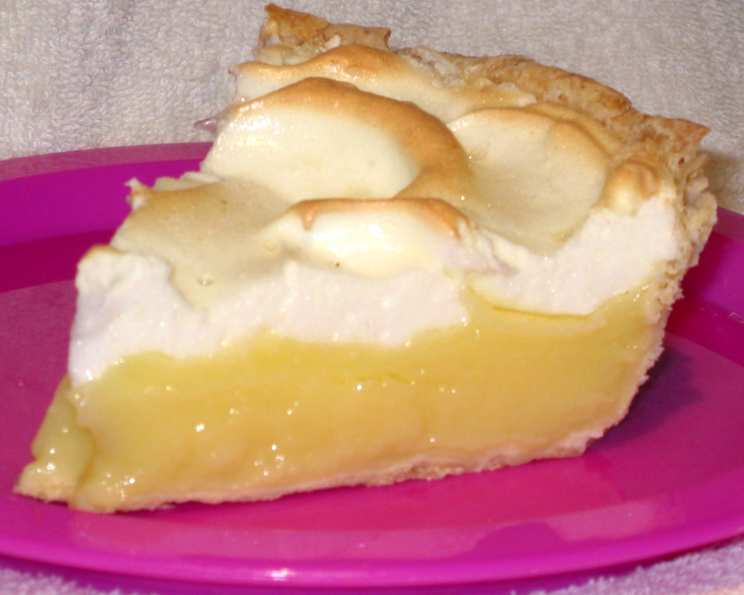
Never Fail Meringue: A Chef’s Guide to Perfect Peaks
The first time I made meringue, I was ten years old, standing on a wobbly chair in my grandmother’s sun-drenched kitchen. I remember the sheer magic of watching those humble egg whites transform into a cloud of sweetness, the scent of vanilla filling the air. It wasn’t perfect – far from it – but the pride I felt when serving that slightly-too-brown pie to my family is a memory I still cherish. Over the years, I’ve learned a thing or two about achieving meringue perfection, and I’m excited to share my secrets with you.
Recipe Overview
- Prep Time: 15 minutes
- Cook Time: 10 minutes
- Total Time: 25 minutes
- Servings: Variable, depends on the size of your pie
- Yield: Enough for one standard pie
- Dietary Type: Gluten-Free (naturally), Dairy-Free (naturally)
Ingredients
- 1 tablespoon cornstarch
- 2 tablespoons cold water
- ½ cup boiling water
- 3 egg whites
- 6 tablespoons sugar
- 1 pinch baking soda
- 1 teaspoon vanilla
Equipment Needed
- Saucepan
- Electric mixer (stand or hand mixer)
- Measuring spoons and cups
- Oven
- Pie dish (already filled with cooled pie)
Instructions
- In a saucepan, thoroughly blend together the cornstarch and cold water. Ensure there are no lumps.
- Carefully add the boiling water to the cornstarch mixture.
- Place the saucepan over medium heat and cook, constantly stirring, until the mixture becomes clear and thickened. This should take just a few minutes.
- Remove the saucepan from the heat and allow the cornstarch mixture to cool completely. This step is crucial, so be patient! You can even place it in the refrigerator to speed up the process.
- In a clean, grease-free bowl, using an electric mixer on high speed, beat the egg whites until they become foamy. This indicates that air is being incorporated, which is essential for a light and airy meringue.
- Gradually add the sugar, one tablespoon at a time, while continuing to beat on high speed. Be sure to allow each spoonful of sugar to dissolve into the egg whites before adding the next. This prevents a grainy texture.
- Continue beating until the egg whites form stiff, glossy peaks. The peaks should stand straight up when the beaters are lifted from the bowl, but they should not appear dry or curdled. Over-beating can ruin the meringue.
- Reduce the mixer speed to low. Add the baking soda and vanilla. The baking soda helps stabilize the meringue and prevents weeping, while the vanilla adds a delightful flavor.
- Gradually beat in the cooled cornstarch mixture. Add it slowly, ensuring it is fully incorporated into the egg white mixture.
- Raise the mixer speed again to high and beat well until the meringue is smooth and thoroughly combined.
- Evenly spread the meringue over the top of your cooled pie filling. Ensure the meringue touches the crust all around the edge to seal it and prevent shrinking.
- Bake in a preheated oven at 350 degrees Fahrenheit for at least 10 minutes. Watch it closely! The meringue is done when it is lightly browned. The exact baking time will depend on your oven, so keep a close eye on it.
Expert Tips & Tricks
- The Bowl is Key: Ensure your mixing bowl and beaters are scrupulously clean and free of any grease or oil. Even a tiny amount of fat can prevent the egg whites from whipping properly. Wipe them down with a little lemon juice or vinegar before you begin.
- Room Temperature Egg Whites: While some chefs prefer cold egg whites, I find that room temperature egg whites whip up to a greater volume. Separate the eggs while they are cold (easier to do) and then let the whites sit at room temperature for about 30 minutes before whipping.
- Prevent Weeping: Weeping (when beads of moisture form on the meringue) is a common problem. To prevent this, ensure the cornstarch mixture is completely cooled before adding it to the egg whites, and that the meringue is properly sealed to the crust.
- Browning Perfection: For even browning, rotate the pie halfway through the baking time. If the meringue is browning too quickly, you can gently tent it with foil.
- Swiss Meringue Option: For a sturdier meringue, try a Swiss meringue. This involves gently heating the egg whites and sugar together over a double boiler until the sugar is dissolved, then whipping them into a meringue. Swiss meringue is less prone to weeping and can be torched for a beautiful browned top.
Serving & Storage Suggestions
Serve your meringue pie soon after it has cooled slightly. The meringue is best when freshly baked and still slightly warm. To cut the pie cleanly, use a sharp knife dipped in warm water.
Store leftover pie in the refrigerator, loosely covered. Meringue does not hold up well at room temperature or in the freezer, as it can become soggy or weep. It is best consumed within 2-3 days. The texture of the meringue will change over time, so enjoy it as soon as possible!
Nutritional Information
Please note that these are estimates and will vary depending on the exact ingredients and portion size.
| Nutrient | Amount per Serving | % Daily Value |
|---|---|---|
| Calories | 80 kcal | 4% |
| Total Fat | 0g | 0% |
| Saturated Fat | 0g | 0% |
| Cholesterol | 0mg | 0% |
| Sodium | 20mg | 1% |
| Total Carbohydrate | 18g | 6% |
| Dietary Fiber | 0g | 0% |
| Sugars | 15g | 30% |
| Protein | 1g | 2% |
Variations & Substitutions
- Lemon Meringue Pie: This is a classic for a reason! Use this meringue recipe over a tangy lemon curd filling.
- Chocolate Meringue Pie: For chocolate lovers, a rich chocolate cream filling paired with this light meringue is a dream come true.
- Coconut Meringue Pie: Add a touch of coconut extract to the meringue for a tropical twist. You can also sprinkle toasted coconut flakes on top after baking.
- Different Sugars: While granulated sugar is standard, you can experiment with other types, such as caster sugar (superfine sugar), for an even smoother meringue.
- Flavor Extracts: Feel free to experiment with other flavor extracts besides vanilla, such as almond, lemon, or even a hint of peppermint.
FAQs (Frequently Asked Questions)
Q: Why is my meringue weeping?
A: Weeping is often caused by undercooked meringue or excess moisture. Make sure to bake the meringue for the full recommended time and that the cornstarch mixture is fully cooled before adding it to the egg whites. Sealing the meringue to the crust can also help.
Q: My meringue is too soft. What did I do wrong?
A: A soft meringue can be due to under-beating the egg whites or using too much sugar. Ensure the egg whites form stiff peaks before adding the sugar, and use the correct sugar-to-egg white ratio.
Q: Can I make meringue in advance?
A: Unfortunately, no. Meringue is best made and baked immediately before serving. It doesn’t hold up well for extended periods.
Q: How do I fix a cracked meringue?
A: Cracking can happen if the meringue cools too quickly. Try turning off the oven after the baking time and letting the pie cool slowly inside the oven with the door slightly ajar.
Q: What is the purpose of the cornstarch mixture?
A: The cornstarch mixture helps to stabilize the meringue and prevent it from weeping. It creates a more durable and longer-lasting meringue.
Final Thoughts
Meringue can seem intimidating, but with a little practice and attention to detail, you can achieve perfectly peaked, beautifully browned results every time. Don’t be afraid to experiment with different flavors and fillings to create your own signature meringue pie. Whether it’s a classic lemon meringue or a decadent chocolate version, the light and airy texture of meringue is sure to delight. So go ahead, grab your whisk, and create a little magic in your kitchen! I’d love to hear about your meringue adventures and any creative twists you add – happy baking!