
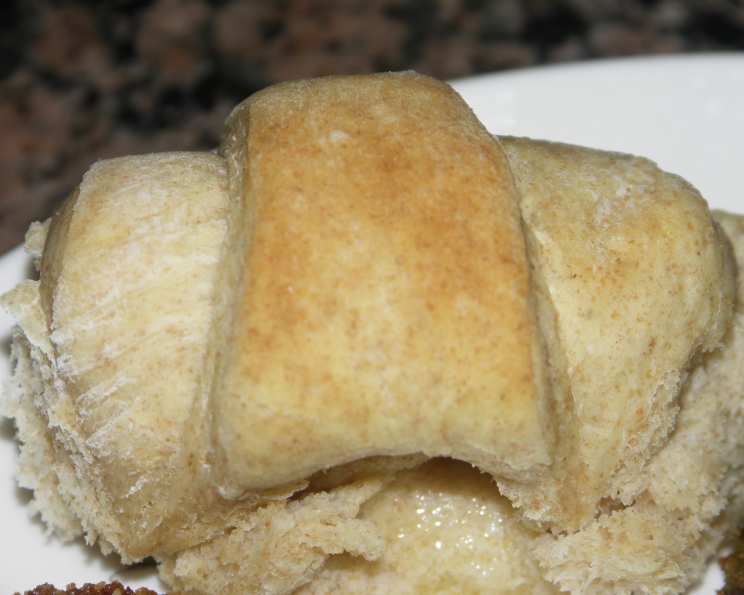
Never Fail Yeast Rolls: The Sweet Secret to Bread Perfection
The aroma of freshly baked bread has always been my happy place. As a child, I remember my grandmother’s kitchen, perpetually warm and fragrant, the heart of countless family gatherings. Her yeast rolls were legendary – pillowy soft, slightly sweet, and utterly addictive. The secret? A touch of cake mix, a surprisingly brilliant addition that ensured a tender crumb and foolproof results, even for a clumsy kid like me. This recipe isn’t just about making rolls; it’s about recreating those cherished memories, bite by delicious bite.
Recipe Overview
- Prep Time: 2 hours
- Cook Time: 12-15 minutes
- Total Time: 2 hours 15 minutes
- Servings: 24 rolls
- Yield: 2 dozen rolls
- Dietary Type: Vegetarian
Ingredients
- 1 (1/4 ounce) package active dry yeast
- 1 1/2 cups water (110-115 degrees F)
- 3 1/4 cups all-purpose flour, plus more for dusting
- 1 (9 ounce) package yellow cake mix or white cake mix
- 1/2 teaspoon salt
- Melted butter or margarine for brushing
Equipment Needed
- Large mixing bowl
- Measuring cups and spoons
- Greased bowl for rising
- Plastic wrap or clean kitchen towel
- Rolling pin
- Baking sheets
- Pastry brush
Instructions
-
Activate the yeast: In a large mixing bowl, dissolve one package (1/4 ounce) of active dry yeast in 1 1/2 cups of warm water (110-115 degrees F). This temperature is crucial; too hot and you’ll kill the yeast, too cold and it won’t activate properly. Let it sit for about 5 minutes, or until foamy, indicating the yeast is alive and ready to go.
-
Combine the dry ingredients: Add 3 1/4 cups of all-purpose flour, one 9-ounce package of either yellow or white cake mix, and 1/2 teaspoon of salt to the yeast mixture.
-
Mix the dough: Beat the ingredients together until a dough forms. Don’t knead the dough at this stage. The consistency should be fairly soft. If the dough appears too dry during mixing, add 1-2 tablespoons of water at a time until the dough is thoroughly combined. The goal is a slightly sticky, but manageable, dough.
-
First Rise: Place the dough in a greased bowl, turning to coat all sides. Cover the bowl with plastic wrap or a clean kitchen towel and let it rise in a warm place until doubled in size, approximately 1 hour. A warm oven (turned off!) or a sunny spot works well. This rising period is essential for developing the light and airy texture of the rolls.
-
Punch Down and Divide: Once the dough has doubled, gently punch it down to release the air. Divide the dough in half.
-
Shape the Rolls: Lightly flour a clean surface. Roll each portion of the dough into a 12-inch circle. Using a sharp knife or pizza cutter, cut each circle into 12 wedges, like you would a pizza.
-
Roll and Arrange: Starting at the wide end of each wedge, roll it up tightly towards the point. Place the rolled rolls, point side down, on greased baking sheets. Proper placement ensures they bake evenly and don’t unravel.
-
Second Rise: Brush the tops of the rolls with melted butter or margarine. Cover the baking sheets with plastic wrap or a clean kitchen towel, and let the rolls rise again until doubled, about 25 minutes. This second rise is crucial for achieving that final, irresistible puffiness.
-
Bake: Preheat your oven to 350 degrees F (175 degrees C). Bake the rolls for 12-15 minutes, or until they are golden brown. Keep a close eye on them; ovens vary, and you don’t want them to burn.
-
Cool and Serve: Remove the rolls from the oven and let them cool slightly on the baking sheets before transferring them to a wire rack to cool completely. Serve warm, with extra butter if desired.
Expert Tips & Tricks
- Yeast Activation: Always check the expiration date on your yeast. If you’re unsure if your yeast is still good, test it by dissolving it in warm water with a pinch of sugar. If it doesn’t foam after 5-10 minutes, it’s time for a new batch.
- Dough Consistency: The dough should be soft and slightly sticky. Avoid adding too much flour, as this can result in dry, dense rolls. Add flour gradually, only if necessary.
- Warm Environment: A consistent, warm environment is crucial for successful rising. If your kitchen is cold, try placing the dough in a slightly warmed oven (turned off) or near a warm appliance.
- Even Baking: To ensure even baking, rotate the baking sheets halfway through the baking time.
- Golden Brown Perfection: For an extra golden-brown finish, brush the rolls with an egg wash (1 egg beaten with 1 tablespoon of water) before baking.
Serving & Storage Suggestions
These rolls are best served warm, straight from the oven. They are the perfect accompaniment to any meal, from a simple weeknight dinner to a festive holiday feast. Leftover rolls can be stored in an airtight container at room temperature for up to 2 days, in the refrigerator for up to 5 days, or in the freezer for up to 3 months. To reheat, wrap the rolls in foil and warm them in a 350-degree F oven for about 10 minutes, or until heated through. You can also microwave them for a few seconds, but be careful not to overdo it, as they can become tough.
Nutritional Information
| Nutrient | Amount per Serving | % Daily Value |
|---|---|---|
| Calories | 130 kcal | N/A |
| Calories from Fat | N/A | N/A |
| Total Fat | 1.7 g | 3% |
| Saturated Fat | 0.3 g | 2% |
| Cholesterol | 0 mg | 0% |
| Sodium | 59.5 mg | 3% |
| Total Carbohydrate | 26.7 g | 9% |
| Dietary Fiber | 0.3 g | 1% |
| Sugars | 2.3 g | N/A |
| Protein | 2.9 g | 6% |
Note: Nutritional information is an estimate and may vary based on specific ingredients and serving sizes.
Variations & Substitutions
- Whole Wheat Rolls: Substitute 1 to 1 1/2 cups of the all-purpose flour with whole wheat flour for a nuttier flavor and added fiber.
- Herb Rolls: Add 1-2 tablespoons of chopped fresh herbs, such as rosemary, thyme, or parsley, to the dough for a savory twist.
- Garlic Rolls: Brush the baked rolls with garlic butter (melted butter mixed with minced garlic) for a flavorful side dish.
- Sweet Rolls: Add 1/4 cup of sugar to the dough and brush the baked rolls with a simple glaze (powdered sugar mixed with milk) for a sweet treat.
FAQs (Frequently Asked Questions)
Q: Can I use a different type of cake mix?
A: Yes, you can experiment with other cake mix flavors, such as spice cake or chocolate cake, for a unique twist on the classic rolls.
Q: Can I make the dough ahead of time?
A: Absolutely! After the first rise, punch down the dough and store it in the refrigerator for up to 24 hours. Let it come to room temperature before shaping and baking.
Q: What if my rolls don’t rise properly?
A: Ensure your yeast is fresh and active, and that the dough is placed in a warm environment. Also, avoid using too much flour, as this can inhibit rising.
Q: Can I freeze the baked rolls?
A: Yes, you can freeze the baked rolls for up to 3 months. Wrap them tightly in plastic wrap and then in foil to prevent freezer burn. Thaw at room temperature before reheating.
Q: Why does the recipe call for cake mix?
A: The cake mix adds sweetness and tenderness to the rolls, resulting in a softer crumb and a slightly sweet flavor. It also helps to create a more foolproof recipe, as the cake mix contains ingredients that aid in rising and texture.
Final Thoughts
These Never Fail Yeast Rolls are more than just a recipe; they’re a connection to cherished memories and a guarantee of deliciousness. Don’t be intimidated by the yeast; this recipe is incredibly forgiving. Whether you’re a seasoned baker or a kitchen novice, I encourage you to give these rolls a try. Share them with your loved ones, savor the warm, comforting flavor, and create your own lasting memories. And please, let me know what you think. Happy baking!