
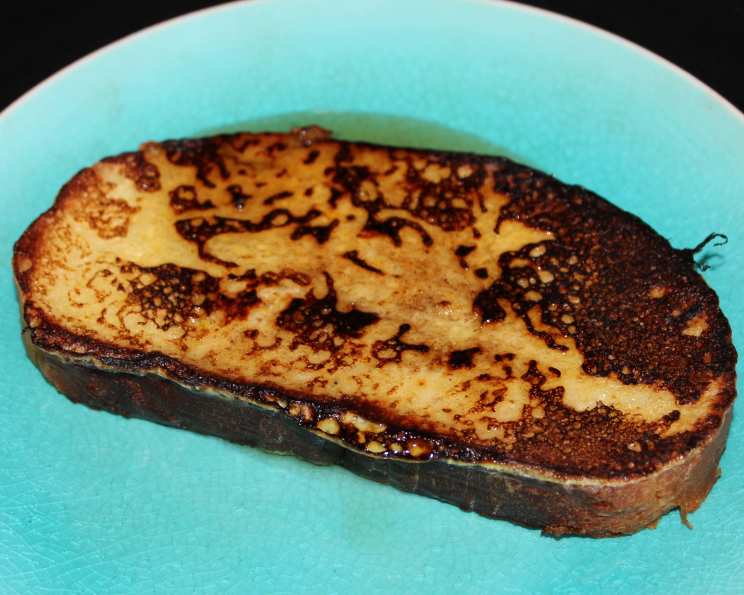
New Orleans French Toast: A Taste of the Big Easy
The first time I tasted New Orleans French Toast, or pain perdu as the locals call it, was at a tiny, hole-in-the-wall café in the French Quarter. The air was thick with the aroma of chicory coffee and beignets, and the sounds of a jazz trio drifted from a nearby courtyard. The French toast arrived, golden brown and glistening, its surface subtly fragrant. One bite and I was hooked – the hint of citrus was a revelation, elevating this simple breakfast staple to something truly special. It was a taste of New Orleans in every bite, and a memory I cherish to this day.
Recipe Overview
- Prep Time: 10 minutes
- Cook Time: 15 minutes
- Total Time: 25 minutes
- Servings: 4
- Dietary Type: Not specified
Ingredients
- 2/3 cup milk
- 1 tablespoon powdered sugar
- 1/4 teaspoon salt
- 1 teaspoon orange peel (grated) – Be sure to only use the zest, avoiding the bitter white pith.
- 3 eggs
- 2 tablespoons butter
- 8 slices day-old bread – Brioche or challah work exceptionally well.
Equipment Needed
- Whisk
- 10-inch skillet
Instructions
- In a medium bowl, beat together the milk, powdered sugar, salt, grated orange peel, and eggs until the mixture is smooth and well combined. The orange peel is crucial for that signature New Orleans flavor!
- Place the 10-inch skillet over medium heat. Add 1 tablespoon of the butter to the skillet and allow it to melt completely. Ensure the butter coats the bottom of the pan evenly to prevent sticking.
- Before dipping each slice of bread, stir the egg mixture well to ensure the ingredients are evenly distributed. This prevents the orange peel from settling at the bottom.
- Dip several slices of the day-old bread into the egg mixture, making sure each side is thoroughly soaked. Don’t overcrowd the skillet; cook in batches.
- Cook the soaked bread slices in the hot skillet for approximately 2 minutes on each side, or until they are golden brown and cooked through. The cooking time may vary slightly depending on the thickness of your bread and the heat of your stove.
- Repeat the process with the remaining bread slices, adding the remaining tablespoon of butter to the skillet as needed. Again, make sure the butter is fully melted and evenly distributed before adding more bread.
- Once all the French toast slices are cooked, sprinkle them with additional powdered sugar if desired.
- Serve immediately with maple syrup or your favorite toppings.
Expert Tips & Tricks
- The Bread Matters: Using day-old bread is key to preventing soggy French toast. Slightly stale bread absorbs the custard better without falling apart. Brioche or challah bread are excellent choices for their rich flavor and texture, but any sturdy bread will work.
- Don’t Overcrowd the Pan: Overcrowding the skillet lowers the temperature and can result in soggy French toast. Cook in batches to ensure each slice has enough room to brown properly.
- Temperature Control is Key: Maintaining a medium heat is essential for even cooking. If the heat is too high, the outside will burn before the inside is cooked. If the heat is too low, the bread will soak up too much butter and become greasy.
- Citrus Zest Secret: The orange peel is what truly sets this French toast apart. Don’t skip it! For a stronger citrus flavor, try adding a little orange blossom water to the egg mixture.
- Make-Ahead Tip: You can prepare the egg mixture in advance and store it in the refrigerator for up to 24 hours. Just whisk it well before using.
Serving & Storage Suggestions
Serve the New Orleans French toast immediately while it’s still warm and golden brown. Traditional accompaniments include maple syrup, fresh berries, whipped cream, and a dusting of powdered sugar. For a truly authentic New Orleans experience, consider topping it with fresh orange sections tossed with a little sugar and a splash of orange liqueur.
Leftovers can be stored in an airtight container in the refrigerator for up to 2 days. To reheat, you can use a toaster oven, skillet, or microwave. The toaster oven is the best option for preserving the crispy texture. Reheating in a skillet with a little butter will also yield good results. Microwaving is the quickest option, but it may make the French toast slightly softer. Freezing is not recommended.
Nutritional Information
| Nutrient | Amount per Serving | % Daily Value |
|---|---|---|
| Calories | 271.8 kcal | N/A |
| Calories from Fat | 112 | N/A |
| Total Fat | 12.5 g | 19% |
| Saturated Fat | 6.1 g | 30% |
| Cholesterol | 160.5 mg | 53% |
| Sodium | 524.8 mg | 21% |
| Total Carbohydrate | 29.6 g | 9% |
| Dietary Fiber | 1.2 g | 5% |
| Sugars | 4.2 g | N/A |
| Protein | 9.9 g | 19% |
Note: Nutritional information is an estimate and may vary based on specific ingredients and preparation methods.
Variations & Substitutions
- Gluten-Free: Use gluten-free bread for a gluten-free version.
- Dairy-Free: Substitute almond milk or soy milk for the cow’s milk and use a dairy-free butter alternative.
- Spice It Up: Add a pinch of cinnamon or nutmeg to the egg mixture for a warmer, spicier flavor.
- Boozy Boost: For an adult twist, add a tablespoon of rum or bourbon to the egg mixture.
- Berry Blast: Incorporate fresh berries into the egg mixture or use a berry-flavored syrup for serving.
FAQs (Frequently Asked Questions)
Q: Why is my French toast soggy?
A: Soggy French toast is usually caused by using bread that is too fresh or by not cooking it at a high enough temperature. Day-old bread and a medium-hot skillet are key to achieving a crispy exterior.
Q: Can I use a different type of bread?
A: Yes, you can! Brioche, challah, Texas toast, and even croissants all work well. Just make sure the bread is sturdy enough to hold its shape when soaked in the egg mixture.
Q: How can I prevent the butter from burning in the skillet?
A: Using medium heat and frequently wiping the skillet with a paper towel between batches can help prevent the butter from burning. You can also use clarified butter or ghee, which have higher smoke points.
Q: Can I add other flavors to the egg mixture?
A: Absolutely! Vanilla extract, almond extract, cinnamon, nutmeg, and even a splash of orange liqueur can all add delicious flavor to your French toast.
Q: Is it okay to double or triple this recipe?
A: Yes, you can easily scale this recipe up to feed a larger crowd. Just make sure to use a large enough bowl to accommodate the egg mixture and cook the French toast in batches.
Final Thoughts
New Orleans French Toast is more than just a breakfast dish; it’s an experience. With its fragrant citrus notes and golden-brown crust, it’s a taste of the Big Easy that you can recreate in your own kitchen. Don’t be afraid to experiment with different toppings and variations to create your own signature version. I encourage you to give this recipe a try and let me know what you think! And if you’re ever in New Orleans, be sure to seek out the real thing – you won’t be disappointed. Bon appétit!