
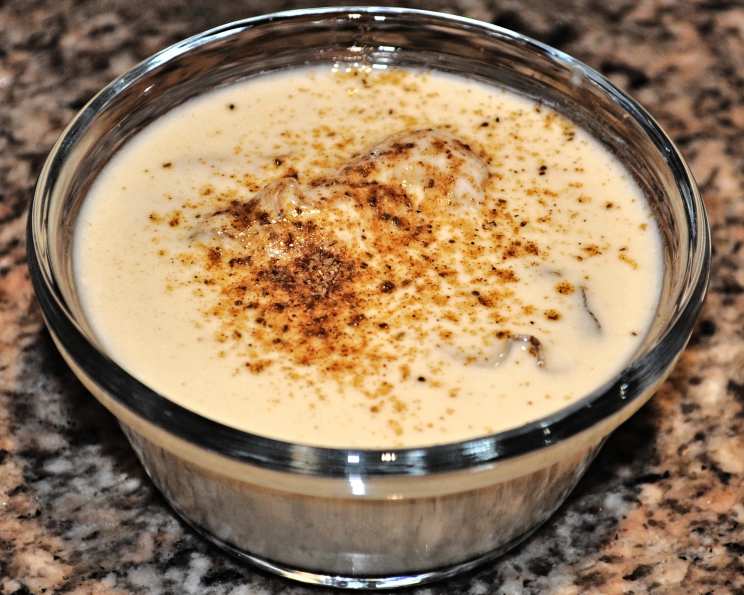
New Year’s Oyster Stew: A Culinary Ode to Celebrations and Togetherness
My grandmother, a woman who could coax flavor out of thin air, always made oyster stew for New Year’s Eve. Not some fancy, complicated affair, but a simple, comforting bowl brimming with the taste of the sea and the warmth of family. The aroma, a blend of sweet cream, briny oysters, and a whisper of spice, would fill her tiny kitchen, creating a haven against the winter chill and a promise of good things to come in the new year. It wasn’t just a meal; it was a tradition, a shared experience that bound us together, year after year. This recipe, while not hers exactly (hers was a closely guarded secret!), captures that same spirit of comfort, simplicity, and celebration.
Recipe Overview
- Prep Time: 20 minutes
- Cook Time: 25 minutes
- Total Time: 45 minutes
- Servings: 12
- Yield: About 12 cups
- Dietary Type: Varies (see variations for dairy-free)
Ingredients
- 3 medium leeks, chopped (white portion only)
- 1/4 cup (4 tablespoons) butter, cubed
- 2 medium potatoes, peeled and diced
- 2 cups hot water
- 3 teaspoons chicken bouillon granules (or vegetable bouillon for a lighter flavor)
- 2 cups milk (whole milk recommended for richness, but lower-fat options work too)
- 2 cups half-and-half cream (or heavy cream for an even richer stew)
- 4 (16 ounce) cans oysters, drained, 64 ounces total (reserve oyster liquor for extra flavor, see tips)
- 1/4 teaspoon cayenne pepper (adjust to your spice preference)
- Salt and pepper, to taste
- Minced fresh parsley, for garnish
Equipment Needed
- Dutch oven or large pot
- Blender (immersion blender can be used directly in the pot)
- Measuring cups and spoons
- Cutting board and knife
Instructions
- In a Dutch oven or large heavy-bottomed pot, melt the butter over medium heat. Add the chopped leeks (white portion only).
- Sauté the leeks for approximately 10 minutes, or until they are tender and translucent. Stir frequently to prevent browning. The goal is to soften them and release their delicate flavor.
- Add the diced potatoes to the pot.
- Pour in the hot water, followed by the chicken bouillon granules. Stir well to dissolve the bouillon.
- Bring the mixture to a simmer. Then, reduce the heat to low, cover the pot, and let it simmer for 20 minutes, or until the potatoes are tender and easily pierced with a fork.
- Remove the pot from the heat and let it cool slightly. This step is important for safety when blending hot liquids.
- Carefully transfer the potato and leek mixture to a blender (in batches if necessary). If using an immersion blender, you can blend directly in the pot.
- Cover the blender (leaving a vent for steam) and process until the mixture is completely smooth. Be careful when blending hot liquids; start on low speed and gradually increase to prevent splattering.
- Pour the blended potato mixture back into the Dutch oven.
- Stir in the milk, half-and-half cream, drained oysters, and cayenne pepper. Season with salt and pepper to taste. If you reserved the oyster liquor, now is the time to add it to the stew for extra depth of flavor. Start with a small amount and add more to taste.
- Heat the stew over low heat until it is heated through. Do not boil! Boiling can cause the milk and cream to curdle, resulting in an unpleasant texture. Gentle simmering is the key. Stir occasionally to prevent sticking.
- Once the stew is heated through, taste and adjust the seasoning as needed. Add more salt, pepper, or cayenne pepper to your liking.
- Ladle the oyster stew into bowls and garnish with minced fresh parsley. Serve immediately.
Expert Tips & Tricks
- Oyster Liquor Enhancement: Don’t discard the liquid from the oyster cans! This “liquor” is packed with briny flavor. Strain it through a fine-mesh sieve to remove any shell fragments and add it to the stew along with the oysters. Start with a half-cup and adjust to taste.
- Preventing Curdling: The key to a smooth, creamy oyster stew is low and slow cooking. Avoid boiling the stew at all costs. If you’re concerned about curdling, consider tempering the milk and cream before adding them to the pot. To do this, whisk a small amount of the hot potato mixture into the milk and cream, then slowly pour the tempered mixture into the pot while stirring constantly.
- Leek Preparation: Leeks can be quite sandy, so it’s important to clean them thoroughly. Slice the leeks lengthwise and rinse them under cold running water, separating the layers to remove any dirt or grit.
- Spice Level Adjustment: The cayenne pepper adds a subtle kick to the stew. If you prefer a milder flavor, reduce the amount of cayenne pepper or omit it altogether. Alternatively, for extra heat, use a pinch of smoked paprika or a dash of hot sauce.
- Make-Ahead Option: The potato and leek base of this stew can be made ahead of time. Prepare steps 1-8, cool completely, and store in an airtight container in the refrigerator for up to 2 days. When ready to serve, reheat the base and proceed with steps 9-13. Add the oysters just before serving to prevent them from becoming rubbery.
Serving & Storage Suggestions
Serve the oyster stew hot, garnished with minced fresh parsley. A sprinkle of oyster crackers or a crusty bread for dipping are excellent accompaniments. For a festive touch, consider serving the stew in hollowed-out bread bowls.
Leftover oyster stew can be stored in an airtight container in the refrigerator for up to 2 days. The texture may change slightly upon reheating, but the flavor will still be delicious. To reheat, gently warm the stew over low heat on the stovetop, stirring occasionally. Avoid boiling. I don’t recommend freezing oyster stew, as the texture of the oysters and cream can be negatively affected.
Nutritional Information
Note: Nutritional information is an estimate and may vary based on specific ingredients used.
| Nutrient | Amount per Serving | % Daily Value |
|---|---|---|
| Calories | 277 kcal | N/A |
| Total Fat | 13.6 g | 20% |
| Saturated Fat | 7 g | 35% |
| Cholesterol | 106.4 mg | 35% |
| Sodium | 357.6 mg | 14% |
| Total Carbohydrate | 20.6 g | 6% |
| Dietary Fiber | 1.2 g | 4% |
| Sugars | 1.3 g | 5% |
| Protein | 18 g | 35% |
Variations & Substitutions
- Dairy-Free Oyster Stew: Substitute the milk and half-and-half with unsweetened almond milk or coconut milk. Be aware that this will alter the flavor slightly. A touch of cashew cream can add extra richness. Use vegan butter in place of dairy butter.
- Seafood Medley: Add other types of seafood, such as shrimp, crabmeat, or scallops, to create a more complex seafood stew. Add the extra seafood during the last few minutes of cooking to prevent overcooking.
- Spicy Cajun Oyster Stew: Incorporate Cajun seasoning, diced bell peppers, and celery for a spicier, heartier stew.
- Creamy Tomato Oyster Stew: Add a can of diced tomatoes (drained) along with the milk and cream for a tangy and flavorful twist.
- Vegetarian “Oyster” Stew: Use sliced king oyster mushrooms, marinated in a seaweed broth to mimic the texture and flavor of oysters.
FAQs (Frequently Asked Questions)
Q: Can I use fresh oysters instead of canned?
A: Absolutely! Fresh oysters will provide the best flavor. Shuck them carefully, reserving the liquor, and add them to the stew during the last few minutes of cooking. Use approximately 2 pints (32 ounces) of shucked oysters.
Q: How can I prevent the stew from being too thin?
A: If your stew is too thin, you can thicken it by simmering it uncovered for a few minutes to reduce the liquid. Alternatively, you can mix a tablespoon of cornstarch with a tablespoon of cold water to create a slurry, then whisk it into the stew and simmer until thickened.
Q: Can I add other vegetables to the stew?
A: Yes, feel free to add other vegetables such as celery, carrots, or corn. Sauté them along with the leeks at the beginning of the recipe.
Q: Why is it important not to boil the stew?
A: Boiling the stew can cause the milk and cream to curdle, resulting in a grainy or separated texture. Gentle simmering is the key to a smooth and creamy stew.
Q: How can I tell if the oysters are cooked through?
A: Oysters are cooked through when their edges begin to curl and they become slightly firm. Be careful not to overcook them, as they will become rubbery.
Final Thoughts
Oyster stew is more than just a recipe; it’s a celebration of tradition, family, and the simple pleasures of good food. Whether you’re gathering around the table for a festive New Year’s Eve dinner or simply seeking a comforting bowl on a chilly evening, this recipe is sure to please. Don’t be afraid to experiment with variations and make it your own. Most importantly, enjoy the process of creating something delicious and sharing it with those you love. I’d love to hear how your version turns out – share your experiences and modifications! Perhaps you’ll create a new tradition of your own.