
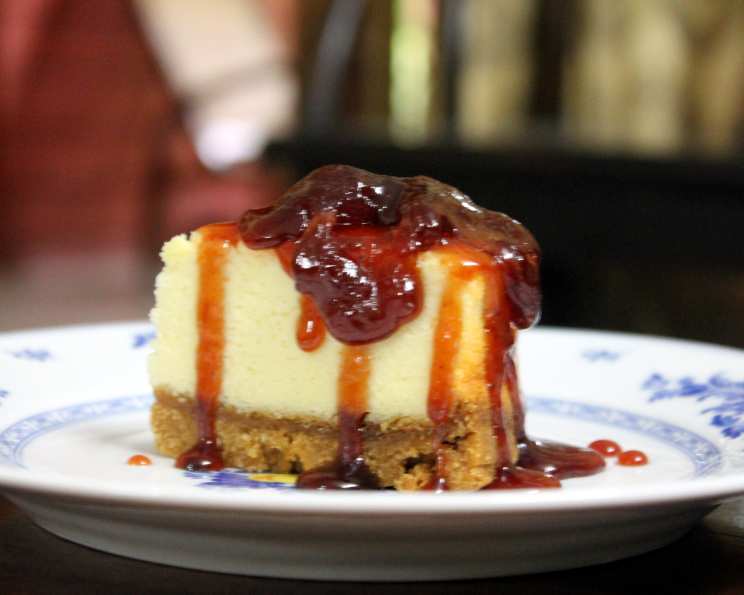
New York Style Cheesecake, An Indian Adaptation
The first time I ever tasted cheesecake was in a small, unassuming café tucked away in a bustling corner of New York City. The creamy, tangy filling atop a crumbly graham cracker crust was a revelation. It was love at first bite, an experience I yearned to recreate back in my own kitchen, albeit with a few Indian twists and readily available ingredients. Thus began my journey to adapt the iconic New York cheesecake for the Indian palate, a journey that culminated in this surprisingly easy and delicious recipe.
Recipe Overview
- Prep Time: 20 minutes
- Cook Time: 40 minutes
- Total Time: 1 hour (plus overnight refrigeration)
- Servings: 12
- Yield: 1 cake
- Dietary Type: Vegetarian
Ingredients
For the Crust:
- 1 1/2 packets Britannia Digestive Biscuits
- 3 tablespoons Sugar
- 3 tablespoons Melted Butter
For the Filling:
- 500 g Paneer (Indian cheese)
- 6-7 tablespoons Yoghurt (plain, full-fat recommended)
- 3/4 cup Sugar
- 1 tablespoon Vanilla Extract
- 3 Eggs
- 2 tablespoons Flour (Maida or All-Purpose)
- 5 teaspoons Jam (any flavor you like, for topping)
Equipment Needed
- 13×9 inch Baking Pan
- Food Processor or Rolling Pin & Zip-lock Bag
- Mixing Bowls
- Blender
- Spatula
- Measuring Cups and Spoons
Instructions
-
Preheat your oven to 150°C (300°F). Preparing the oven ahead of time ensures it reaches the optimal temperature for baking, which is key to even cooking.
-
Line a 13×9 inch baking pan with parchment paper. This step is crucial for easy removal of the cheesecake after baking and prevents sticking. Allow the paper to overhang slightly on the sides to act as handles.
-
Crush the Britannia Digestive Biscuits into fine crumbs. You can use a food processor for a quicker method, pulsing until they are finely ground. Alternatively, place the biscuits in a zip-lock bag and crush them with a rolling pin.
-
In a mixing bowl, combine the biscuit crumbs with 3 tablespoons of sugar and 3 tablespoons of melted butter. Mix thoroughly until the crumbs are evenly coated with the butter and sugar. The mixture should resemble wet sand.
-
Press the crumb mixture firmly onto the bottom of the prepared baking pan. Use the back of a spoon or a measuring cup to evenly distribute and compact the crust. A firm crust is essential to support the creamy filling.
-
Bake the crust for 10 minutes. This pre-baking step helps to set the crust and prevent it from becoming soggy when the filling is added.
-
While the crust is baking, prepare the filling. Crumble the paneer into smaller pieces. This will help it blend more smoothly.
-
Place the crumbled paneer in a blender jar along with the yoghurt, 3/4 cup of sugar, flour, and vanilla extract.
-
Blend the mixture until it is completely smooth. You may need to stop the blender occasionally and push the mixture down with a spatula to ensure even blending. A smooth filling is crucial for the characteristic cheesecake texture.
-
Add the eggs one at a time to the blender, mixing well after each addition. Don’t overmix at this stage, as it can incorporate too much air into the batter.
-
Gently pour the filling over the pre-baked crust. Be careful not to disturb the crust while pouring.
-
Dot tiny spoonfuls of jam over the batter. Use the tip of a knife or a toothpick to swirl the jam into the batter for a marbled effect, if desired.
-
Bake for 40 minutes, or until the center of the cheesecake is set. The cheesecake is done when the edges are firm and the center jiggles slightly when the pan is gently shaken.
-
Turn off the oven and let the cheesecake cool inside the oven with the door slightly ajar for an hour. This gradual cooling process helps to prevent cracks from forming on the surface of the cheesecake.
-
Remove the cheesecake from the oven and let it cool completely at room temperature.
-
Refrigerate the cheesecake overnight (at least 6 hours) before serving. Chilling allows the cheesecake to firm up and develop its flavors fully.
Expert Tips & Tricks
- Paneer Quality: The quality of the paneer greatly affects the cheesecake’s texture. Use fresh, soft paneer for the best results. If your paneer is dry, soak it in warm water for 15 minutes before crumbling.
- Yoghurt Selection: Full-fat yoghurt will create a richer, creamier cheesecake. If you prefer a tangier flavor, use slightly sour yoghurt.
- Cracking Prevention: To minimize cracks, bake the cheesecake in a water bath (place the baking pan inside a larger pan filled with hot water). This provides a more humid environment and helps the cheesecake bake more evenly.
- Jam Alternatives: Instead of jam, you can use fruit compote, chocolate sauce, or caramel drizzle to top the cheesecake.
- Baking Time Variations: Ovens vary, so keep a close eye on the cheesecake. If the top is browning too quickly, tent it with aluminum foil.
Serving & Storage Suggestions
Serve the cheesecake chilled, straight from the refrigerator. Garnish with fresh fruit, a dusting of cocoa powder, or a sprinkle of chopped nuts. Leftover cheesecake can be stored in an airtight container in the refrigerator for up to 3-4 days. For longer storage, you can freeze the cheesecake for up to 2 months. Thaw it in the refrigerator overnight before serving. The texture may be slightly altered after freezing, but it will still be delicious. Cheesecake is best served cold.
Nutritional Information
| Nutrient | Amount per Serving | % Daily Value |
|---|---|---|
| Calories | 280 kcal | 14% |
| Total Fat | 15g | 23% |
| Saturated Fat | 9g | 45% |
| Cholesterol | 100mg | 33% |
| Sodium | 120mg | 5% |
| Total Carbohydrate | 28g | 9% |
| Dietary Fiber | 1g | 4% |
| Sugars | 20g | – |
| Protein | 8g | 16% |
Note: Nutritional information is an estimate and may vary based on specific ingredients used.
Variations & Substitutions
- Gluten-Free Crust: Substitute the Digestive biscuits with gluten-free biscuits or use a mixture of almond flour and coconut flour for the crust.
- Vegan Option: Replace the paneer with a blend of cashews and tofu. Substitute the yoghurt with a plant-based yoghurt like almond or coconut yoghurt. Use flax eggs (1 tablespoon flaxseed meal mixed with 3 tablespoons water) instead of chicken eggs.
- Flavored Cheesecake: Infuse the filling with cardamom, saffron, or rose water for a traditional Indian flavor profile.
- Fruit Variations: Add fresh berries, mango puree, or other seasonal fruits to the filling or as a topping.
FAQs (Frequently Asked Questions)
Q: Can I use store-bought cream cheese instead of paneer?
A: While this recipe is specifically designed for paneer, you can certainly use cream cheese if it’s available to you. The flavor and texture will be slightly different, but still delicious.
Q: My cheesecake cracked on top. What did I do wrong?
A: Cracking can occur due to sudden temperature changes. Try cooling the cheesecake gradually in the oven after baking or using a water bath.
Q: Can I reduce the amount of sugar in the recipe?
A: Yes, you can reduce the sugar slightly, but keep in mind that sugar contributes to the cheesecake’s texture and flavor. Start by reducing it by 1/4 cup and adjust to your taste.
Q: How do I know when the cheesecake is done?
A: The cheesecake is done when the edges are firm and the center jiggles slightly when the pan is gently shaken. It will continue to set as it cools.
Q: Can I freeze the cheesecake?
A: Yes, you can freeze the cheesecake for up to 2 months. Wrap it tightly in plastic wrap and then in aluminum foil to prevent freezer burn. Thaw it in the refrigerator overnight before serving.
Final Thoughts
This adapted New York-style cheesecake is a testament to the beauty of culinary fusion. It showcases how traditional recipes can be reimagined with local ingredients to create something truly special. Don’t be intimidated by the seemingly long list of instructions; each step is straightforward and yields a rewarding result. I encourage you to try this recipe, experiment with different flavors, and share your creations with friends and family. Perhaps a cup of masala chai would be the perfect accompaniment? Happy baking!