
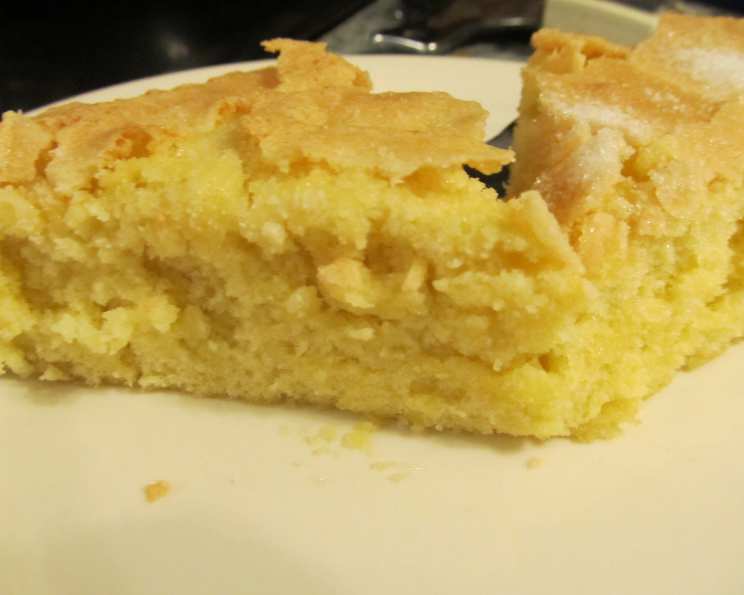
The Crackling Charm of New Zealand Billy Sponge
The scent of something baking always brings me back to my grandmother’s kitchen. Her coal range, a beast of cast iron, seemed to breathe life into every corner of the room. While she made many wonderful things, it was the simple joy of a slightly misshapen, sugar-crusted loaf that sticks in my mind. She called it Billy Sponge, a name that conjured images of pioneers and campfires, a taste of history baked right into the golden crumb. It wasn’t fancy, but its slightly chewy texture and the satisfying crackle of the sugar made it utterly irresistible, especially when slathered with homemade jam. I’m excited to share this recipe, hoping you’ll find the same comfort and charm I do in every bite.
Recipe Overview
- Prep Time: 15 minutes
- Cook Time: 35-40 minutes
- Total Time: 50-55 minutes
- Servings: 8-10
- Yield: 1 loaf
- Dietary Type: Not specified, contains gluten and eggs
Ingredients
- 4 large eggs
- 1 cup granulated sugar, plus extra for coating the tin
- 1 cup all-purpose flour
- ½ teaspoon baking powder
Equipment Needed
- 12×23 cm loaf tin (approximately 5×9 inches)
- Mixing bowl
- Electric mixer or whisk
- Spatula
- Wire rack
Instructions
- Begin by preparing your loaf tin. Generously grease the inside of the 12×23 cm loaf tin. Butter works best here, as it will contribute to the desired crackly sugar coating. Ensure you reach all the corners and edges.
- Once the tin is well-greased, sprinkle a generous amount of granulated sugar over the greased surfaces, coating the sides and the base completely. Tip the tin around to ensure even coverage, discarding any excess sugar. This step is crucial for creating the signature crackled crust of the Billy Sponge.
- In a large mixing bowl, beat the eggs using an electric mixer or a whisk until they become pale and fluffy. This may take several minutes. The goal is to incorporate plenty of air into the eggs, which will help create a light and airy texture.
- Gradually add the 1 cup of sugar to the beaten eggs, pouring it in slowly while continuing to beat the mixture. Ensure the sugar is fully incorporated and the mixture is smooth and glossy.
- In a separate bowl, whisk together the flour and baking powder. This ensures the baking powder is evenly distributed throughout the flour, preventing lumps and ensuring a uniform rise.
- Gently fold the flour and baking powder mixture into the egg and sugar mixture. Be careful not to overmix, as this can develop the gluten in the flour and result in a tough sponge. Fold until just combined, ensuring there are no streaks of flour remaining.
- Pour the batter into the prepared loaf tin, spreading it evenly.
- Sprinkle an additional layer of granulated sugar generously over the top of the batter. This sugar will caramelize during baking, creating the characteristic crunchy, crackled topping.
- Bake in a preheated oven at 180 degrees Celsius (350 degrees Fahrenheit) for 35-40 minutes, or until the top is golden and crunchy and the loaf is cooked through.
- To check for doneness, insert a skewer or toothpick into the center of the loaf. If it comes out clean, the sponge is ready. If there is wet batter on the skewer, continue baking for a few more minutes and check again.
- Once baked, remove the loaf tin from the oven and let it cool in the tin for a few minutes before inverting it onto a wire rack to cool completely. This prevents the sponge from sticking to the tin and allows it to cool evenly.
Expert Tips & Tricks
- Grease is Key: Don’t skimp on the greasing! A well-greased and sugared tin is essential for easy release and the signature crackled crust. Butter gives the best flavor and helps the sugar caramelize beautifully.
- Egg Power: Beating the eggs until pale and fluffy is crucial for the sponge’s light texture. Don’t rush this step – it’s the foundation of the entire loaf.
- Gentle Folding: Overmixing after adding the flour can lead to a tough sponge. Fold gently until just combined to maintain a tender crumb.
- Oven Sweet Spot: Every oven is different. Keep an eye on the sponge during the last 10 minutes of baking to ensure it doesn’t burn. If the top is browning too quickly, tent it with foil.
- Temperature Check: Ensure your ingredients are at room temperature for optimal mixing and even baking.
Serving & Storage Suggestions
The New Zealand Billy Sponge is best served slightly warm or at room temperature. Its simple flavor profile makes it incredibly versatile. As suggested by Jo Seagar, try it as a dessert with fresh or poached fruit and a dollop of ice cream or whipped cream. For a more substantial brunch or breakfast, serve it with crispy bacon, sliced bananas, and a generous drizzle of maple syrup. Some might enjoy it even with a simple lemon sauce!
To store leftovers, wrap the sponge tightly in plastic wrap or place it in an airtight container. It will keep at room temperature for 2-3 days or in the refrigerator for up to a week. If refrigerating, allow the sponge to come to room temperature before serving to restore its texture. You can also freeze the sponge for longer storage. Wrap it tightly in plastic wrap and then foil or place it in a freezer-safe container. It can be frozen for up to 2-3 months. Thaw completely before serving.
Nutritional Information
Note: Nutritional information is an estimate and can vary based on specific ingredients and portion sizes.
| Nutrient | Amount per Serving | % Daily Value |
|---|---|---|
| Calories | 250 kcal | 13% |
| Total Fat | 8g | 12% |
| Saturated Fat | 3g | 15% |
| Cholesterol | 150mg | 50% |
| Sodium | 50mg | 2% |
| Total Carbohydrate | 40g | 13% |
| Dietary Fiber | 0g | 0% |
| Sugars | 25g | – |
| Protein | 5g | 10% |
Variations & Substitutions
- Lemon Zest: Add the zest of one lemon to the batter for a bright, citrusy flavor.
- Vanilla Extract: Incorporate 1 teaspoon of vanilla extract for added warmth and aroma.
- Spiced Sponge: Add ½ teaspoon of ground cinnamon or mixed spice for a cozy, comforting twist.
- Almond Meal: Substitute ¼ cup of the flour with almond meal for a slightly nutty flavor and denser texture.
- Gluten-Free: Substitute the all-purpose flour with a gluten-free all-purpose flour blend. Be sure to check that your baking powder is also gluten-free. Note that the texture may be slightly different.
FAQs (Frequently Asked Questions)
Q: Why is it called “Billy Sponge”?
A: The name “Billy Sponge” refers to the traditional method of cooking this type of cake in a billy can over a campfire or in a camp oven, often used by pioneers and during camping trips.
Q: Can I use a different size loaf tin?
A: Yes, but you may need to adjust the baking time. A smaller tin may require a longer baking time, while a larger tin may bake faster. Keep a close eye on the sponge and check for doneness with a skewer.
Q: My sponge is browning too quickly on top. What can I do?
A: If the top is browning too quickly, tent it loosely with aluminum foil during the last 10-15 minutes of baking. This will prevent it from burning while allowing the inside to cook through.
Q: Can I add fruit to the batter?
A: Yes, you can add chopped dried fruit, such as raisins or cranberries, to the batter for added texture and flavor. About ½ cup should be sufficient.
Q: Why did my sponge sink in the middle?
A: This can happen if the oven temperature is too low, or if the sponge is not fully cooked. Also, opening the oven door frequently during baking can cause the sponge to collapse. Ensure your oven is properly preheated and avoid opening the door unnecessarily.
Final Thoughts
I sincerely hope this New Zealand Billy Sponge recipe brings a touch of simple joy to your kitchen, just as it has for my family for generations. Whether you’re enjoying it as a nostalgic treat or discovering it for the first time, its crackling sweetness and comforting texture are sure to please. Don’t be afraid to experiment with variations and make it your own. And, if you decide to bake this cake, please share your experience and feedback. Enjoy with a cup of tea or coffee, and savor the moment. Happy baking!