
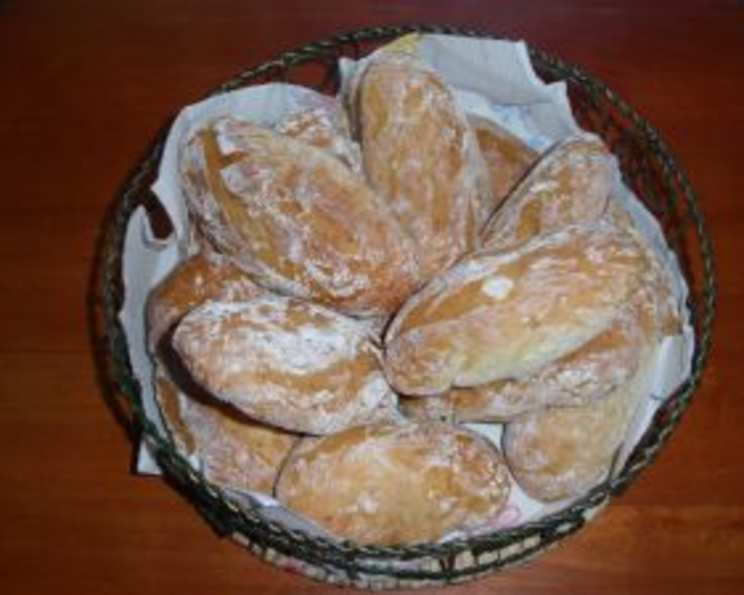
Next Door Lady’s Kringla (Norwegian)
The first time I tasted Kringla, I was seven years old and utterly captivated by the magic unfolding in Mrs. Olsen’s kitchen. Our next-door neighbor, with her twinkling blue eyes and flour-dusted apron, would always have a batch cooling on her countertop, their delicate, twisted forms radiating a warm, comforting aroma that seemed to seep into every corner of her home. That sweet, slightly tangy scent became synonymous with cozy afternoons and the unwavering kindness of a neighbor who always made me feel like one of her own grandchildren. Recreating her Kringla is more than just baking; it’s stepping back into a cherished memory.
Recipe Overview
- Prep Time: 20 minutes
- Cook Time: 12 minutes
- Total Time: 48 hours 12 minutes (includes chilling time)
- Yields: 24-36 pastries
- Dietary Type: Not specified
Ingredients
Liquids:
- 1/2 pint whipping cream
- 1/2 cup buttermilk
- 1 egg
Dry Ingredients:
- 1 cup sugar
- 3 cups flour
- 3 teaspoons baking powder
- 1 teaspoon baking soda
- 1 teaspoon vanilla extract (or 1 teaspoon lemon extract)
- Enough flour to cover your bread board or counter very well
Equipment Needed
- Large bowl
- Medium bowl
- Cookie sheets
- Measuring cups and spoons
- Bread board or counter
- Timer
Instructions
- In a large bowl, beat together the whipping cream, buttermilk, and egg until well combined.
- In a medium bowl, mix together the sugar, flour, baking powder, and baking soda until evenly distributed.
- Add the dry ingredients to the liquid ingredients and mix until just combined.
- Add either the vanilla extract or lemon extract to the dough and mix until incorporated.
- Cover the bowl tightly and refrigerate the dough overnight. This chilling period is crucial for the dough to firm up and develop its characteristic flavor.
- The next day, preheat your oven to 400 degrees Fahrenheit (200 degrees Celsius).
- The dough will be very sticky, so it’s important to liberally flour your bread board or counter. You’ll need quite a bit of flour to prevent the dough from sticking.
- Using a tablespoon, scoop out about a ‘golf ball size’ spoonful of dough.
- Drop the spoonful onto the floured surface and roll it around enough to get all the outside coated with a thin film of flour.
- Roll the dough into a thin rope, about 1/2 inch thick or slightly less.
- Grease your cookie sheets well to prevent the Kringla from sticking.
- Place the dough rope on the prepared cookie sheet and twist the ends over one another one time.
- Bring the loop at the top down over the twisted ends. This should create the figure-eight shape characteristic of Kringla.
- Place about 12 Kringla on each cookie sheet, leaving some space between them.
- Bake: Put the first cookie sheet on the lower rack (but not the very bottom) in your oven.
- Bake for 6 minutes (be exact – use a timer!).
- Transfer that sheet to the top rack of your oven (if you have an electric oven with the broiler on top, don’t put them too close to the heat).
- Bake for another 6 minutes (again, be precise!) and then remove them from the oven.
- The Kringla should be lightly browned on both the top and the bottom if your oven temperature is accurate. If they are browning too quickly, lower the oven temperature slightly. If they are not browning enough, you can leave them in for another minute or two, but watch them carefully to prevent burning.
Expert Tips & Tricks
- Don’t skimp on the flour when rolling the dough. This is key to preventing sticking and achieving the right texture. Keep a bowl of flour handy and add more as needed.
- Chilling the dough is non-negotiable. It allows the gluten to relax and the flavors to meld, resulting in a more tender and flavorful Kringla.
- Watch the baking time carefully. Ovens can vary, so pay close attention to the color of the Kringla. You want them to be lightly golden brown, not dark brown or burnt.
- If your dough is too sticky to handle, try adding a tablespoon or two of flour at a time until it becomes more manageable. But be careful not to add too much, as this can make the Kringla tough.
- For a richer flavor, you can use brown butter instead of melted butter. Just be sure to let the brown butter cool slightly before adding it to the other ingredients.
Serving & Storage Suggestions
Kringla are best enjoyed warm, fresh from the oven. Their delicate sweetness makes them the perfect accompaniment to a cup of coffee or tea. They can also be served as a light dessert after a meal.
To store Kringla, place them in an airtight container at room temperature. They will stay fresh for about 2-3 days. You can also freeze them for longer storage. To freeze, wrap them individually in plastic wrap and then place them in a freezer bag. They can be frozen for up to 2 months. To reheat, simply thaw them at room temperature and then warm them in a low oven for a few minutes.
Nutritional Information
| Nutrient | Amount per Serving | % Daily Value |
|---|---|---|
| Calories | 129.2 kcal | N/A |
| Calories from Fat | 36 kcal | N/A |
| Total Fat | 4.1 g | 6% |
| Saturated Fat | 2.4 g | 12% |
| Cholesterol | 22.6 mg | 7% |
| Sodium | 110.2 mg | 4% |
| Total Carbohydrate | 20.9 g | 6% |
| Dietary Fiber | 0.4 g | 1% |
| Sugars | 8.7 g | 34% |
| Protein | 2.2 g | 4% |
Variations & Substitutions
- Lemon Kringla: Substitute the vanilla extract with lemon extract for a bright, citrusy flavor. You can also add a teaspoon of lemon zest to the dough.
- Cardamom Kringla: Add 1/2 teaspoon of ground cardamom to the dry ingredients for a warm, aromatic spice.
- Gluten-Free Kringla: Substitute the all-purpose flour with a gluten-free flour blend. You may need to adjust the amount of liquid to achieve the right consistency.
- Vegan Kringla: Substitute the whipping cream with a plant-based cream alternative like coconut cream or cashew cream. Use a flax egg (1 tablespoon ground flaxseed mixed with 3 tablespoons water) instead of the egg.
FAQs (Frequently Asked Questions)
Q: Why is my Kringla dough so sticky?
A: Kringla dough is naturally quite sticky due to the high fat content from the cream and buttermilk. Generously flouring your work surface and hands is essential.
Q: Can I use regular milk instead of buttermilk?
A: While buttermilk adds a tangy flavor and tender texture, you can substitute it with regular milk. Add a teaspoon of lemon juice or vinegar to the milk to mimic the acidity of buttermilk.
Q: How can I prevent the Kringla from spreading too much during baking?
A: Ensuring the dough is properly chilled is key to preventing excessive spreading. Also, avoid overmixing the dough, as this can develop the gluten and lead to a flatter cookie.
Q: My Kringla are browning too quickly. What should I do?
A: If your Kringla are browning too quickly, lower the oven temperature by 25 degrees Fahrenheit (15 degrees Celsius). You can also tent the cookie sheet with foil to prevent further browning.
Q: Can I freeze Kringla dough?
A: Yes, you can freeze Kringla dough. Wrap it tightly in plastic wrap and then place it in a freezer bag. Thaw the dough overnight in the refrigerator before using.
Final Thoughts
Baking these Kringla is an act of love, a way to connect with a simpler time and the warmth of neighborly kindness. Don’t be discouraged if your first batch isn’t perfect; like Mrs. Olsen always said, practice makes perfect! Gather your ingredients, embrace the sticky dough, and let the comforting aroma of these twisted treats fill your home. I encourage you to try this recipe and create your own memories with this delightful Norwegian pastry. Share your creations and feedback – I’d love to hear how they turn out! Consider pairing these Kringla with a strong cup of Norwegian coffee for the ultimate comforting experience.