
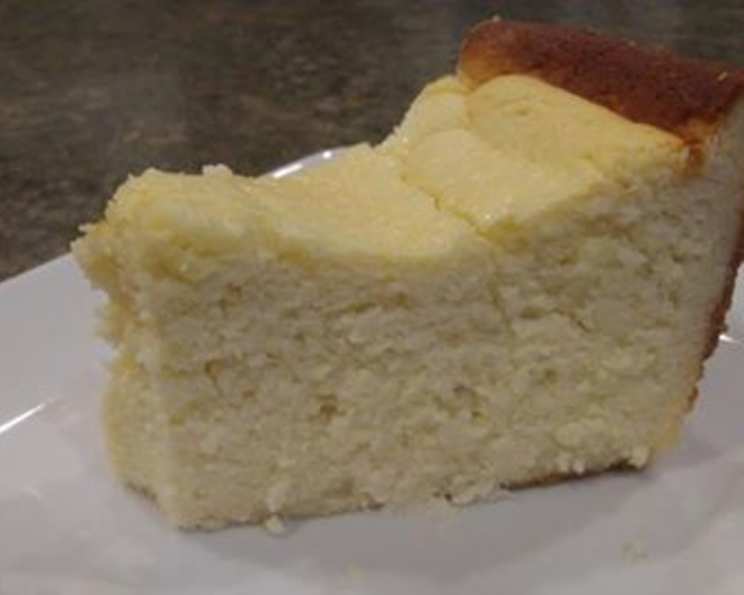
Nicole’s Italian Ricotta Cheesecake: A Crustless Delight
My grandmother, Nonna Emilia, wasn’t one for elaborate desserts. Her sweets were simple, rustic, and always made with love. I still remember the first time she presented her ricotta cheesecake – its slightly browned top, the faint scent of anise swirling in the air, and the unbelievably creamy texture that melted in my mouth. It was a revelation. Unlike the heavy, dense cheesecakes I knew, this one was light, airy, and utterly divine. To this day, one bite instantly transports me back to Nonna’s sun-drenched kitchen, filled with the warmth of family and the aroma of Italian cooking.
Recipe Overview
- Prep Time: 20 minutes
- Cook Time: 1 hour 15 minutes
- Total Time: 5 hours 35 minutes (includes chilling)
- Servings: 8
- Yield: 1 cheesecake
- Dietary Type: Gluten-Free (naturally)
Ingredients
- 1 (8 ounce) package cream cheese, softened
- 1 1/3 cups sugar
- 2 lbs whole milk ricotta cheese, drained well
- 1 cup sour cream
- 3 eggs
- 1 teaspoon vanilla extract
- 1 teaspoon anise extract
- 1/2 cup all-purpose flour
Equipment Needed
- Electric mixer (stand or hand-held)
- Measuring cups and spoons
- Rubber spatula
- 9-inch springform pan
- Oven
- Toothpick
Instructions
-
Preheat your oven to 425°F (220°C). Prepare your 9-inch springform pan by greasing it generously with butter or cooking spray and then flouring it lightly. This will ensure the cheesecake releases cleanly after baking.
-
In a large mixing bowl, using an electric mixer, beat the softened cream cheese and sugar together until light and fluffy. This usually takes about 2-3 minutes. Make sure there are no lumps of cream cheese remaining.
-
Add the ricotta cheese and sour cream to the creamed mixture. Whip until everything is completely smooth and well combined. The mixture should be creamy and homogenous. It’s crucial to use high-quality, well-drained ricotta for the best texture. If your ricotta seems watery, drain it in a cheesecloth-lined sieve for at least 30 minutes.
-
Mix in the eggs one at a time, ensuring each egg is fully incorporated before adding the next. Then, add the vanilla extract and anise extract. The anise extract provides a distinct Italian flavor, but if you’re not a fan, you can omit it or substitute with a different extract, such as lemon or almond.
-
Slowly add the flour to the mixture, mixing on low speed until just combined. Then, increase the speed to high and mix for a full three minutes. This step is crucial for creating a smooth and stable batter, preventing the cheesecake from cracking during baking.
-
Pour the batter into the prepared springform pan, spreading it evenly.
-
Bake in the preheated oven at 425°F (220°C) for 15 minutes. This initial high heat helps to set the edges of the cheesecake and prevent it from sinking in the center.
-
Reduce the oven temperature to 350°F (175°C) and continue to bake for 1 hour, or until the cheesecake is set and starting to brown on top. The center should still have a slight jiggle to it.
-
To check for doneness, insert a toothpick into the center of the cheesecake. If it comes out clean, or with just a few moist crumbs attached, the cheesecake is done. If the toothpick comes out wet with batter, bake for another 5-10 minutes and check again.
-
Once baked, turn off the oven and leave the cheesecake in the oven with the door slightly ajar for about an hour to cool gradually. This helps to prevent cracking as it cools.
-
Cool the cheesecake completely at room temperature. Then, refrigerate for at least 4 hours, or preferably overnight, before serving. This chilling time is essential for the cheesecake to firm up and develop its full flavor.
Expert Tips & Tricks
- Preventing Cracks: The key to preventing cracks is gradual cooling. Don’t rush the cooling process.
- Water Bath: While not strictly necessary for this recipe, baking the cheesecake in a water bath can help to create an even more creamy and moist texture. To do this, wrap the bottom of the springform pan tightly in aluminum foil, place it in a larger baking pan, and fill the outer pan with about an inch of hot water.
- Ricotta Cheese Quality: Using high-quality, whole milk ricotta cheese is crucial. Avoid using low-fat or skim ricotta, as they will result in a drier cheesecake.
- Flavor Enhancements: Experiment with adding other flavorings to the batter, such as citrus zest (lemon, orange), a splash of limoncello, or a pinch of cinnamon.
- Don’t Overbake: Overbaking is a common mistake that can lead to a dry and crumbly cheesecake. It’s better to err on the side of underbaking, as the cheesecake will continue to set as it cools.
Serving & Storage Suggestions
Serve Nicole’s Italian Ricotta Cheesecake chilled, either plain or with a dusting of powdered sugar. It’s also delicious with a dollop of fresh whipped cream, a drizzle of honey, or a scattering of fresh berries.
- Storage: Store leftover cheesecake in an airtight container in the refrigerator for up to 5 days.
- Freezing: You can also freeze the cheesecake for longer storage. Wrap it tightly in plastic wrap and then in aluminum foil, and freeze for up to 2 months. Thaw overnight in the refrigerator before serving.
- Room Temperature: Do not leave cheesecake at room temperature for more than 2 hours.
Nutritional Information
| Nutrient | Amount per Serving | % Daily Value |
|---|---|---|
| Calories | 425 kcal | 21% |
| Total Fat | 25g | 38% |
| Saturated Fat | 15g | 75% |
| Cholesterol | 150mg | 50% |
| Sodium | 200mg | 8% |
| Total Carbohydrate | 35g | 12% |
| Dietary Fiber | 0g | 0% |
| Sugars | 28g | – |
| Protein | 15g | 30% |
Variations & Substitutions
- Lemon Ricotta Cheesecake: Add the zest of 1 lemon to the batter for a bright and refreshing flavor.
- Chocolate Chip Ricotta Cheesecake: Fold in 1/2 cup of mini chocolate chips into the batter before baking.
- Orange Ricotta Cheesecake: Substitute orange zest for the anise extract, and add a tablespoon of orange liqueur for a more intense orange flavor.
- Gluten-Free Option: This cheesecake is naturally gluten-free, as it doesn’t have a crust. However, ensure that your flour is certified gluten-free if you have a gluten intolerance. You can also substitute almond flour for the all-purpose flour.
- Sweetener Alternative: If you’re looking to reduce the sugar content, you can substitute a portion of the sugar with a sugar substitute like erythritol or stevia, but be aware that this may slightly alter the texture and flavor.
FAQs (Frequently Asked Questions)
Q: Why is my cheesecake cracking?
A: Cracking is often caused by rapid temperature changes. Cool the cheesecake slowly by leaving it in the oven with the door ajar after baking. Also, avoid overbaking.
Q: Can I use low-fat ricotta cheese?
A: It’s best to use whole milk ricotta cheese for the creamiest texture. Low-fat ricotta may result in a drier cheesecake.
Q: How do I prevent the bottom of the springform pan from leaking?
A: Wrap the bottom of the springform pan tightly in heavy-duty aluminum foil before pouring in the batter.
Q: Can I make this cheesecake ahead of time?
A: Yes, this cheesecake is perfect for making ahead. In fact, it tastes even better after it has chilled in the refrigerator for at least 4 hours, or preferably overnight.
Q: What if I don’t like anise extract?
A: You can easily omit the anise extract or substitute it with vanilla extract, lemon zest, or almond extract.
Final Thoughts
Nicole’s Italian Ricotta Cheesecake is more than just a dessert; it’s a taste of tradition and a celebration of simple pleasures. I encourage you to try this recipe and experience the light, airy texture and delicate flavor that makes it so special. Don’t be afraid to experiment with different flavorings and make it your own. And if you do, please share your creations and feedback – I’d love to hear what you think! Pair it with a strong cup of espresso or a glass of Vin Santo for the ultimate Italian experience. Buon appetito!