
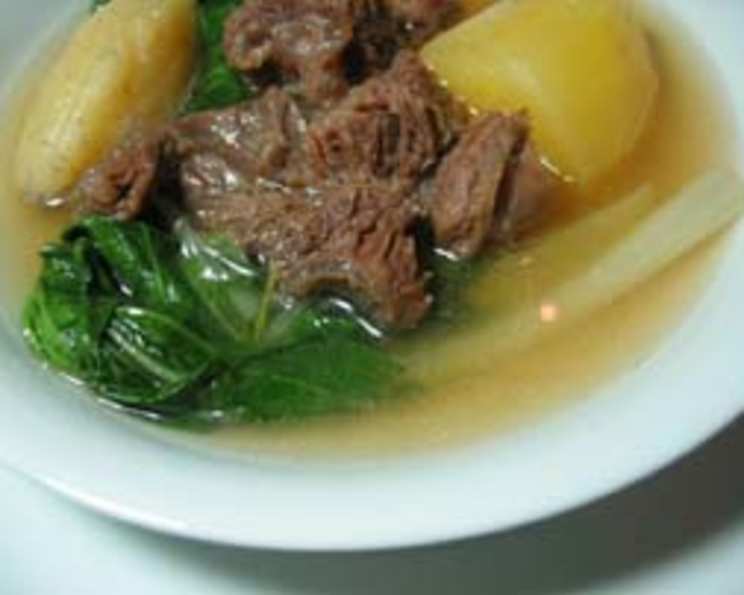
Nilagang Pata/Baka: A Taste of Home
The scent of Nilagang Pata always transports me back to my Lola’s kitchen. I remember huddling close to the stove, the humid Manila air momentarily forgotten in the warmth radiating from the simmering pot. Steam would fog the windows as Lola carefully ladled the clear broth, studded with tender pork and bright green vegetables, into waiting bowls. That simple soup, more than just a meal, was pure love and comfort poured into a dish, a taste of home that followed me across continents.
Recipe Overview
- Prep Time: 20 minutes
- Cook Time: 2 hours
- Total Time: 2 hours 20 minutes
- Servings: 4-6
- Yield: About 8 cups
- Dietary Type: None Specified
Ingredients
- 1 kg beef (for stewing) or 1 kg pork (for stewing), such as pata (pork leg)
- 4 small onions, diced
- ½ head garlic, minced
- 1 pinch salt and pepper
- 7 medium potatoes, cut to the same size as the beef or pork
- 10 pieces Chinese cabbage, cut into four
- 12 pieces bok choy, cut into 3
- 2 pieces corn on the cob, chopped (optional)
- 2 tablespoons patis (Asian fish sauce)
- 2 tablespoons oil
- Lemon or calamansi for serving
Equipment Needed
- Large soup pot or stockpot
- Cutting board
- Knife
- Ladle
Instructions
-
In a large soup pot or stockpot, heat the oil over medium heat. Add the minced garlic and diced onions. Sauté until the onions are softened and translucent, about 3-5 minutes.
-
Add the beef or pork to the pot and brown on all sides. This helps to develop a richer flavor in the broth.
-
Pour in enough water to completely cover the meat. Bring the mixture to a boil over high heat. Once boiling, immediately reduce the heat to low and simmer gently.
-
Simmer the meat until it is very tender, about 1 to 2 hours. The cooking time will depend on the cut of meat used. Pata (pork leg) may take longer to become tender. To check for doneness, pierce the meat with a fork; it should easily fall apart. Simmering it even longer results in a more flavorful broth.
-
As the broth simmers, skim off any scum or impurities that rise to the top of the pot using a ladle or spoon. This step is crucial for achieving a clear and clean-tasting broth. Discard the scum.
-
Once the meat is tender, add the potatoes. Bring the broth back to a boil and cook until the potatoes are tender, about 10-15 minutes.
-
Season the soup with salt, pepper, and patis. Start with a smaller amount of patis and adjust to taste, as it can be quite salty.
-
Reduce the heat to low and add the Chinese cabbage, bok choy, and corn on the cob (if using). Cook until the vegetables are just tender-crisp, about 5-7 minutes. Be careful not to overcook the vegetables, as they will become mushy. The vegetables should still have some bite to them.
-
Taste and adjust the seasoning as needed. Add more patis, salt, or pepper to your liking.
-
Serve hot with steamed rice. Offer soy sauce or additional patis and calamansi or lemon wedges on the side for guests to season their individual bowls to taste.
Expert Tips & Tricks
- For a richer broth: Brown the meat in the pot before adding the water. This adds depth and complexity to the flavor. Roasting the beef bones prior to simmering them in the broth will amplify the umami.
- Achieve a clear broth: Skimming the scum that rises to the surface during simmering is essential for a clean-tasting and visually appealing soup.
- Don’t overcook the vegetables: Add the vegetables towards the end of the cooking process to ensure they retain their texture and nutrients. Overcooked vegetables will become mushy and unappetizing.
- Spice it up: For a little heat, add a few slices of ginger or a chopped chili pepper to the broth while simmering.
- Make-ahead tip: The broth can be made ahead of time and stored in the refrigerator for up to 3 days. Add the vegetables just before serving.
Serving & Storage Suggestions
Nilagang Pata/Baka is best served hot, straight from the pot. Ladle the soup into bowls, ensuring each serving includes a generous portion of meat, vegetables, and broth. A side of steamed rice is a must for soaking up the flavorful broth. Offer soy sauce or patis and calamansi or lemon wedges on the side so that everyone can adjust the seasoning to their personal preference.
Leftovers can be stored in an airtight container in the refrigerator for up to 3 days. To reheat, gently warm the soup on the stovetop over medium heat until heated through. You can also reheat individual portions in the microwave.
Freezing is not recommended, as the vegetables may become mushy upon thawing. However, the broth itself can be frozen for up to 2 months.
Nutritional Information
(Estimated per serving, without rice)
| Nutrient | Amount per Serving | % Daily Value |
|---|---|---|
| Calories | 450 kcal | 23% |
| Total Fat | 25g | 38% |
| Saturated Fat | 10g | 50% |
| Cholesterol | 100mg | 33% |
| Sodium | 500mg | 21% |
| Total Carbohydrate | 25g | 8% |
| Dietary Fiber | 5g | 20% |
| Sugars | 5g | N/A |
| Protein | 30g | 60% |
Variations & Substitutions
- Vegetarian Nilaga: Substitute the meat with firm tofu or mushrooms. Use vegetable broth instead of water and fish sauce.
- Chicken Nilaga: Use chicken pieces instead of beef or pork. Adjust the cooking time accordingly, as chicken cooks faster.
- Sweet Potato Nilaga: Add sweet potatoes along with the regular potatoes for a slightly sweeter flavor.
- Spicy Nilaga: Add siling labuyo (small Thai chili peppers) or a dash of chili flakes for a spicy kick.
- Seafood Nilaga: Shrimp, mussels or clams are often added in coastal regions in place of (or in addition to) the meat.
- Bone Broth Upgrade: For a richer, more nutrient-dense broth, use beef bones instead of stew meat and simmer for up to 6 hours.
FAQs (Frequently Asked Questions)
Q: Can I use other types of vegetables?
A: Absolutely! Feel free to add other vegetables like green beans, carrots, or celery, depending on your preference and what’s available.
Q: How do I prevent the potatoes from getting mushy?
A: Add the potatoes about 30 minutes before you want to serve. Do not over boil.
Q: Can I use a pressure cooker to speed up the cooking process?
A: Yes, using a pressure cooker or Instant Pot can significantly reduce the cooking time for the meat. Follow the manufacturer’s instructions for pressure cooking beef or pork.
Q: Is patis essential for this recipe?
A: While patis adds a distinct umami flavor, you can substitute it with soy sauce or simply use salt to taste.
Q: How do I know when the beef or pork is tender enough?
A: The meat should be easily pierced with a fork and almost falling apart. If it’s still tough, continue simmering until it reaches the desired tenderness.
Final Thoughts
Nilagang Pata/Baka is more than just a soup; it’s a comforting embrace in a bowl. It’s a reminder of family gatherings, shared meals, and the simple pleasures of life. I encourage you to try this recipe and experience the warmth and heartiness of this classic Filipino dish. Don’t be afraid to adapt it to your liking and experiment with different vegetables and seasonings. And most importantly, share it with the people you love. Maligayang pagluluto! (Happy cooking!)