
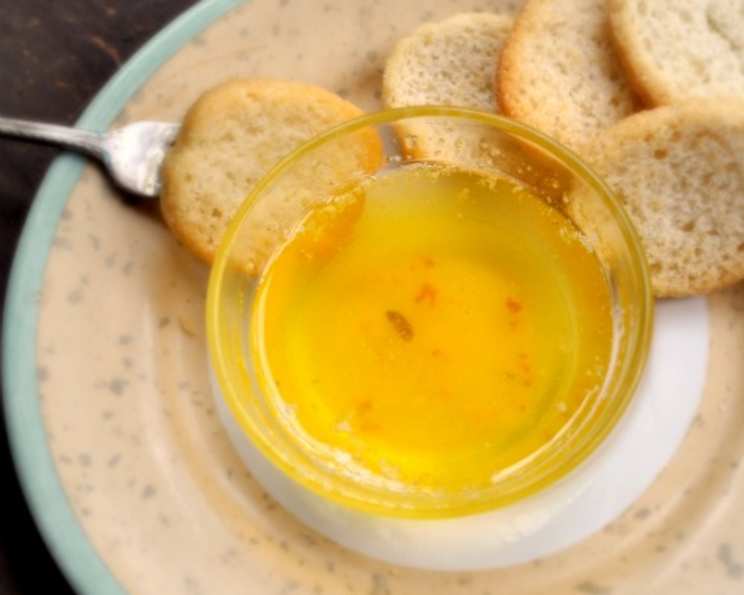
Niter Kibbeh: The Aromatic Heart of Ethiopian Cuisine
The first time I truly understood the power of niter kibbeh was during a bustling dinner at my neighbor’s home. The aroma alone was intoxicating – a warm, spiced fragrance that hinted at something deeply comforting and exotic. Every dish that emerged from the kitchen shimmered with a golden sheen, each bite infused with a complex flavor that I couldn’t quite place. It was niter kibbeh, the foundation upon which all the vibrant flavors of Ethiopian cuisine were built, that elevated the meal from simple sustenance to an unforgettable culinary experience.
Recipe Overview
- Prep Time: 10 minutes
- Cook Time: 1 hour
- Total Time: 1 hour 10 minutes
- Yield: 2 cups
- Dietary Type: Dairy-Based
Ingredients
- 1 lb unsalted butter
- ½ onion, chopped
- 2-3 garlic cloves, crushed
- 1 inch gingerroot, cut into ¼-inch slices
- 3-4 cardamom pods
- 1 cinnamon stick
- 3-4 whole cloves
- 1 teaspoon fenugreek seeds
- ½ teaspoon turmeric
Equipment Needed
- Small saucepan
- Cheesecloth (optional)
- Fine-mesh sieve (optional)
- Airtight container for storage
Instructions
-
Begin by placing the unsalted butter in a small saucepan. Set the saucepan over low heat and allow the butter to melt completely and gently. It’s crucial to use low heat to prevent the butter from burning and to allow the flavors of the spices to fully infuse.
-
Once the butter is melted, add the remaining ingredients: the chopped onion, crushed garlic cloves, sliced gingerroot, cardamom pods, cinnamon stick, whole cloves, fenugreek seeds, and turmeric.
-
Maintain the lowest possible heat setting on your stove and allow the mixture to simmer, uncovered, for approximately 1 hour. It’s essential to stir occasionally to prevent the solids from sticking to the bottom of the pan and burning. During this time, the butter will clarify, separating into its liquid and solid components. The spices will slowly release their aromatic oils, creating the distinctive flavor of niter kibbeh.
-
After simmering for an hour, carefully observe the butter. The milk solids will have settled to the bottom of the pan and should be lightly browned. The liquid on top should be clear and golden.
-
Remove the saucepan from the heat and allow it to cool slightly for about 10-15 minutes. This will make the next step safer and easier to manage.
-
Carefully pour the clear, golden liquid off the top of the pan, leaving all the solids behind. You can use a spoon to gently hold back the solids as you pour.
-
If you desire an even cleaner, more refined niter kibbeh, you can strain it through a cheesecloth-lined sieve or a fine-mesh sieve. This will remove any remaining tiny particles of milk solids or spices. This step is optional, but it results in a beautifully clear and smooth clarified butter.
-
Discard the solids remaining in the bottom of the pan. These solids have already imparted their flavor to the butter and are no longer needed.
-
Pour the niter kibbeh into an airtight container. Allow it to cool completely before sealing the container.
-
Store the niter kibbeh in the refrigerator or freezer. It will solidify as it cools. It’s ready to use in your favorite Ethiopian recipes!
Expert Tips & Tricks
- Quality of Butter: Start with the highest quality unsalted butter you can find. The flavor of the butter will directly impact the final taste of your niter kibbeh.
- Low and Slow: The key to perfect niter kibbeh is low and slow cooking. Rushing the process will result in burnt solids and a less flavorful butter.
- Spice Adjustment: Feel free to adjust the amount of spices to suit your personal taste. Some people prefer a stronger cardamom flavor, while others prefer a more pronounced ginger note.
- Don’t Burn the Solids: Monitor the simmering butter carefully to ensure the milk solids don’t burn. Burnt solids will impart a bitter taste to the niter kibbeh. If the solids start to brown too quickly, reduce the heat even further.
- Freezing for Freshness: Niter kibbeh freezes exceptionally well. Portion it into smaller containers or ice cube trays for easy use in recipes.
- Infusion Variations: Experiment with other spices like besobela (Ethiopian sacred basil), koseret (Ethiopian oregano-like herb), or ajwain seeds for unique flavor profiles.
Serving & Storage Suggestions
Niter kibbeh is a staple ingredient in Ethiopian cuisine and is used in a wide variety of dishes. It adds a rich, aromatic flavor to stews, vegetable dishes, and meat preparations. Use it in place of oil or butter in your favorite Ethiopian recipes, such as doro wat (chicken stew), gomen (collard greens), or kitfo (minced raw beef).
Store niter kibbeh in an airtight container in the refrigerator for up to 2 weeks or in the freezer for up to 3 months. When refrigerated, it will solidify. Simply scoop out the desired amount and melt it gently before use. Frozen niter kibbeh can be thawed in the refrigerator overnight or melted directly from frozen. It should not be stored at room temperature due to the presence of milk solids, which can spoil.
Nutritional Information
(Estimates based on using 1 lb of butter, values will vary based on specific ingredients and portion size.)
| Nutrient | Amount per Serving (1 tbsp) | % Daily Value |
|---|---|---|
| Calories | 120 kcal | 6% |
| Total Fat | 13.5g | 21% |
| Saturated Fat | 8.5g | 43% |
| Cholesterol | 33mg | 11% |
| Sodium | 1mg | 0% |
| Total Carbohydrate | 0g | 0% |
| Dietary Fiber | 0g | 0% |
| Sugars | 0g | 0% |
| Protein | 0g | 0% |
Variations & Substitutions
- Vegan Niter Kibbeh: While traditional niter kibbeh is made with butter, you can create a vegan version by using coconut oil or a high-quality vegan butter substitute. Use the same spices and follow the same cooking instructions.
- Spice Blends: Experiment with pre-made Ethiopian spice blends like berbere to add complexity to your niter kibbeh. Adjust the amount to your preference.
- Regional Variations: Different regions of Ethiopia have their own unique variations of niter kibbeh. Research regional recipes and incorporate spices specific to those areas.
- Herb Infusions: Add fresh herbs like rosemary, thyme, or sage to the butter while it simmers for a unique and aromatic twist.
- Ghee Alternative: Niter kibbeh is similar to ghee (Indian clarified butter). While the spices distinguish it, ghee can be used as a substitute in a pinch, though the flavor profile will be different.
FAQs (Frequently Asked Questions)
Q: Can I use salted butter instead of unsalted butter?
A: It’s best to use unsalted butter to control the salt level in your niter kibbeh. Salted butter can make the final product too salty, especially as the water evaporates during the clarification process.
Q: How do I know when the niter kibbeh is done?
A: The niter kibbeh is done when the milk solids at the bottom of the pan are lightly browned and the liquid on top is clear and golden. Be careful not to burn the solids, as this will impart a bitter taste.
Q: Can I store niter kibbeh at room temperature?
A: No, it’s not recommended to store niter kibbeh at room temperature due to the presence of milk solids, which can spoil. Store it in the refrigerator or freezer for longer shelf life.
Q: What can I do if my niter kibbeh tastes burnt?
A: If your niter kibbeh tastes burnt, unfortunately, it’s best to discard it. The burnt flavor is difficult to remove. Be more careful with the heat next time.
Q: Can I reuse the spices from the niter kibbeh?
A: While you could technically reuse the spices, they have already imparted most of their flavor to the butter and will be much less potent. It’s best to discard them.
Final Thoughts
Niter kibbeh is more than just clarified butter; it’s a flavorful foundation that elevates Ethiopian cuisine to new heights. Don’t be intimidated by the process – it’s surprisingly simple and the results are well worth the effort. So, gather your ingredients, embrace the aromas, and embark on a culinary adventure that will transport your taste buds to the heart of Ethiopia. I encourage you to try this recipe and share your feedback. Consider serving your niter kibbeh-infused dishes with injera, the traditional Ethiopian flatbread, for an authentic and unforgettable dining experience. Enjoy!