
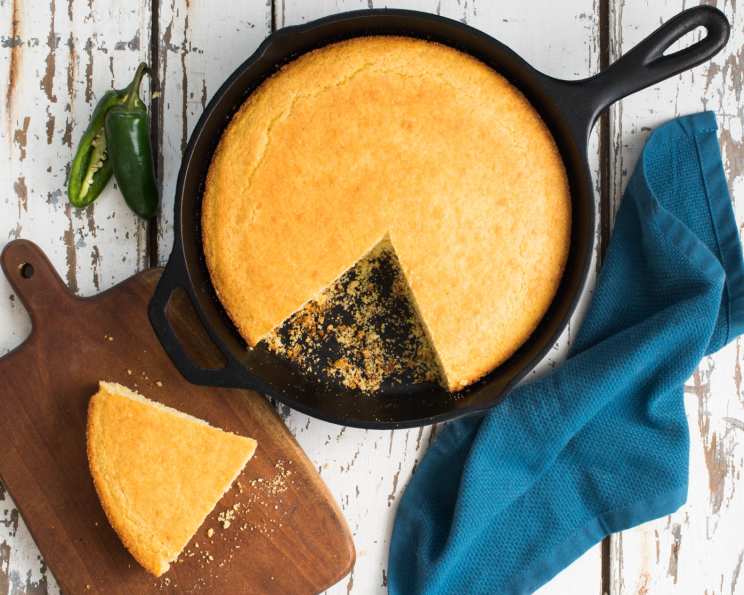
The Soulful Simplicity of No-Flour Cornbread
My earliest memories are filled with the aroma of baking cornbread, a scent so comforting it felt like a warm hug. My grandmother, a woman of few words but immense love, would always have a skillet of this golden goodness ready, especially on Sundays after church. It wasn’t just food; it was a symbol of home, family, and the simple joys of life. This no-flour cornbread recipe, passed down through generations, connects me to those cherished moments, a reminder of the love and tradition baked into every bite.
Recipe Overview
- Prep Time: 5 minutes
- Cook Time: 15-20 minutes
- Total Time: 20-25 minutes
- Servings: 8-12
- Yield: 1 (10-inch) cornbread
- Dietary Type: Gluten-Free
Ingredients
- 2 eggs
- 2 cups white cornmeal
- 2 cups buttermilk
- 1 teaspoon baking powder
- 1 teaspoon baking soda
- 1/4 cup bacon grease, plus extra for greasing
- Salt to taste (optional, depending on the saltiness of your bacon grease)
Equipment Needed
- Large mixing bowl
- Spoon or whisk
- 10-inch cast iron skillet
- Oven
- Icing spatula or flexible metal egg-turner (optional)
Instructions
-
Begin by preheating your oven to 425°F (220°C). This high heat is key to achieving a crispy crust and a tender interior.
-
In a large mixing bowl, combine the first five ingredients: the eggs, white cornmeal, buttermilk, baking powder, and baking soda. While the order isn’t critical, some cooks prefer to whisk the dry ingredients together first, then whisk the eggs into the buttermilk, before combining the wet and dry elements. This can help ensure even distribution of the leavening agents.
-
Mix all ingredients thoroughly with a large spoon or whisk until just combined. Avoid overmixing, as this can develop the gluten in the cornmeal (though there’s not much to develop in this recipe), resulting in a tougher cornbread. A few lumps are perfectly fine.
-
Now for the magic ingredient: bacon grease. Place your well-seasoned 10-inch cast iron skillet over medium-high heat. Add the 1/4 cup of bacon grease to the skillet.
-
Heat the bacon grease until it’s shimmering and just about to start smoking. This is crucial. The hot grease will give the cornbread a wonderful, crispy bottom crust. Carefully pour the hot bacon grease into the batter, stirring constantly as you pour. Be cautious, as it may splatter. Remember to leave just enough bacon grease in the skillet to thoroughly coat the bottom and sides.
-
Pour the entire batter into the hot, greased skillet. The batter should sizzle slightly as it hits the hot grease.
-
Place the skillet on the middle rack of the preheated oven. Bake for 15-20 minutes, or until the cornbread is golden brown, springy to the touch in the center, and pulling away slightly from the sides of the skillet. The exact baking time may vary depending on your oven.
-
Remove the skillet from the oven and carefully invert it over a serving plate. If the cornbread doesn’t drop out easily, gently run an icing spatula or a flexible metal egg-turner around the edges and under the cornbread to loosen it.
-
Serve hot and enjoy with your favorite topping!
Expert Tips & Tricks
- The Hot Skillet Secret: Preheating the cast iron skillet with the bacon grease is non-negotiable. This creates a beautifully crisp crust that’s the hallmark of good cornbread.
- Bacon Grease Alternatives: While bacon grease is traditional and adds fantastic flavor, you can substitute with other fats like melted butter, lard, or even vegetable oil. However, the flavor profile will be slightly different.
- Buttermilk Substitute: If you don’t have buttermilk on hand, you can make a quick substitute by adding 1 tablespoon of white vinegar or lemon juice to a liquid measuring cup, then filling it with milk to equal 2 cups. Let it sit for 5 minutes to curdle slightly before using.
- Seasoning: If your bacon grease isn’t very salty, consider adding a pinch of salt to the batter.
- Sweetness: This recipe is intentionally unsweetened, allowing the corn flavor to shine through. If you prefer a sweeter cornbread, add 1-2 tablespoons of sugar to the batter. Be aware, though, purists (like me!) will argue it’s no longer cornbread!
Serving & Storage Suggestions
Serve this no-flour cornbread hot, straight from the skillet, for the best flavor and texture. It’s delicious on its own with a pat of butter or alongside hearty dishes like chili, stew, pulled pork, or collard greens.
Leftover cornbread can be stored at room temperature for up to 2 days in an airtight container. For longer storage, refrigerate for up to 5 days or freeze for up to 2 months.
To reheat, wrap the cornbread in foil and warm it in a 350°F (175°C) oven for about 10-15 minutes, or until heated through. You can also microwave individual slices for a quicker reheat, but the texture won’t be quite as good.
Nutritional Information
| Nutrient | Amount per Serving | % Daily Value |
|---|---|---|
| Calories | 210.9 kcal | N/A |
| Calories from Fat | 83 g | 39% |
| Total Fat | 9.2 g | 14% |
| Saturated Fat | 3.4 g | 17% |
| Cholesterol | 55.1 mg | 18% |
| Sodium | 305.1 mg | 12% |
| Total Carbohydrate | 26.6 g | 8% |
| Dietary Fiber | 2.2 g | 8% |
| Sugars | 3.2 g | N/A |
| Protein | 6.1 g | 12% |
Note: Nutritional information is an estimate and may vary depending on specific ingredients and portion sizes.
Variations & Substitutions
- Cheese Cornbread: Add 1 cup of shredded cheddar or Monterey Jack cheese to the batter for a cheesy twist.
- Jalapeño Cornbread: Stir in 1/4 cup of diced jalapeños for a spicy kick.
- Herb Cornbread: Mix in 2 tablespoons of chopped fresh herbs like rosemary, thyme, or chives for added flavor.
- Vegan Cornbread: Substitute the eggs with flax eggs (1 tablespoon ground flaxseed mixed with 3 tablespoons water per egg) and use plant-based buttermilk. Ensure the bacon grease is also substituted with a plant-based oil.
- Sweet Corn Kernels: Add 1 cup of sweet corn kernels (fresh, frozen, or canned) to the batter for extra sweetness and texture.
FAQs (Frequently Asked Questions)
Q: Why is this called “no-flour” cornbread?
A: Because it relies solely on cornmeal for its structure, unlike many cornbread recipes that include all-purpose flour. This makes it naturally gluten-free.
Q: Can I use yellow cornmeal instead of white cornmeal?
A: Absolutely! Yellow cornmeal will work just as well and provide a slightly different flavor and color.
Q: What if I don’t have a cast iron skillet?
A: While a cast iron skillet is ideal for creating a crispy crust, you can also use a regular baking dish, like a cake pan or a square baking pan. Just be sure to grease it well. The crust won’t be quite as crisp, but it will still be delicious.
Q: Can I make this recipe ahead of time?
A: While cornbread is best served fresh, you can prepare the batter a few hours in advance and store it in the refrigerator. Just be sure to give it a good stir before pouring it into the skillet and baking.
Q: Why did my cornbread turn out dry?
A: Overbaking is the most common cause of dry cornbread. Be sure to check it for doneness after 15 minutes, and don’t overbake it. Also, ensure you are using enough buttermilk to create a moist batter.
Final Thoughts
This no-flour cornbread recipe is more than just a set of instructions; it’s a connection to the past, a celebration of simple ingredients, and a reminder that the most comforting foods are often the easiest to make. I encourage you to try this recipe, embrace the tradition, and make it your own. Add your favorite flavors, experiment with different variations, and share it with the people you love. Let me know how it turns out, and what dishes you like to pair it with. Happy baking!