
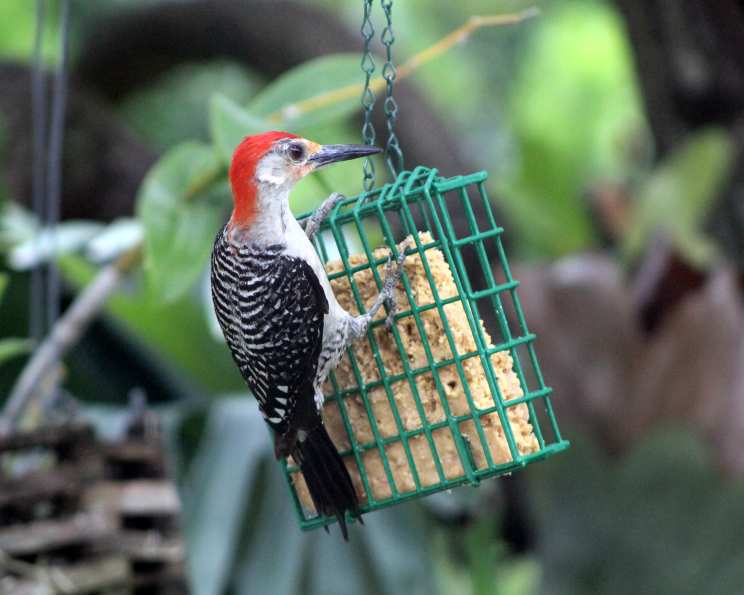
No-Melt Suet for Year-Round Bird Feeding
I still remember the first time I saw a vibrant cardinal perched on the suet feeder my grandfather had crafted by hand. It was a snowy winter morning, and the bright red bird against the stark white backdrop was a picture postcard come to life. He taught me that day the importance of providing sustenance for our feathered friends, especially when the weather turns harsh. But suet in summer? That was a whole different ballgame – a melty, messy ballgame! That’s why I’m so excited to share this no-melt suet recipe, perfect for keeping your backyard birds happy no matter the season.
Recipe Overview
- Prep Time: 10 minutes
- Cook Time: 5 minutes
- Total Time: 15 minutes
- Yields: Approximately 5 cups
- Dietary Type: High-Energy
Ingredients
- 2 cups quick-cooking oats
- 2 cups cornmeal
- 1 cup lard (do not use bacon grease)
- 1 cup crunchy peanut butter
- Some bird seed, preferably without shells
Equipment Needed
- Microwave-safe bowl or saucepan
- Mixing bowl
- Spoon or spatula
- Ziplock bags or square pan (approximately 2 inches deep)
- Suet feeder (screen type recommended)
- Cookie scoop (optional)
Instructions
- Begin by melting the lard and peanut butter together. You can do this either on the stovetop in a saucepan over low heat, or in the microwave in a microwave-safe bowl. If microwaving, heat in 30-second intervals, stirring in between, until completely melted and smooth. Be careful not to overheat!
- In a separate, large mixing bowl, combine all of the dry ingredients: the quick-cooking oats, cornmeal, and bird seed. Mix thoroughly to ensure even distribution.
- Pour the melted lard and peanut butter mixture over the dry ingredients in the mixing bowl.
- Using a spoon or spatula, thoroughly combine the wet and dry ingredients. Stir until everything is evenly coated and the mixture is well-incorporated. It should resemble a crumbly dough.
- Now, it’s time to decide how you want to present your no-melt suet. The original recipe suggests pouring the mixture into a square pan, about 2 inches deep, to create suet cakes. You can also spread it directly onto tree limbs for the birds to peck at. However, I prefer to store the mixture in ziplock containers.
- If storing in ziplock bags, scoop out portions as needed to fill a screen-type suet feeder. I find that using a cookie scoop helps to portion the suet easily.
- After scooping, mash and break up the individual scoops. This discourages squirrels from taking an entire scoop at once, making it last longer and ensuring more birds get a chance to feed.
Expert Tips & Tricks
- Lard is key: It’s tempting to use bacon grease for added flavor, but resist! The salt content in bacon grease isn’t good for birds, and it can also cause the suet to become too soft in warmer temperatures. Stick to plain, rendered lard for the best results.
- Temperature control: When melting the lard and peanut butter, keep a close eye on them to prevent burning. Burnt fats can give the suet an unpleasant taste and odor.
- Birdseed selection: Choose a birdseed mix that is appropriate for the types of birds you want to attract. Avoid mixes with a lot of filler seeds, like red millet, which many birds won’t eat. Black oil sunflower seeds are a great choice, as they are high in fat and attract a wide variety of birds.
- Seasonal adjustments: While this recipe is designed to withstand warmer temperatures, you can adjust the ingredients slightly depending on the season. In the winter, you might add extra birdseed for added energy.
- Squirrel deterrent: To further discourage squirrels, consider adding a pinch of cayenne pepper to the suet mixture. Birds are not sensitive to capsaicin (the compound that makes peppers spicy), but squirrels are!
Serving & Storage Suggestions
Serve the no-melt suet in a screen-type suet feeder, hanging it from a tree branch or shepherd’s hook. Ensure the feeder is placed in a location that is easily accessible to birds but relatively safe from predators like cats.
When stored in ziplock bags or an airtight container, the no-melt suet will keep for several weeks at room temperature, especially in cooler climates. In warmer climates, it’s best to store it in the refrigerator to prevent it from becoming too soft. It can also be frozen for longer-term storage. Simply thaw it in the refrigerator before using.
Nutritional Information
Please note that these values are estimates and may vary based on specific ingredient brands and quantities of birdseed used.
| Nutrient | Amount per Serving (Approximate) | % Daily Value (for Humans) |
|---|---|---|
| Calories | 974 kcal | 49% |
| Calories from Fat | 636 kcal | N/A |
| Total Fat | 70.7 g | 109% |
| Saturated Fat | 20.9 g | 105% |
| Cholesterol | 39.2 mg | 13% |
| Sodium | 331.7 mg | 14% |
| Total Carbohydrate | 70.6 g | 24% |
| Dietary Fiber | 11 g | 44% |
| Sugars | 5 g | N/A |
| Protein | 20.6 g | 41% |
Variations & Substitutions
- Seed Variety: Experiment with different types of birdseed to cater to specific bird preferences. Sunflower seeds, Nyjer seeds, and white millet are all popular choices. You can even add dried fruit or chopped nuts for extra variety.
- Nut-Free Version: If you have concerns about nut allergies (though birds are generally fine with peanuts), you can substitute the peanut butter with sunflower seed butter or tahini (sesame seed paste).
- Spice it up: Adding a pinch of cayenne pepper is a great way to deter squirrels, as mentioned earlier.
- Fruit Infusion: Incorporate dried cranberries, blueberries, or other small dried fruits for an added boost of vitamins and antioxidants.
FAQs (Frequently Asked Questions)
Q: Will this suet really not melt in the summer?
A: While it’s called “no-melt,” it’s more accurate to say it’s highly resistant to melting. This recipe is designed to hold its shape better than traditional suet, but extreme heat can still soften it.
Q: Is lard safe for birds?
A: Yes, plain, rendered lard is a good source of energy for birds, especially during the colder months. Just be sure to use unsalted lard and avoid bacon grease.
Q: Can I use margarine instead of lard?
A: It’s best to stick with lard, as margarine can contain unhealthy additives. Lard is a more natural and energy-rich option.
Q: How often should I refill the suet feeder?
A: The frequency of refills depends on the number of birds visiting your feeder. Check the feeder regularly and refill it when it’s about half empty.
Q: Can I add raisins to the suet?
A: Yes, birds enjoy raisins. Chop them into small pieces before adding them to the mixture. Make sure they are unsulfured.
Final Thoughts
I encourage you to give this no-melt suet recipe a try and experience the joy of attracting a variety of beautiful birds to your backyard. The satisfaction of providing a healthy and sustaining food source for these creatures is truly rewarding. Feel free to experiment with different variations and find what works best for the birds in your area. And don’t hesitate to share your feedback and experiences with me – I’d love to hear about the feathered friends you’ve attracted with your homemade suet!