
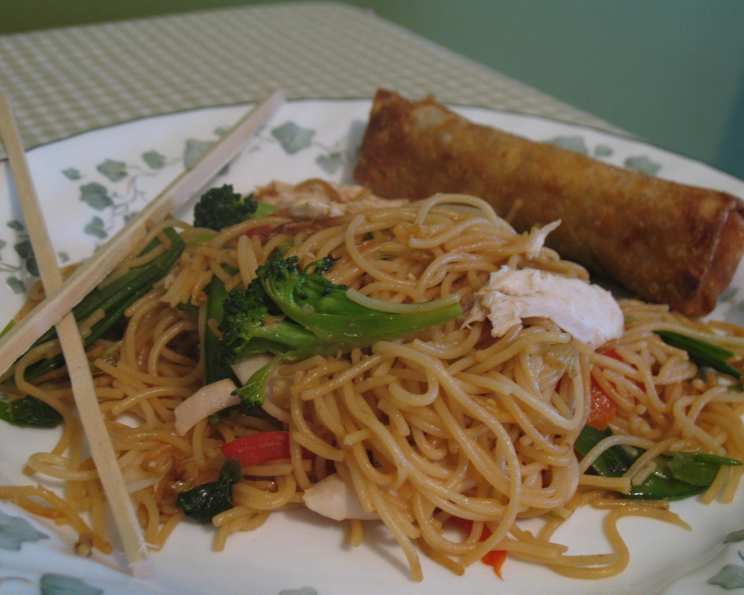
No-Pain Lo Mein: A Culinary Quick-Step
The scent of ginger and garlic sizzling in a wok has always been a comfort, a flavor memory etched from late college nights. My roommate, bless her heart, had a knack for burning water, but even she could manage a passable lo mein, a feat that saved us from many a ramen-fueled evening. The beauty was in its simplicity, the speed with which vibrant flavors could be coaxed from humble ingredients, transforming basic noodles into a satisfying, slurpable supper. Now, years later, that memory fuels my desire to bring that same weeknight magic into my own kitchen, this time with a recipe that kicks it up a notch.
Recipe Overview
- Prep Time: 10 minutes
- Cook Time: 10 minutes
- Total Time: 20 minutes
- Servings: 4
- Dietary Type: Vegetarian (Easily adaptable to include meat)
Ingredients
- 2 tablespoons vegetable oil or wok oil
- 1 cup snow peas, halved on a diagonal
- 1 red bell pepper, seeded and cut into matchstick-size pieces
- 1/2 lb assorted mushrooms, coarsely chopped, if necessary (shiitake, straw, enoki, or oyster)
- 4 scallions, thinly sliced on a diagonal
- 2 cups fresh bean sprouts
- 2 inches fresh gingerroot, minced or grated with a hand grater
- 4 garlic cloves, minced
- 1 lb lo mein noodles or 1 lb thin spaghetti, cooked to al dente and drained well
- 1/2 cup aged tamari soy sauce
- 1 tablespoon toasted sesame oil, plus several drops for garnish
Equipment Needed
- Wok-shaped skillet or large non-stick skillet
- Grater or Microplane for ginger
- Cutting board
- Chef’s knife
- Large mixing spoon or spatula
Instructions
-
Heat a wok-shaped skillet or large non-stick skillet over high heat. The key here is a hot pan; this allows for quick cooking and prevents the vegetables from becoming soggy.
-
When the pan is very hot – it should almost be smoking – add the oil. It will smoke a bit, which is perfectly normal at high heat.
-
Immediately add the snow peas, red bell pepper, mushrooms, scallions, and bean sprouts. Time is of the essence! The veggies should sizzle on contact.
-
Stir-fry for 1 minute to flavor the oil. This initial sizzle releases the aromatic compounds of the vegetables, infusing the oil with their essence.
-
Add the ginger and garlic, and stir-fry for 2 minutes. Be vigilant; minced garlic burns quickly. Keep everything moving in the wok to prevent burning. This step builds a fragrant base for the entire dish.
-
Add the cooked noodles and toss to combine with the vegetables. Ensure the noodles are cooked to al dente (slightly firm to the bite). Overcooked noodles will become mushy during stir-frying.
-
Add the soy sauce and toss the ingredients to coat the noodles evenly with the sauce. Taste and adjust the seasoning if needed. Some soy sauces are saltier than others.
-
Transfer the lo mein to a serving platter and garnish with a drizzle of toasted sesame oil. A few drops of toasted sesame oil add a nutty aroma and depth of flavor.
Expert Tips & Tricks
- Prep is key: Have all your vegetables chopped and ready to go before you even turn on the heat. This allows you to work quickly and efficiently once you start cooking.
- High Heat is Your Friend: Don’t be afraid of the high heat. It’s essential for getting that characteristic wok flavor and preventing the vegetables from becoming waterlogged.
- Don’t overcrowd the pan: If you’re making a large batch, cook the lo mein in two batches to avoid overcrowding the pan, which will lower the temperature and result in steamed, rather than stir-fried, vegetables.
- Noodle Know-How: If you can’t find lo mein noodles, thin spaghetti works perfectly well as a substitute. Just be sure to cook them al dente.
- Vegetable Variety: Feel free to use any combination of vegetables you like. Broccoli florets, shredded carrots, or sliced bok choy would all be delicious additions.
- Wok Oil Advantage: While not strictly necessary, wok oil, often infused with ginger and garlic, can elevate the flavor profile of your lo mein, offering a more authentic taste experience.
Serving & Storage Suggestions
Serve the No-Pain Lo Mein immediately for the best flavor and texture. This dish is best enjoyed hot, but leftovers can be stored in an airtight container in the refrigerator for up to 3 days. To reheat, you can microwave it, but for optimal results, stir-fry it in a pan with a little bit of oil or broth to prevent it from drying out. Freezing is not recommended as the noodles tend to become mushy upon thawing.
Nutritional Information
| Nutrient | Amount per Serving | % Daily Value |
|---|---|---|
| Calories | 771.9 kcal | N/A |
| Calories from Fat | 413g | 54% |
| Total Fat | 46 g | 70% |
| Saturated Fat | 6.5 g | 32% |
| Cholesterol | 0 mg | 0% |
| Sodium | 2565 mg | 106% |
| Total Carbohydrate | 78.7 g | 26% |
| Dietary Fiber | 8 g | 31% |
| Sugars | 6.6 g | N/A |
| Protein | 18.2 g | 36% |
Note: Nutritional information is an estimate and may vary based on specific ingredients and portion sizes.
Variations & Substitutions
- Protein Boost: Add cooked shredded pork, chicken, or small deveined shrimp to the dish for a protein boost. Tofu or tempeh are great vegetarian additions.
- Spicy Kick: Add a pinch of red pepper flakes or a drizzle of sriracha to the dish for a spicy kick.
- Gluten-Free Option: Use gluten-free tamari soy sauce and gluten-free noodles to make this dish gluten-free.
- Veggie Power: Add other vegetables, such as sliced mushrooms or diced water chestnuts, for extra nutrients.
- Sweet and Sour: Add a splash of rice vinegar and a touch of brown sugar for a sweet and sour twist.
FAQs (Frequently Asked Questions)
Q: Can I use regular soy sauce instead of tamari?
A: Yes, you can use regular soy sauce, but tamari has a richer, less salty flavor. If using regular soy sauce, start with less and add more to taste.
Q: What if I don’t have a wok?
A: A large non-stick skillet works just as well. The key is to use a pan with a large surface area to ensure even cooking.
Q: Can I make this ahead of time?
A: While it’s best served immediately, you can prep the vegetables ahead of time and store them in the refrigerator until you’re ready to cook.
Q: How can I prevent the noodles from sticking together?
A: Toss the cooked noodles with a little bit of oil before adding them to the wok. This will help prevent them from sticking together.
Q: Can I use frozen vegetables?
A: Fresh vegetables are best, but frozen vegetables can be used in a pinch. Just be sure to thaw them completely and pat them dry before adding them to the wok.
Final Thoughts
So there you have it: No-Pain Lo Mein, a dish designed for busy weeknights and flavor-craving palates. It’s a celebration of fresh ingredients, vibrant colors, and satisfying textures, all brought together in a matter of minutes. Don’t hesitate to experiment with different vegetables, proteins, or sauces to make it your own. And remember, cooking should be fun, so relax, enjoy the process, and get ready to slurp your way to deliciousness! If you try this recipe, let me know how it turns out. It pairs nicely with a crisp Asian-style salad or a refreshing glass of iced green tea.