
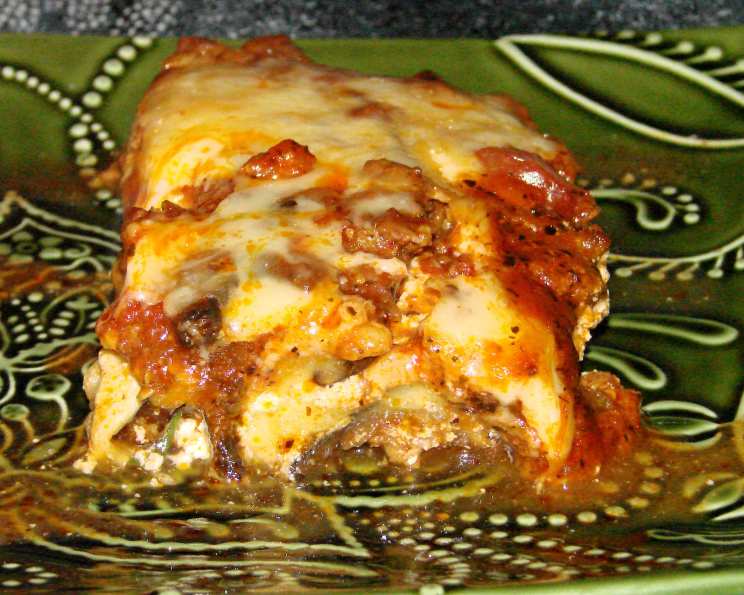
No Pasta Vegetable Lasagna: A Light and Flavorful Delight
I remember one particularly sweltering summer in Tuscany, helping my grandmother prepare our family’s weekly lasagna. The heat was stifling, even in her stone-walled kitchen, and the thought of heavy pasta layers felt almost unbearable. That’s when Nonna, with a twinkle in her eye, unveiled her secret: thinly sliced eggplant, standing in for the traditional noodles. The result was lighter, brighter, and bursting with garden-fresh flavors. This No Pasta Vegetable Lasagna is my homage to that cherished memory, a guilt-free indulgence that captures the essence of Italian summer.
Recipe Overview
- Prep Time: 25 minutes
- Cook Time: 65 minutes
- Total Time: 1 hour 30 minutes
- Servings: 9
- Yield: 1 lasagna
- Dietary Type: Gluten-Free
Ingredients
- 2 large eggplants
- 1 teaspoon kosher salt, divided
- ½ teaspoon freshly ground black pepper, divided
- 1 lb reduced-fat ricotta cheese
- 1 egg white
- 1 tablespoon minced fresh chives (or scallions)
- 2 ½ cups pasta sauce (store-bought jarred or homemade)
- 1 cup shredded reduced-fat mozzarella cheese
- ¼ cup grated parmesan cheese
Equipment Needed
- Baking sheet
- Oblong baking dish (approximately 13 x 9 inches)
- Fork
- Aluminum foil
Instructions
-
Begin by preheating your oven to 425°F (220°C). This initial high heat will help the eggplant slices release some of their moisture and develop a slightly caramelized exterior.
-
Prepare the eggplants. Slice them lengthwise into long, ¼-inch thick strips. Aim for uniform slices to ensure even cooking. A mandoline slicer can be helpful for achieving this, but a sharp knife works just as well.
-
Season the eggplant slices generously. In a small bowl, combine ½ teaspoon of the kosher salt and ¼ teaspoon of the freshly ground black pepper. Sprinkle this mixture evenly over both sides of the eggplant strips. The salt will draw out excess moisture, contributing to a less soggy final product, while the pepper adds a subtle warmth.
-
Arrange the seasoned eggplant strips on a nonstick or lightly greased baking sheet. Ensure the slices are not overcrowded, as this can lead to steaming rather than roasting. If necessary, use two baking sheets.
-
Bake the eggplant strips for 5-7 minutes on each side. Keep a close eye on them, as oven temperatures can vary. The goal is to achieve a slightly softened texture and a light golden-brown color. You can also grill the vegetable strips on an outdoor grill or a grill pan on the stovetop for a smoky flavor.
-
Once the eggplant strips are cooked, reduce the oven temperature to 350°F (175°C). This lower temperature is ideal for baking the lasagna without burning the top.
-
Prepare the ricotta cheese mixture. In a medium bowl, combine the reduced-fat ricotta cheese, egg white, minced fresh chives (or scallions), and the remaining ½ teaspoon of kosher salt and ¼ teaspoon of freshly ground black pepper. Use a fork to thoroughly mix all the ingredients until well combined. The egg white acts as a binder, helping the ricotta mixture hold its shape during baking. The chives add a fresh, herbaceous note that complements the richness of the cheese.
-
Begin assembling the lasagna. Spread 1 ½ cups of the pasta sauce evenly on the bottom of the oblong baking dish (approximately 13 x 9 inches). This layer of sauce prevents the bottom eggplant slices from sticking and adds a crucial layer of moisture and flavor.
-
Place a single layer of the baked or grilled eggplant strips on top of the pasta sauce, overlapping them slightly as needed to cover the entire surface of the dish.
-
Evenly spread half of the prepared ricotta cheese mixture on top of the eggplant layer. Use a spoon or spatula to distribute the ricotta smoothly and evenly.
-
Place another layer of eggplant strips on top of the ricotta cheese mixture, again overlapping them slightly to cover the entire surface.
-
Spread the remaining ricotta cheese mixture evenly over the second eggplant layer.
-
Top with the remaining eggplant strips, creating a final layer of vegetables.
-
Pour the remaining pasta sauce over the eggplant layers, ensuring that the sauce is evenly distributed. This top layer of sauce will help keep the eggplant moist during baking.
-
Evenly distribute the shredded reduced-fat mozzarella cheese and grated parmesan cheese on top of the pasta sauce. The mozzarella will melt into a gooey, bubbly layer, while the parmesan will add a salty, savory note.
-
Cover the baking dish tightly with aluminum foil. This helps to trap moisture and prevent the top from browning too quickly.
-
Bake the lasagna in the preheated oven for 1 hour.
-
Remove the foil and bake for an additional 5-10 minutes, or until the cheese is melted, bubbly, and lightly golden brown. Keep a close eye on it to prevent burning.
-
Remove the lasagna from the oven and let it rest for at least 10-15 minutes before slicing and serving. This allows the lasagna to set, making it easier to cut and serve.
Expert Tips & Tricks
- Salting the Eggplant: Don’t skip the step of salting the eggplant slices! This is crucial for drawing out excess moisture and preventing the lasagna from becoming watery. If you have extra time, let the salted eggplant sit for 30 minutes to an hour before patting it dry and proceeding with the recipe.
- Pre-Cooking the Eggplant: While baking the eggplant works, grilling it imparts a wonderful smoky flavor that elevates the entire dish. If grilling, lightly brush the eggplant slices with olive oil before placing them on the grill.
- Cheese Choice: Feel free to experiment with different cheeses. Provolone or fontina would be delicious additions or substitutions for the mozzarella.
- Sauce Matters: The quality of your pasta sauce will greatly impact the flavor of the lasagna. Use a high-quality store-bought sauce or, even better, make your own from scratch.
- Make-Ahead Magic: This lasagna can be assembled ahead of time and stored in the refrigerator for up to 24 hours before baking. Add an extra 10-15 minutes to the baking time if baking from cold.
Serving & Storage Suggestions
Serve the No Pasta Vegetable Lasagna warm, garnished with a sprinkle of fresh basil or parsley, if desired. It pairs well with a side salad and a crusty loaf of bread. Leftovers can be stored in an airtight container in the refrigerator for up to 3 days. To reheat, cover the lasagna with foil and bake in a preheated oven at 350°F (175°C) until heated through, or microwave individual portions until warm. The lasagna can also be frozen for up to 2 months. Thaw overnight in the refrigerator before reheating.
Nutritional Information
| Nutrient | Amount per Serving | % Daily Value |
|---|---|---|
| Calories | 144 kcal | – |
| Total Fat | 4g | – |
| Saturated Fat | 0.8 g | – |
| Cholesterol | 2.4 mg | – |
| Sodium | 578.9 mg | – |
| Total Carbohydrate | 15 g | – |
| Dietary Fiber | 4.5 g | – |
| Sugars | 9.1 g | – |
| Protein | 4.1 g | – |
Note: Nutritional information is an estimate and may vary depending on specific ingredients and portion sizes.
Variations & Substitutions
- Vegan Option: Substitute the ricotta cheese with a plant-based ricotta alternative made from tofu or cashews. Use a vegan mozzarella alternative or omit the mozzarella and parmesan cheese altogether.
- Add Vegetables: Feel free to incorporate other vegetables into the lasagna, such as zucchini, bell peppers, or mushrooms. Roast or grill them alongside the eggplant.
- Spice it Up: Add a pinch of red pepper flakes to the ricotta cheese mixture or pasta sauce for a touch of heat.
- Herb Infusion: Experiment with different herbs in the ricotta cheese mixture, such as oregano, thyme, or rosemary.
- Different Cheese Blend: Try a blend of mozzarella, provolone, and parmesan for a richer flavor profile.
FAQs (Frequently Asked Questions)
Q: Can I use regular ricotta cheese instead of reduced-fat?
A: Absolutely! Regular ricotta cheese will add more richness and flavor, but the reduced-fat version is a great way to lighten up the dish without sacrificing taste.
Q: Can I use a different type of pasta sauce?
A: Of course. Choose your favorite pasta sauce, whether it’s a classic marinara, a hearty meat sauce, or a creamy pesto.
Q: How do I prevent the lasagna from being watery?
A: Salting the eggplant and pre-cooking it helps to remove excess moisture. Also, be sure to let the lasagna rest for at least 10-15 minutes after baking to allow it to set.
Q: Can I freeze the lasagna?
A: Yes, this lasagna freezes well. Allow it to cool completely before wrapping it tightly in plastic wrap and then aluminum foil. It can be frozen for up to 2 months.
Q: How do I reheat frozen lasagna?
A: Thaw the lasagna overnight in the refrigerator before reheating. Cover it with foil and bake in a preheated oven at 350°F (175°C) until heated through. You can also microwave individual portions until warm.
Final Thoughts
This No Pasta Vegetable Lasagna is a fantastic way to enjoy the classic Italian comfort food without the heaviness of traditional pasta. It’s a versatile dish that can be adapted to suit your preferences and dietary needs. I encourage you to try this recipe and experience the delightful flavors and textures for yourself. Don’t hesitate to experiment with different vegetables, cheeses, and herbs to create your own unique version. And please, share your feedback – I’d love to hear how it turned out! Serve this lasagna with a light, crisp white wine for a truly memorable meal. Buon appetito!