
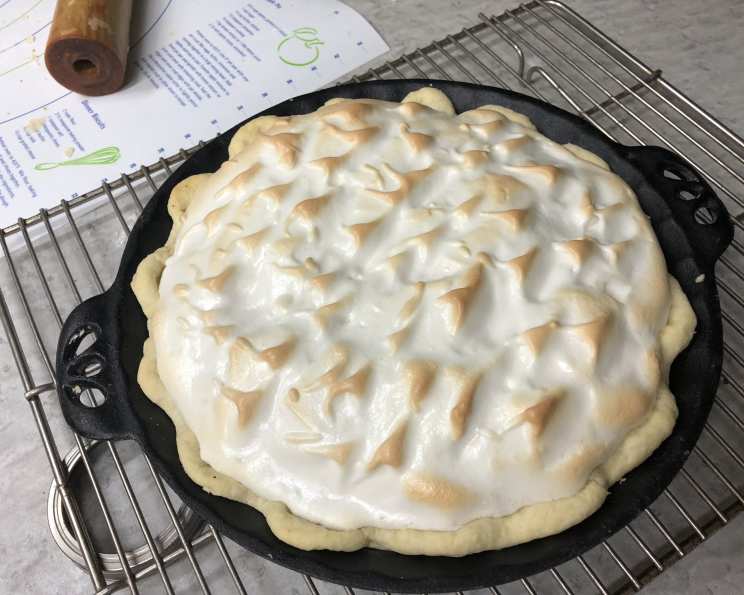
No Weep, No Shrink Meringue: A Chef’s Secret
I can still remember the sting of disappointment as a young baker, meticulously crafting a lemon meringue pie, only to find the beautiful, fluffy topping weeping and shrinking within hours. It felt like a personal affront to my dedication! Meringue, in its ethereal beauty, can be notoriously fickle. That’s why I was so thrilled when I stumbled upon this method—a foolproof way to create a stable, gorgeous meringue that holds its shape and doesn’t weep, allowing the flavors of your pie to shine. This recipe is a game-changer for any baker who wants to master the art of meringue.
Recipe Overview
- Prep Time: 10 minutes
- Cook Time: 20-30 minutes
- Total Time: 30-40 minutes
- Servings: 8
- Yield: 1 pie
- Dietary Type: Vegetarian
Ingredients
- 1 tablespoon cornstarch
- 2 tablespoons granulated sugar
- ½ cup water
- 3 egg whites
- 1 dash salt
- 6 tablespoons granulated sugar
Equipment Needed
- Medium saucepan
- Mixing bowl
- Electric mixer (handheld or stand mixer)
- Whisk
- Spatula
- Pie already filled and cooled
Instructions
- In a medium saucepan, combine the cornstarch, 2 tablespoons of granulated sugar, and water.
- Cook the mixture over low heat, stirring constantly, until it becomes clear. This is crucial for stabilizing the meringue and preventing weeping. Be patient; it may take a few minutes. Once clear, remove the saucepan from the heat.
- In a clean, dry mixing bowl, whip the 3 egg whites with a dash of salt using an electric mixer. Beat until stiff peaks form. This means the peaks stand straight up when you lift the beaters. Make sure there’s no trace of grease or yolk in the bowl, as this can inhibit the egg whites from whipping properly.
- Slowly and steadily pour the hot cornstarch-sugar-water mixture into the bowl with the whipped egg whites, while continuing to beat on medium speed. It is important to add the hot mixture gradually to avoid collapsing the egg whites.
- Continue to beat the mixture until it becomes creamy and glossy.
- Gradually add the remaining 6 tablespoons of granulated sugar, one tablespoon at a time, while still beating. Make sure each addition of sugar is fully incorporated before adding the next.
- Continue beating until the meringue is thick, fluffy, and holds stiff, glossy peaks. The meringue should be smooth and easily spreadable.
- Pile the meringue onto your prepared pie (e.g., lemon meringue, chocolate meringue). Ensure the filling is completely cooled before adding the meringue. Spread the meringue evenly, making sure it touches the crust all around the edge to seal it and prevent shrinking. You can create decorative swirls with the back of a spoon or a spatula.
- Bake in a preheated oven at 350°F (175°C) until the meringue is lightly golden brown, usually for 20-30 minutes. Keep a close eye on it to prevent burning. The browning might be uneven depending on your oven, so rotating the pie halfway through can help.
- Once the meringue is golden brown, remove the pie from the oven and let it cool completely at room temperature. Avoid refrigerating the pie immediately, as this can cause the meringue to weep.
Expert Tips & Tricks
- Room Temperature Egg Whites: Using egg whites that are at room temperature will help them whip to a greater volume. Let the eggs sit out for about 30 minutes before starting.
- Cream of Tartar: For an extra stable meringue, consider adding a pinch of cream of tartar along with the salt to the egg whites. It helps to stabilize the foam and create a more durable meringue. About 1/8 teaspoon is usually sufficient.
- Browning: If you prefer a more intensely browned meringue, you can broil it for the last minute or two, but watch it very closely to prevent burning.
- Sealing is Key: Make sure the meringue touches the crust all the way around. This helps prevent the meringue from shrinking as it cools.
- Preventing Weeping: The cornstarch mixture is the key to preventing weeping. Don’t skip this step! Also, avoid overbaking the meringue, as this can also lead to weeping.
- Humidity: High humidity can make it difficult to achieve a stable meringue. If you live in a humid area, try making meringue on a drier day or use a dehumidifier in your kitchen.
Serving & Storage Suggestions
Serve the pie chilled or at room temperature. To store, cover loosely with plastic wrap and refrigerate. The meringue is best consumed within 1-2 days, as it may start to soften over time. Avoid freezing meringue-topped pies, as the texture will be significantly altered upon thawing. It is best to eat as soon as possible.
Nutritional Information
| Nutrient | Amount per Serving | % Daily Value |
|---|---|---|
| Calories | 140 kcal | 7% |
| Total Fat | 0g | 0% |
| Saturated Fat | 0g | 0% |
| Cholesterol | 0mg | 0% |
| Sodium | 40mg | 2% |
| Total Carbohydrate | 32g | 11% |
| Dietary Fiber | 0g | 0% |
| Sugars | 30g | – |
| Protein | 2g | 4% |
Note: Nutritional information is an estimate and may vary based on specific ingredients and portion sizes.
Variations & Substitutions
- Flavor Extracts: Add a few drops of your favorite flavor extract to the meringue while beating, such as vanilla, almond, or lemon.
- Brown Sugar Meringue: Substitute some of the granulated sugar with brown sugar for a caramel-like flavor.
- Torched Meringue: For a visually stunning finish, use a kitchen torch to lightly brown the meringue instead of baking it in the oven.
- Citrus Zest: Add a teaspoon of lemon, orange, or lime zest to the meringue for a burst of fresh citrus flavor.
- Chocolate Shavings: Sprinkle dark chocolate shavings over the meringue after baking for a decadent touch.
- Different Sweeteners: You can try using other granulated sweeteners besides sugar.
FAQs (Frequently Asked Questions)
Q: Why is my meringue weeping?
A: Weeping is often caused by undercooked meringue or high humidity. The cornstarch mixture in this recipe helps prevent weeping by stabilizing the egg whites. Make sure the meringue touches the crust all around to fully seal the pie and avoid weeping.
Q: Can I make this meringue ahead of time?
A: It’s best to make the meringue just before you’re ready to assemble and bake the pie. Meringue is best when fresh.
Q: What if my meringue doesn’t brown properly?
A: Ensure your oven is properly preheated. You can also try increasing the oven temperature slightly for the last few minutes of baking, but watch it carefully to prevent burning.
Q: Can I use a stand mixer instead of a hand mixer?
A: Yes, you can absolutely use a stand mixer. Just make sure to use the whisk attachment.
Q: Why do I need to add the sugar slowly?
A: Adding the sugar slowly allows it to dissolve properly and helps to create a stable meringue.
Final Thoughts
Don’t be intimidated by meringue! This recipe, with its simple yet effective technique, will empower you to create show-stopping pies with a beautiful, stable topping. Embrace the process, enjoy the sweet aroma filling your kitchen, and savor the delightful results. Share your creations with friends and family, and let them marvel at your meringue mastery! Don’t forget to pair your perfect pie with a cup of freshly brewed coffee or a scoop of vanilla ice cream for the ultimate dessert experience. Happy baking!