
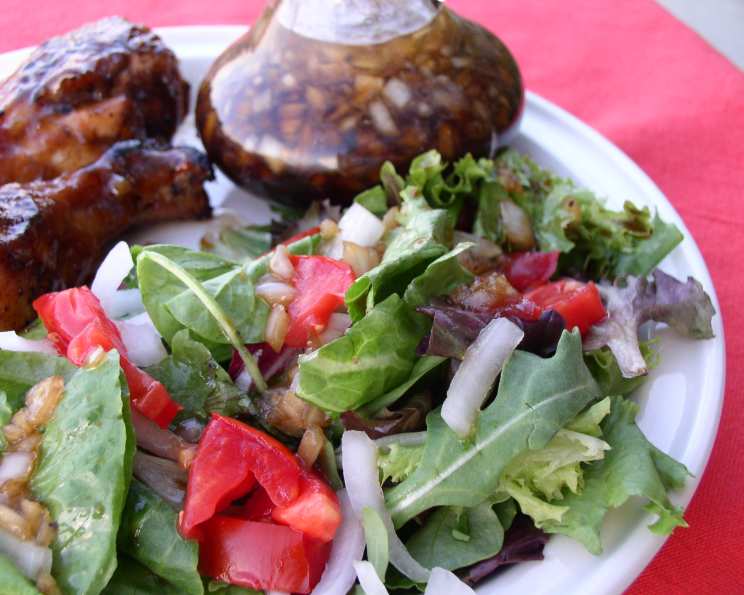
Nobu’s Asian Matsuhisa Salad Dressing: A Culinary Revelation
My first encounter with this dressing was nothing short of transformative. Picture this: a dimly lit, upscale restaurant, the murmur of hushed conversations, and then, that salad. Delicate greens, kissed with a vibrant, almost ethereal dressing, paired with perfectly seared tuna. It was a symphony of flavors – savory, sweet, and umami all dancing on my palate. I spent the rest of the evening dissecting each bite, trying to unlock the secrets of this culinary masterpiece. I’ve spent years trying to recreate that magic in my own kitchen, and I’m delighted to share the result with you.
Recipe Overview
- Prep Time: 5 minutes
- Cook Time: 0 minutes
- Total Time: 5 minutes
- Servings: 4-6
- Yield: About 1 cup
- Dietary Type: Gluten-Free (check soy sauce), Vegan (check sugar)
Ingredients
- ¾ cup finely chopped onion
- 2 tablespoons rice vinegar
- 2 teaspoons water
- ½ teaspoon granulated sugar
- 1 pinch sea salt
- ¼ teaspoon mustard powder
- ¼ teaspoon ground black pepper
- 4 teaspoons grapeseed oil
- 4 teaspoons sesame oil
- 3 tablespoons soy sauce (tamari for gluten-free)
Equipment Needed
- Mixing bowl
- Whisk or fork
- Measuring cups and spoons
- Cutting board
- Knife
Instructions
- In a mixing bowl, combine the finely chopped onion, rice vinegar, water, granulated sugar, sea salt, mustard powder, and ground black pepper. It’s crucial that the onion is finely chopped to allow its flavor to fully integrate into the dressing.
- Stir the mixture vigorously until the salt and sugar have completely dissolved. This step ensures a smooth, well-balanced dressing. Don’t rush it! A little extra stirring makes a big difference.
- Gradually add the grapeseed oil and sesame oil to the mixture, whisking constantly. Adding the oils slowly helps to emulsify the dressing, creating a richer texture. The grapeseed oil provides a neutral base, while the sesame oil adds that distinctive Asian flavor.
- Finally, incorporate the soy sauce (or tamari for a gluten-free option) and mix well until everything is thoroughly combined. Taste and adjust seasonings if needed. A touch more sugar can enhance the sweetness, or a splash more rice vinegar can add a zesty kick.
Expert Tips & Tricks
- Onion Prep is Key: The finer you chop the onion, the smoother your dressing will be. If you prefer a less assertive onion flavor, soak the chopped onions in ice water for 10 minutes, then drain well before adding to the dressing.
- Emulsification Matters: Emulsification is the process of combining two liquids that don’t typically mix well, like oil and vinegar. Whisking vigorously while adding the oil slowly helps to create a stable emulsion, preventing the dressing from separating.
- Spice it Up!: For an extra layer of flavor, consider adding a pinch of red pepper flakes or a dash of sriracha to the dressing.
- Make Ahead Magic: This dressing actually benefits from sitting for a few hours (or even overnight) as the flavors meld together. Just be sure to store it in the refrigerator.
- Sesame Oil Selection: Be sure to use toasted sesame oil for the most authentic flavor. A little goes a long way!
Serving & Storage Suggestions
This Asian Matsuhisa salad dressing is incredibly versatile. While it’s famously served with seared tuna salads, it’s also fantastic on grilled chicken, shrimp, or even tofu. Try drizzling it over a simple green salad, a vibrant slaw, or a bowl of noodles.
- Serving: Dress your salad just before serving to prevent the greens from becoming soggy.
- Storage: Store leftover dressing in an airtight container in the refrigerator for up to 5 days. The dressing may separate slightly upon standing; simply whisk or shake well before using.
- Freezing: Freezing isn’t recommended, as the emulsion may break down and the texture can change.
Nutritional Information
| Nutrient | Amount per Serving | % Daily Value |
|---|---|---|
| Calories | 110 kcal | 6% |
| Total Fat | 9g | 14% |
| Saturated Fat | 1g | 5% |
| Cholesterol | 0mg | 0% |
| Sodium | 950mg | 41% |
| Total Carbohydrate | 4g | 1% |
| Dietary Fiber | 1g | 4% |
| Sugars | 2g | N/A |
| Protein | 2g | 4% |
Note: Nutritional information is an estimate and may vary based on specific ingredients and portion sizes.
Variations & Substitutions
- Gluten-Free: Use tamari instead of traditional soy sauce.
- Lower Sodium: Opt for low-sodium soy sauce or tamari.
- Sweetness Adjustment: Adjust the amount of sugar to your preference. You can also substitute honey or maple syrup for a more natural sweetener.
- Oil Alternatives: While grapeseed oil is recommended for its neutral flavor, you can experiment with other neutral oils like avocado oil or sunflower oil.
- Citrus Burst: Add a teaspoon of lemon or lime juice for a brighter, more citrusy flavor.
- Ginger Zing: Grate a small piece of fresh ginger into the dressing for a warm, spicy kick.
FAQs (Frequently Asked Questions)
Q: Can I use regular white onion instead of finely chopped onion?
A: While you can, the flavor will be much stronger and more pungent. Finely chopped or even minced onion is recommended for a smoother, more balanced flavor.
Q: How long does this dressing last in the refrigerator?
A: When stored properly in an airtight container, the dressing should last for up to 5 days in the refrigerator.
Q: Can I use this dressing as a marinade?
A: Absolutely! The combination of soy sauce, sesame oil, and rice vinegar makes it an excellent marinade for chicken, fish, or tofu.
Q: What is grapeseed oil and why is it used in this recipe?
A: Grapeseed oil is a neutral-flavored oil extracted from grape seeds. It is used in this recipe to provide a base for the dressing without overpowering the other flavors.
Q: The dressing separated in the refrigerator. Is it still safe to use?
A: Yes, it’s perfectly safe. The dressing may separate due to the oil and vinegar not being fully emulsified. Simply whisk or shake well before using to re-combine the ingredients.
Final Thoughts
This Asian Matsuhisa salad dressing is more than just a condiment; it’s an experience. Its vibrant flavors and delicate balance will elevate any salad or dish. Don’t be afraid to experiment with different variations and find what suits your palate best. Share your creations with friends and family, and let them experience the magic of Nobu in their own homes. Whether you’re a seasoned chef or a novice cook, this recipe is sure to impress. So, go ahead, whisk up a batch of this incredible dressing and let your culinary adventure begin!