
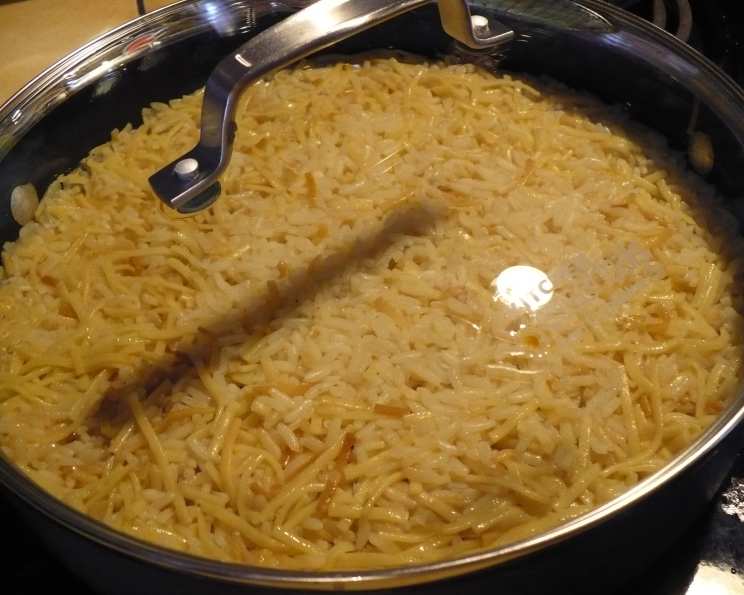
Noodle Rice Pilaf: A Culinary Symphony of Textures
The memory is etched in my mind: my grandmother’s tiny kitchen, the air thick with the aroma of simmering broth and toasted grains. It was her “special occasion” side dish, a seemingly simple pilaf that always felt like a warm hug on a plate. I remember being fascinated by the way she’d carefully brown the noodles, transforming them from pale strands to golden treasures. To me, it was like culinary magic. Now, decades later, I’ve taken that humble dish and refined it, keeping the essence of her love while adding my own touch. This Noodle Rice Pilaf isn’t just food; it’s a connection to my past, a comforting staple, and a reminder of home.
Recipe Overview
- Prep Time: 5 minutes
- Cook Time: 25 minutes
- Total Time: 30 minutes
- Servings: 4
- Dietary Type: Vegetarian (can be made Vegan)
Ingredients
- ¼ cup butter
- 1 cup long grain rice (I use jasmine)
- ½ cup uncooked fine egg noodles (or vermicelli)
- 2 ¾ cups fat free chicken broth (or vegetable broth for vegan)
- 2 tablespoons minced fresh parsley
Equipment Needed
- Saucepan with lid
Instructions
-
Begin by placing your saucepan over medium heat. Add the butter and allow it to melt completely.
-
Once the butter is melted, add the rice and noodles to the saucepan.
-
Cook and stir the rice and noodles constantly until they turn a light golden brown, approximately 3 minutes. This step is crucial for developing a nutty and toasty flavor that will permeate the entire dish. Be careful not to burn them; stir constantly to ensure even browning.
-
Pour the chicken broth into the saucepan with the toasted rice and noodles. Give everything a good stir to combine.
-
Bring the mixture to a boil over medium-high heat. Once boiling, immediately reduce heat to the lowest setting.
-
Cover the saucepan tightly with a lid. Simmer for 20-25 minutes, or until the broth is completely absorbed and the rice is tender. Resist the urge to lift the lid during cooking, as this will release steam and prolong the cooking time.
-
After 20-25 minutes, check the rice for doneness. If the broth is absorbed and the rice is tender, remove the saucepan from the heat. If there’s still liquid, continue to simmer, covered, for a few more minutes, checking periodically.
-
Remove from heat. Fluff gently with a fork.
-
Stir in the minced fresh parsley. This adds a pop of freshness and color to the dish.
-
Let the pilaf rest for 5 minutes before serving.
Expert Tips & Tricks
- Toast Those Noodles Carefully: The browning of the noodles is key to the flavor. Don’t rush this step, but also don’t let them burn! A consistent medium heat and constant stirring are your friends.
- Broth is King: While the recipe calls for fat-free chicken broth, you can experiment with other flavors. Mushroom broth adds an earthy note, while vegetable broth keeps it vegetarian or vegan.
- Don’t Peek! Resist the urge to lift the lid while the pilaf is simmering. The steam trapped inside is essential for cooking the rice properly. If you absolutely must check, do it quickly and replace the lid immediately.
- Fluff Like a Pro: Use a fork to gently fluff the pilaf after cooking. This helps separate the grains and prevents them from becoming clumpy.
- Make-Ahead Magic: You can prepare the pilaf up to a day in advance. Simply cool it completely, store it in an airtight container in the refrigerator, and reheat gently on the stovetop or in the microwave before serving. Add a splash of broth or water when reheating to restore moisture.
Serving & Storage Suggestions
Noodle Rice Pilaf is a versatile side dish that pairs well with a variety of main courses. Serve it alongside grilled chicken, roasted vegetables, baked fish, or even a hearty stew. For a vegetarian meal, try it with lentil patties or stuffed bell peppers.
To store leftovers, allow the pilaf to cool completely before transferring it to an airtight container. It can be stored in the refrigerator for up to 3 days. To reheat, microwave until heated through, or reheat gently on the stovetop with a splash of broth or water. You can freeze the pilaf for up to 2 months. Thaw overnight in the refrigerator before reheating.
Nutritional Information
| Nutrient | Amount per Serving | % Daily Value |
|---|---|---|
| Calories | 292.8 kcal | N/A |
| Calories from Fat | N/A | N/A |
| Total Fat | 12.2 g | 18% |
| Saturated Fat | 7.4 g | 37% |
| Cholesterol | 34.5 mg | 11% |
| Sodium | 423.5 mg | 17% |
| Total Carbohydrate | 40.6 g | 13% |
| Dietary Fiber | 0.8 g | 3% |
| Sugars | 0.3 g | 1% |
| Protein | 4.6 g | 9% |
Note: Nutritional information is an estimate and can vary based on specific ingredients and preparation methods.
Variations & Substitutions
- Vegan Pilaf: Easily make this pilaf vegan by substituting the butter with a plant-based butter alternative and using vegetable broth instead of chicken broth.
- Spice It Up: Add a pinch of red pepper flakes or a dash of your favorite hot sauce for a kick.
- Herb Infusion: Experiment with different herbs like thyme, rosemary, or oregano for a unique flavor profile. Add the herbs along with the parsley at the end of cooking.
- Nutty Delight: Stir in toasted slivered almonds or chopped pecans for added texture and flavor. Add them after the pilaf is cooked and fluffed.
- Vegetable Boost: Incorporate finely diced vegetables like carrots, celery, or onions for extra nutrients and flavor. Sauté the vegetables in the butter before adding the rice and noodles.
FAQs (Frequently Asked Questions)
Q: Can I use brown rice instead of long grain white rice?
A: Yes, you can use brown rice, but you’ll need to adjust the cooking time and liquid amount. Brown rice typically requires more liquid and a longer cooking time. You’ll likely need to add about ½ cup more broth and increase the simmering time by 15-20 minutes.
Q: What if I don’t have fresh parsley?
A: Dried parsley can be used as a substitute. Use about 1 teaspoon of dried parsley for every 2 tablespoons of fresh parsley. Keep in mind that dried herbs have a more concentrated flavor, so use sparingly.
Q: Can I use a different type of noodle?
A: While fine egg noodles or vermicelli are recommended, you can experiment with other small noodles like orzo or ditalini. Adjust the cooking time as needed to ensure the noodles are cooked through but not mushy.
Q: How do I prevent the rice from sticking to the bottom of the saucepan?
A: Using a good quality saucepan with a heavy bottom can help prevent sticking. Also, ensuring that the heat is low enough during simmering is crucial. If you find that the rice is still sticking, you can try adding a tablespoon of olive oil or butter to the saucepan along with the broth.
Q: Is it possible to make this in a rice cooker?
A: Yes, you can adapt this recipe for a rice cooker. Sauté the rice and noodles in a skillet with the butter first, then transfer everything to the rice cooker, add the broth, and cook according to your rice cooker’s instructions.
Final Thoughts
This Noodle Rice Pilaf is more than just a recipe; it’s a journey through textures and flavors, a simple dish that can be elevated with a touch of care and creativity. Whether you’re a seasoned chef or a kitchen novice, I encourage you to give this recipe a try. Feel free to experiment with different variations and substitutions to create your own unique twist. And most importantly, share your culinary creations with those you love, because food is always better when shared! I’d love to hear about your experiences with this recipe, so please leave a comment and let me know what you think. Bon appétit!