
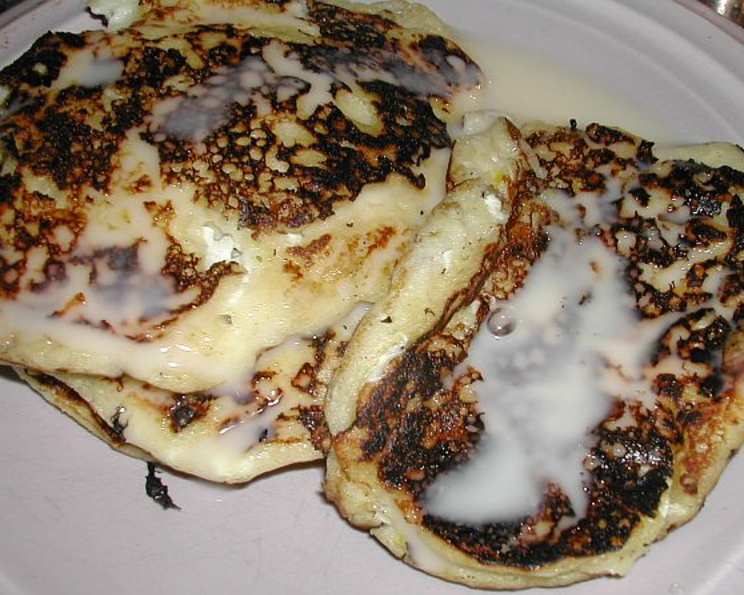
Norma’s Light and Lemony Griddle Cakes With Devonshire Cream
I can still picture it: a sunny Sunday morning, the air thick with the scent of lemon zest and melting butter. My grandmother, Norma, would be humming in the kitchen, her hands a blur as she whipped up a batch of these light and lemony griddle cakes. They were always served with a generous dollop of her homemade Devonshire cream, a cloud of pure indulgence that transformed a simple breakfast into something truly special. These weren’t just pancakes; they were edible sunshine, a taste of pure joy that always brought a smile to my face.
Recipe Overview
- Prep Time: 20 minutes
- Cook Time: 15 minutes
- Total Time: 35 minutes
- Servings: 6
- Yields: Approximately 18 small pancakes (3 per person)
- Dietary Type: Not Gluten-Free
Ingredients
For the Devonshire Cream:
- 1 teaspoon unflavored gelatin
- ½ cup cold water
- 1 cup whipping cream
- ¼ cup sugar
- 2 teaspoons vanilla extract
- 1 (8 ounce) carton sour cream
For the Light and Lemony Griddle Cakes:
- 6 large eggs, separated
- ½ cup flour
- 1 ½ cups cottage cheese, small curd
- ½ cup butter or ½ cup margarine, melted and slightly cooled
- 4 tablespoons sugar
- ½ teaspoon salt
- 2 tablespoons grated lemon zest (from 2 small or 1 large lemon)
- Juice of 1 large lemon
Equipment Needed
- Small saucepan
- Medium mixing bowl (chilled for Devonshire cream)
- Electric mixer
- Large bowl
- Whisk (or another electric mixer if you prefer)
- Large griddle
- ¼ cup measuring cup
Instructions
-
Prepare the Gelatin: In a small saucepan, combine the unflavored gelatin and ½ cup cold water. Let stand for 5 minutes to soften the gelatin. This step is crucial to ensure the cream sets properly without being grainy.
-
Dissolve the Gelatin: Heat the saucepan over medium heat, stirring constantly, until the gelatin is completely dissolved. Remove from heat and allow to cool slightly. Do not skip the cooling step, as adding hot gelatin to the cream can affect its texture.
-
Whip the Cream: In a chilled medium mixing bowl (chilling the bowl helps the cream whip faster and hold its shape better), beat the whipping cream, ¼ cup sugar, and vanilla extract with an electric mixer on medium-low speed until soft peaks form. Soft peaks mean the tips of the whipped cream curl slightly when the beaters are lifted. Be very careful not to overbeat, as this can turn the cream into butter.
-
Combine Gelatin and Sour Cream: In a separate bowl, combine the cooled gelatin mixture and sour cream. Mix well until smooth and homogenous. This will provide the Devonshire cream with its signature tang and body.
-
Fold in Sour Cream Mixture: Gently fold the sour cream mixture into the whipped cream. Be careful not to deflate the whipped cream. Folding is a gentle mixing technique that involves cutting down through the mixture, across the bottom of the bowl, and up the side, turning the mixture over itself.
-
Chill the Devonshire Cream: Cover the bowl and chill for 30 to 45 minutes, or until the mixture thickens and will mound on a spoon. This allows the gelatin to set and the flavors to meld together beautifully. You can chill for longer if you need to prepare it in advance.
-
Prepare the Pancake Batter: In a large bowl, combine the egg yolks, flour, cottage cheese, melted and slightly cooled butter, 4 tablespoons sugar, salt, lemon zest, and lemon juice. Mix until just combined. Don’t overmix at this stage; a few lumps are perfectly fine. Overmixing can develop the gluten in the flour, resulting in tougher pancakes.
-
Whip the Egg Whites: In a separate, clean bowl, whip the egg whites until soft peaks form. Ensure that your bowl and beaters are completely clean and free of any grease or yolk residue, as this can prevent the egg whites from whipping properly.
-
Fold in Egg Whites: Carefully fold the whipped egg whites into the batter mixture. Again, be gentle to avoid deflating the egg whites. This step is what gives the pancakes their light and airy texture.
-
Cook the Pancakes: Heat a large griddle over medium heat. Lightly coat the griddle with cooking spray.
-
Pour the Batter: Using a ¼ cup measuring cup, pour the batter onto the hot griddle.
-
Cook Until Golden Brown: Cook until bubbles form on the surface of the pancakes and the bottoms are lightly brown. This usually takes about 2-3 minutes per side.
-
Flip and Cook the Other Side: Turn the pancakes over and cook until the bottoms are lightly browned and the pancakes are cooked through.
-
Serve Immediately: Remove the pancakes from the griddle and place them on serving plates. Serve immediately with the Devonshire Cream.
-
Optional Garnish: Garnish with fresh raspberries or blueberries and a dusting of powdered sugar for an extra touch of elegance.
Expert Tips & Tricks
- Don’t Overmix: Overmixing the pancake batter will develop the gluten in the flour, leading to tough, chewy pancakes. Mix just until the ingredients are combined, and don’t worry about a few lumps.
- Temperature Matters: Make sure the butter is melted and slightly cooled before adding it to the batter. Hot butter can cook the egg yolks and create a grainy texture.
- Whip Egg Whites Properly: Properly whipped egg whites are key to light and fluffy pancakes. Whip them until they form soft peaks, but be careful not to overwhip them.
- Griddle Temperature: The griddle should be hot enough that the pancakes cook evenly and develop a golden-brown color, but not so hot that they burn. A medium heat setting is usually ideal.
- Lemon Zest: Use a microplane or fine grater to zest the lemons. Avoid grating the white pith beneath the zest, as it can be bitter.
- Make-Ahead Devonshire Cream: The Devonshire cream can be made a day or two in advance and stored in the refrigerator. This is a great way to save time on the morning you plan to serve the pancakes.
- Cottage Cheese Consistency: If your cottage cheese seems particularly watery, you can drain it slightly before adding it to the batter.
Serving & Storage Suggestions
Serve these light and lemony griddle cakes immediately while they are still warm and fluffy. A generous dollop of Devonshire cream is a must, and a sprinkle of fresh berries adds a touch of elegance and freshness. These pancakes are best enjoyed fresh, but leftovers can be stored in an airtight container in the refrigerator for up to 2 days. Reheat them gently in a skillet or microwave before serving. The Devonshire cream should be stored in the refrigerator and will last for 3-4 days. Freezing is not recommended for either the pancakes or the Devonshire cream, as it can affect the texture.
Nutritional Information
| Nutrient | Amount per Serving | % Daily Value |
|---|---|---|
| Calories | 596 kcal | N/A |
| Calories from Fat | 412 kcal | N/A |
| Total Fat | 45.8 g | 70% |
| Saturated Fat | 27.1 g | 135% |
| Cholesterol | 331.9 mg | 110% |
| Sodium | 623.3 mg | 25% |
| Total Carbohydrate | 30.5 g | 10% |
| Dietary Fiber | 0.5 g | 2% |
| Sugars | 17.9 g | N/A |
| Protein | 16.6 g | 33% |
Note: Nutritional information is an estimate and may vary based on specific ingredients and preparation methods.
Variations & Substitutions
- Gluten-Free: Substitute the all-purpose flour with a gluten-free flour blend for a gluten-free version. Be sure to use a blend that contains xanthan gum or another binder to help hold the pancakes together.
- Dairy-Free: For a dairy-free option, replace the butter with a dairy-free butter substitute and the cottage cheese with a dairy-free cottage cheese alternative (if available) or a blend of silken tofu and plant-based milk. Use a plant-based whipping cream for the Devonshire cream.
- Vegan: Combine the substitutions for Gluten-Free and Dairy-Free, and use an egg replacement such as flax eggs or commercial egg replacer.
- Citrus Variations: Experiment with different citrus fruits like orange or grapefruit zest and juice for a unique flavor twist.
- Berry Infusion: Fold fresh or frozen berries into the pancake batter for an added burst of flavor and color.
- Spice It Up: Add a pinch of cinnamon or nutmeg to the pancake batter for a warm and comforting flavor.
FAQs (Frequently Asked Questions)
Q: Why is it important to let the gelatin soften in cold water before heating it?
A: Soaking the gelatin in cold water allows it to properly hydrate, ensuring it dissolves evenly when heated and doesn’t clump together. This is crucial for a smooth and creamy Devonshire cream.
Q: Can I use a different type of cheese instead of cottage cheese?
A: While cottage cheese contributes to the unique texture of these pancakes, you could experiment with ricotta cheese as a substitute, though the flavor profile will be slightly different.
Q: How can I tell if my griddle is hot enough?
A: Test the griddle by flicking a few drops of water onto the surface. If the water sizzles and evaporates quickly, the griddle is ready.
Q: My Devonshire cream didn’t thicken properly. What went wrong?
A: The most common causes are using old or improperly stored gelatin, not allowing the gelatin mixture to cool sufficiently before adding it to the cream, or over-whipping the cream. Make sure your gelatin is fresh, cool the mixture properly, and avoid over-whipping.
Q: Can I add the lemon zest and juice directly to the egg whites before whipping them?
A: It’s best to add the lemon zest and juice to the egg yolk mixture. Adding any fat (like the oils from the lemon zest) or acid (like lemon juice) to the egg whites can hinder their ability to whip up to their full potential.
Final Thoughts
These light and lemony griddle cakes with Devonshire cream are more than just a breakfast dish; they are a taste of sunshine, a reminder of simple pleasures, and a connection to cherished memories. I encourage you to try this recipe and experience the joy of creating something truly special in your own kitchen. Share your creations with friends and family, and don’t hesitate to experiment with variations to make it your own. Perhaps a drizzle of maple syrup or a sprinkle of toasted almonds? The possibilities are endless. And most importantly, savor every delicious bite!