
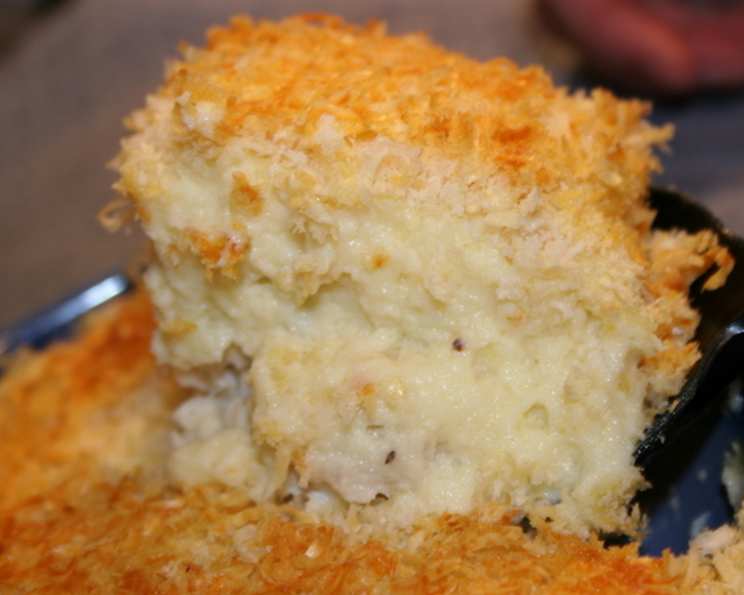
Norsk Fiskegrateng: A Taste of Norwegian Comfort
The aroma alone transports me back to my grandmother’s kitchen in Oslo. I remember standing on a stool, barely tall enough to see over the counter, watching her carefully flake the poached cod for her famous Fiskegrateng. The creamy sauce, bubbly and golden brown from the oven, promised warmth and satisfaction, a taste of home that transcended mere sustenance. It was a dish made with love, simple ingredients transformed into something truly special – a memory I cherish and a tradition I continue to this day.
Recipe Overview
- Prep Time: 20 minutes
- Cook Time: 45 minutes
- Total Time: 1 hour 5 minutes
- Servings: 6-8
- Yield: 1 large baking dish
- Dietary Type: Varies (see variations)
Ingredients
- 500 g white fish fillets, poached (Cod, Haddock, or Pollock recommended)
- 1/3 cup (75g) margarine (or butter)
- 1/2 cup (60g) white flour
- 2 cups (475ml) milk (whole milk preferred)
- 1 teaspoon salt
- 1/8 teaspoon pepper
- 3 eggs, beaten
- Buttered bread crumbs (optional) or grated cheese (optional)
Equipment Needed
- Medium saucepan
- Whisk
- 9×13 inch baking dish (or similar size)
- Fork
Instructions
-
Preheat your oven to 175°C (350°F). While the oven is heating, prepare your baking dish by greasing it generously with butter or margarine to prevent sticking.
-
If you haven’t already, poach your white fish fillets. A simple method is to simmer the fillets in lightly salted water for about 5-7 minutes, or until they are opaque and flake easily with a fork. Drain the fish well and set aside to cool slightly.
-
Once the fish is cool enough to handle, use a fork to flake it into the prepared baking dish. Be careful to remove any bones that may be present. Spread the flaked fish evenly across the bottom of the dish.
-
Now, prepare the creamy sauce. In a medium saucepan, melt the margarine over medium heat. Once melted, add the flour and whisk constantly to form a smooth paste, known as a roux. Cook the roux for about 1-2 minutes, stirring continuously, to cook out the raw flour taste. Be careful not to let it brown.
-
Gradually add the milk to the roux, whisking constantly to prevent lumps from forming. Continue whisking until the sauce is smooth and thickened. This should take about 5-7 minutes.
-
Remove the saucepan from the heat. Stir in the salt and pepper. Taste and adjust the seasoning as needed. A pinch of nutmeg can also add a nice touch.
-
In a separate bowl, lightly beat the eggs. Slowly pour the beaten eggs into the sauce, whisking constantly to temper the eggs and prevent them from scrambling.
-
Pour the creamy sauce evenly over the flaked fish in the baking dish, ensuring that all the fish is covered.
-
If desired, sprinkle a layer of buttered bread crumbs or grated cheese over the top of the Fiskegrateng. This will create a golden brown and slightly crunchy topping. To make buttered breadcrumbs, simply melt some butter and toss it with breadcrumbs until evenly coated.
-
Bake in the preheated oven for 45 minutes, or until the Fiskegrateng is golden brown and bubbly. The sauce should be set and the topping, if using, should be nicely browned.
-
Remove from the oven and let cool for a few minutes before serving. This allows the sauce to set up slightly, making it easier to serve.
Expert Tips & Tricks
- For a richer flavor, use whole milk or even add a splash of cream to the sauce.
- If you’re short on time, you can use canned tuna or salmon instead of fresh fish. Just be sure to drain it well.
- Adding a tablespoon of chopped fresh dill or parsley to the sauce can brighten the flavor.
- To prevent a skin from forming on the sauce while it cools, press a piece of plastic wrap directly onto the surface.
- If your breadcrumb topping is browning too quickly, tent the baking dish with foil during the last 15 minutes of baking.
Serving & Storage Suggestions
Norsk Fiskegrateng is best served warm, straight from the oven. It makes a wonderful main course, especially on a cold evening. Serve it with a side of boiled potatoes, steamed vegetables, or a crisp green salad. A sprinkle of fresh dill or parsley adds a pop of color and flavor.
Leftovers can be stored in the refrigerator for up to 3 days. Reheat gently in the oven or microwave until warmed through. If reheating in the oven, cover the dish with foil to prevent it from drying out.
Freezing is possible, though the texture of the sauce may change slightly upon thawing. To freeze, let the Fiskegrateng cool completely, then wrap it tightly in plastic wrap and foil. It can be stored in the freezer for up to 2 months. Thaw overnight in the refrigerator before reheating.
Nutritional Information
Please note that these values are approximate and can vary based on specific ingredients used.
| Nutrient | Amount per Serving | % Daily Value |
|---|---|---|
| Calories | 320 kcal | 16% |
| Total Fat | 18g | 28% |
| Saturated Fat | 8g | 40% |
| Cholesterol | 150mg | 50% |
| Sodium | 700mg | 30% |
| Total Carbohydrate | 15g | 5% |
| Dietary Fiber | 1g | 4% |
| Sugars | 3g | – |
| Protein | 25g | 50% |
Variations & Substitutions
- Gluten-Free: Use a gluten-free flour blend in place of the wheat flour. Ensure your breadcrumbs, if using, are also gluten-free.
- Dairy-Free: Substitute the milk with a plant-based milk alternative, such as almond milk or oat milk. Use a dairy-free margarine.
- Vegetarian: While traditional Fiskegrateng is made with fish, you can adapt the recipe by using canned chickpeas or white beans for a vegetarian version.
- Spice it up: Add a pinch of cayenne pepper or a dash of hot sauce to the sauce for a little kick.
- Vegetable Boost: Add some cooked peas, carrots, or green beans to the fish before pouring the sauce over.
FAQs (Frequently Asked Questions)
Q: Can I use frozen fish for this recipe?
A: Yes, you can use frozen fish, but be sure to thaw it completely before poaching. Pat it dry with paper towels to remove excess moisture.
Q: Can I make this ahead of time?
A: Absolutely! You can assemble the Fiskegrateng up to 24 hours in advance and store it in the refrigerator. Add the breadcrumb or cheese topping just before baking.
Q: What if my sauce is too thick?
A: If the sauce becomes too thick, simply add a little more milk, a tablespoon at a time, until it reaches the desired consistency.
Q: How do I prevent the breadcrumbs from burning?
A: If the breadcrumbs are browning too quickly, tent the baking dish with foil during the last 15 minutes of baking.
Q: Can I use different types of cheese for the topping?
A: Yes, feel free to experiment with different cheeses! Gruyere, Jarlsberg, or even a sharp cheddar would all be delicious.
Final Thoughts
Norsk Fiskegrateng is more than just a fish gratin; it’s a taste of tradition, a comforting reminder of home, and a celebration of simple ingredients transformed into something extraordinary. Whether you’re a seasoned chef or a beginner in the kitchen, I encourage you to try this recipe. Share it with your loved ones, and let the warmth of this dish fill your hearts and your home. Don’t be afraid to experiment with variations and make it your own. And please, let me know what you think! I would love to hear about your own experiences with this classic Norwegian comfort food. Skål!