
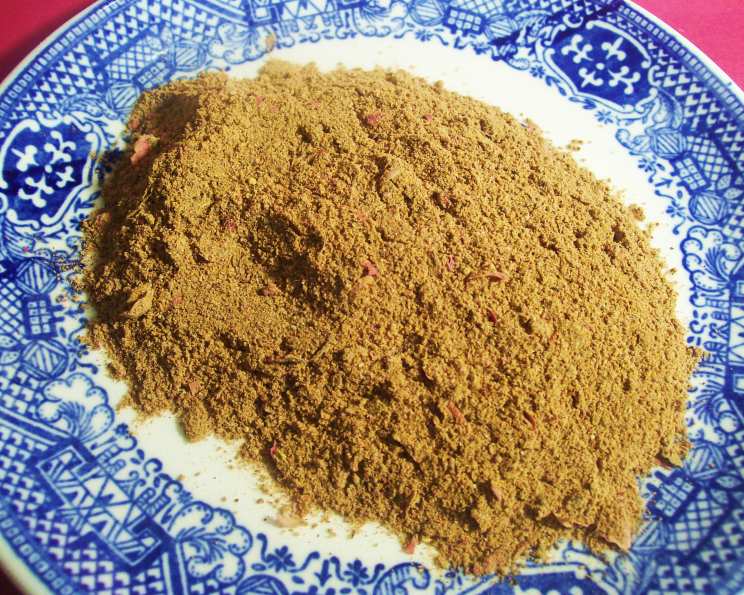
Unlocking the Magic of Ras El Hanout: A Chef’s Guide
The first time I encountered Ras El Hanout, I was wandering through the labyrinthine souks of Marrakech. The air was thick with a symphony of unfamiliar scents – earthy, floral, spicy, sweet. It was intoxicating. I followed my nose to a spice merchant, whose stall was overflowing with vibrant powders and dried herbs. He gestured to a jar filled with a golden-red blend, explaining, “This, my friend, is Ras El Hanout – the ‘head of the shop,’ the very best we have to offer.” One sniff, and I was hooked. It was more than just a spice mix; it was a portal to North Africa, a story whispered in every fragrant grain. Now, I want to share my carefully curated version of this enchanting spice blend with you.
Recipe Overview
- Prep Time: 10 minutes
- Yield: 1 Jar
- Serves: 6-8
- Dietary Type: Vegan, Gluten-Free
Ingredients
- 3 teaspoons ground cinnamon
- 3 teaspoons ground cumin
- 3 teaspoons ground turmeric
- 2 teaspoons ground coriander
- 2 teaspoons ground ginger
- 2 teaspoons ground cardamom
- 1 teaspoon ground nutmeg
- 1 teaspoon ground cloves
- 1 teaspoon mace
- 1 teaspoon cayenne pepper
- 1 teaspoon garlic powder
- 1 teaspoon ground celery seed
- 1 teaspoon ground black pepper
- 2 teaspoons cornflour
Optional Ingredients:
- 1 teaspoon dried crushed rose petal
- 1 teaspoon nigella seeds
- ½ teaspoon anise seed
- ¼ teaspoon powdered saffron
Equipment Needed
- Large bowl
- Airtight container (preferably dark)
- Measuring spoons
Instructions
- In a large bowl, meticulously combine all the listed spices: ground cinnamon, ground cumin, ground turmeric, ground coriander, ground ginger, ground cardamom, ground nutmeg, ground cloves, mace, cayenne pepper, garlic powder, ground celery seed, ground black pepper, and cornflour.
- If using, add the optional ingredients: dried crushed rose petal, nigella seeds, anise seed, and powdered saffron. These additions will enhance the complexity and authenticity of your Ras El Hanout.
- Thoroughly mix all ingredients together until a homogenous blend is achieved. Ensure there are no clumps of any single spice.
- Carefully transfer the spice mix into an airtight container. A dark-colored container is preferable as it helps to protect the spices from light degradation.
- Store the container in a cool, dry, and dark place, away from direct sunlight and heat.
- For optimal freshness and potency, aim to use your homemade Ras El Hanout within six months.
Note: The cornflour acts as a stabilizer, helping to prevent the spices from clumping and maintaining their even distribution within the mix.
Expert Tips & Tricks
- Toast Your Spices (Optional): For a deeper, more intense flavor, lightly toast the whole spices (like cumin seeds, coriander seeds, cardamom pods, etc.) in a dry pan over medium heat for a few minutes before grinding them. Watch carefully to prevent burning.
- Freshness is Key: Use the freshest spices you can find. The fresher the spices, the more vibrant and aromatic your Ras El Hanout will be. Check expiration dates and opt for spices with a strong aroma.
- Adjust the Heat: This recipe is designed to be aromatic and fragrant, not overly spicy. If you prefer a spicier blend, gradually add more cayenne pepper to your liking. Remember, you can always add more, but you can’t take it away!
- Grind Your Own (Optional): For the ultimate flavor explosion, consider grinding whole spices yourself using a spice grinder or mortar and pestle. This releases essential oils and maximizes the aroma.
- Saffron Enhancement: If you’re using saffron, gently crush the strands before adding them to the mix. This will help to release its color and flavor more effectively. You can also infuse the saffron in a tablespoon of warm water for 10-15 minutes before adding the infused water to the spice mix and then drying the entire mix at low temperature in the oven.
Serving & Storage Suggestions
Ras El Hanout is incredibly versatile and can be used in a wide variety of dishes. It’s a quintessential ingredient in Moroccan and North African cuisine, particularly in tagines and couscous.
- Serving Suggestions: Use it to season meats, poultry, and vegetables before roasting or grilling. Add it to stews, soups, and sauces for a warm, complex flavor. Sprinkle it over roasted nuts for a delicious snack. Use it as a dry rub for lamb, chicken, or fish.
- Storage: Properly stored in an airtight container in a cool, dry, and dark place, your homemade Ras El Hanout should last for up to 6 months. Check the aroma and flavor periodically; if it starts to fade, it’s time to make a fresh batch. Avoid storing it near heat sources or in direct sunlight, as this can degrade the quality of the spices.
Nutritional Information
Note: Nutritional information is an estimate and may vary based on specific ingredients and serving size.
| Nutrient | Amount per Serving (Approximate) | % Daily Value (Approximate) |
|---|---|---|
| Calories | 94 kcal | 5% |
| Total Fat | 5.2g | 7% |
| Saturated Fat | 0.6g | 3% |
| Cholesterol | 0mg | 0% |
| Sodium | 31.2mg | 1% |
| Total Carbohydrate | 12.4g | 4% |
| Dietary Fiber | 4.1g | 16% |
| Sugars | 0.4g | 1% |
| Protein | 3.9g | 7% |
Variations & Substitutions
- Smoked Paprika: For a smoky depth, substitute a portion of the cayenne pepper with smoked paprika.
- Rosewater: Instead of dried rose petals, a few drops of rosewater can be added carefully, ensuring the spice mix remains dry by using it very sparingly and allowing to air dry before storing.
- Regional Twists: Experiment with spices that are common in your region or that you particularly enjoy. You could add a touch of lavender, grains of paradise, or cubeb pepper for unique flavor profiles.
- Spicy Ras El Hanout: If you want a significantly hotter blend, increase the amount of cayenne pepper or add a pinch of ground chili flakes.
- Salt-Free Option: Omit the garlic powder and celery seed for a salt-free version, adjusting other spices to taste.
FAQs (Frequently Asked Questions)
Q: What is Ras El Hanout used for?
A: Ras El Hanout is a versatile spice blend primarily used in Moroccan and North African cuisine to add warmth, complexity, and aromatic depth to dishes such as tagines, couscous, stews, and grilled meats.
Q: Can I use this spice mix if I have allergies?
A: Carefully review the ingredient list for any potential allergens. If you have allergies to any of the spices listed, consider making a modified version that excludes those specific ingredients.
Q: How can I tell if my Ras El Hanout has gone bad?
A: The primary indicators are a loss of aroma and flavor. If the spice mix smells dull or tastes weak, it’s likely past its prime. It won’t necessarily be unsafe to eat, but it won’t deliver the desired flavor.
Q: Can I double or triple this recipe?
A: Absolutely! Simply double or triple all the ingredient quantities proportionally to make a larger batch. Ensure you have a sufficiently large bowl for mixing.
Q: Is this recipe suitable for vegetarians and vegans?
A: Yes, this recipe is inherently vegetarian and vegan as it contains only plant-based spices.
Final Thoughts
Creating your own Ras El Hanout is a rewarding culinary adventure that allows you to tailor the flavors to your personal preferences. This blend, imbued with the essence of North Africa, has the power to transform ordinary dishes into extraordinary culinary experiences. So, gather your spices, embrace the aromas, and let your taste buds travel. I encourage you to experiment with this recipe, share your creations, and savor the magic of homemade Ras El Hanout. Try pairing it with a slow-cooked lamb tagine or sprinkling it over roasted vegetables for a truly unforgettable meal.