
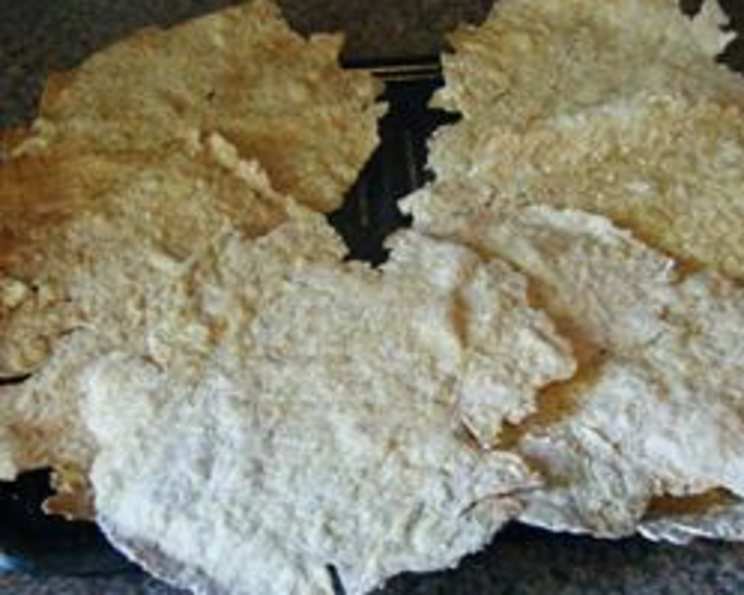
Mastering Norwegian Flatbread: A Culinary Journey to Simplicity
The first time I tasted Norwegian flatbread, or flatbrød, I was backpacking through the Lofoten Islands. It wasn’t in a fancy restaurant, but rather a humble guesthouse where a kindly woman named Astrid offered it with a smear of homemade goat cheese and a cup of strong, black coffee. The simplicity of the flatbread, its subtle rye flavor, and the satisfying crunch against the creamy cheese created a moment I’ve never forgotten – a true taste of Norway. I’ve been recreating it in my kitchen ever since, seeking to capture that pure, unadulterated flavor.
Recipe Overview
- Prep Time: 20 minutes
- Cook Time: 20-30 minutes
- Total Time: 40-50 minutes
- Servings: 10
- Yield: 10 flatbreads
- Dietary Type: Vegetarian
Ingredients
- 2 small potatoes, boiled (pureed in a blender or food processor, about 1/2 cup) or 2 small potatoes, baked (pureed in a blender or food processor, about 1/2 cup)
- 2 cups rye flour
- 1/4 teaspoon salt
- 1/3 cup water or 1/3 cup potato water (reserved from boiling the potatoes)
Equipment Needed
- Large bowl or food processor
- Sharp knife
- Rolling pin
- Floured surface
- Fork
- Griddle or large skillet
- Cooling rack
Instructions
-
In a large bowl or in the food processor, blend the pureed potato, rye flour, and salt together. It’s crucial that the potato is smooth and lump-free for an even dough.
-
Add the water (or potato water) and blend well until the dough will hold together in a cohesive ball. If using a bowl, you might need to use your hands to bring it all together. The dough should be firm, not sticky.
-
With a sharp knife, divide the dough into 10 equal portions. Aim for consistency in size to ensure even cooking.
-
Turn these out, one at a time, onto a floured surface and roll into circles. Keep the remaining portions covered to prevent them from drying out.
-
Roll as thin as possible, at most 1/8 inch, so each is approximately 7 to 8 inches across. The thinner the flatbread, the crispier it will be. Don’t be afraid to use plenty of flour to prevent sticking.
-
Prick all over with the tines of a fork. This prevents the flatbread from puffing up during cooking.
-
Lightly oil a griddle or large skillet and heat until it is very hot. A well-heated surface is essential for achieving that desirable crispness. A cast-iron skillet works particularly well.
-
One by one, place the rolled circles onto the griddle and cook until the bottoms begin to show light browning. This should take a few minutes. Watch carefully to prevent burning.
-
Then turn and cook the other side.
-
Keep turning until the whole cracker is dry and crisp. This process may take some time, but patience is key to achieving the right texture.
-
Do not allow the flatbread to get more than medium brown. Over-browning will result in a bitter taste.
-
Cool on a rack. This allows air to circulate and prevents the flatbread from becoming soggy.
Expert Tips & Tricks
- Potato Choice: Using baked potatoes instead of boiled potatoes can yield a slightly drier dough, resulting in a crispier flatbread. Experiment to see which you prefer.
- Dough Resting: Letting the dough rest for an hour after mixing will make it easier to roll. This allows the gluten to relax, making the dough more pliable.
- Rolling Technique: Use consistent pressure when rolling to ensure an even thickness. Rotate the dough frequently to prevent it from sticking to the surface.
- Heat Control: Adjust the heat as needed to prevent burning. If the flatbread is browning too quickly, lower the heat slightly.
- Crispness: For extra crispness, try placing the cooled flatbreads in a low oven (around 200°F) for 15-20 minutes.
Serving & Storage Suggestions
Norwegian flatbread is incredibly versatile. Serve it alongside cheeses, cured meats, smoked fish, or dips. It’s also delicious with a simple smear of butter or a drizzle of honey.
To store, keep the flatbread in an airtight container at room temperature. It will stay crisp for several days. If it becomes slightly soft, you can crisp it up again in a low oven. Do not refrigerate, as this will make it lose its crispness. It is possible to freeze flatbread. Store in an airtight container with parchment paper between each one to stop them sticking together.
Nutritional Information
| Nutrient | Amount per Serving | % Daily Value |
|---|---|---|
| Calories | 85 kcal | 4% |
| Total Fat | 0.5g | 1% |
| Saturated Fat | 0.1g | 0% |
| Cholesterol | 0mg | 0% |
| Sodium | 50mg | 2% |
| Total Carbohydrate | 18g | 6% |
| Dietary Fiber | 3g | 12% |
| Sugars | 0.5g | 1% |
| Protein | 2g | 4% |
Note: Nutritional information is an estimate and may vary based on specific ingredients and preparation methods.
Variations & Substitutions
- Gluten-Free: Substitute the rye flour with a gluten-free blend. You may need to adjust the amount of water to achieve the right consistency.
- Other Flours: Experiment with other flours such as wheat, barley, or spelt. Each will impart a different flavor and texture.
- Vegetable Variations: Try using different pureed vegetables like carrots, parsnips, or sweet potatoes. This will add a subtle sweetness and color to the flatbread.
- Herb Infusion: Add dried herbs like rosemary, thyme, or dill to the dough for extra flavor.
- Spice It Up: A pinch of caraway seeds or anise can add a traditional Norwegian touch.
FAQs (Frequently Asked Questions)
Q: Why is my flatbread not getting crispy?
A: Make sure you’re rolling the dough thin enough and that your griddle or skillet is hot enough. Also, be patient and keep turning the flatbread until it’s dry and crisp.
Q: Can I use a different type of potato?
A: Yes, you can use any type of potato you prefer. However, waxy potatoes tend to work best as they create a smoother puree.
Q: Can I make the dough ahead of time?
A: Yes, you can make the dough ahead of time and store it in the refrigerator for up to 24 hours. Just be sure to wrap it tightly in plastic wrap to prevent it from drying out. Let it come to room temperature before rolling.
Q: What if my dough is too sticky?
A: If your dough is too sticky to roll, add a little more flour, one tablespoon at a time, until it reaches the right consistency.
Q: Can I bake these in the oven instead of on a griddle?
A: Yes, you can bake the flatbread on an ungreased baking sheet at 400°F (200°C) for 8 to 12 minutes, or until crisp, turning 2 or 3 times.
Final Thoughts
This Norwegian flatbread recipe is more than just a set of instructions; it’s an invitation to connect with a simpler time, a slower pace, and the pure, unadulterated flavors of nature. I encourage you to try this recipe, experiment with different variations, and share your creations with friends and family. It’s a wonderful accompaniment to any meal, or simply enjoyed on its own as a satisfying snack. Don’t be afraid to embrace the imperfections – each flatbread, like each memory, is unique and beautiful in its own way. I’m sure this will become one of your favorite simple and tasty recipes!