
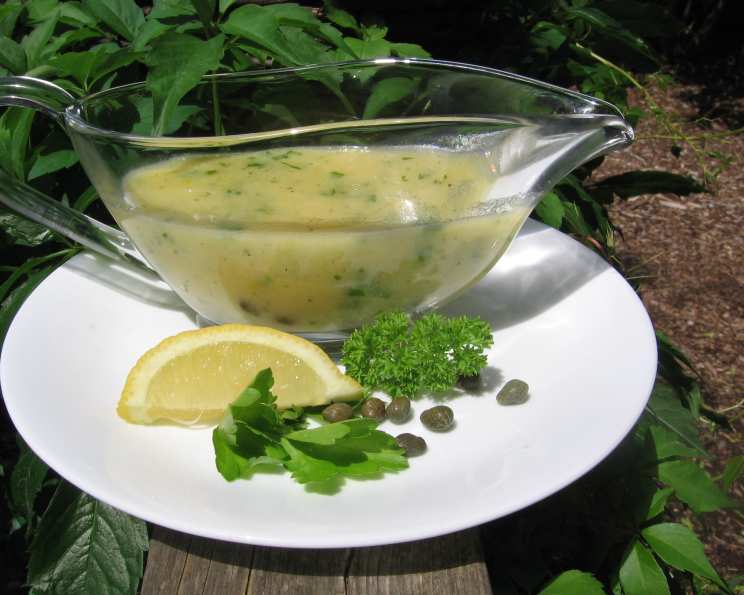
The Zesty Secret: Mastering Norwegian Lemon Butter Sauce
The first time I encountered a truly exceptional lemon butter sauce, I was in a tiny coastal restaurant in Norway, perched on a cliff overlooking the North Sea. The bracing air, the cries of gulls, and the simple, yet profound, flavors of freshly caught salmon draped in this vibrant sauce…it was an experience that burned itself into my memory. It wasn’t just the location; the sauce itself possessed a bright, assertive character that elevated the fish to something sublime. I knew I had to learn how to recreate that magic. This recipe is my attempt to capture that essence, bringing a taste of the Norwegian coast to your kitchen.
Recipe Overview
- Prep Time: 5 minutes
- Cook Time: 5 minutes
- Total Time: 10 minutes
- Yields: 1 cup
- Dietary Type: Gluten-Free
Ingredients
- ½ cup unsalted butter, melted
- 1 large garlic clove, chopped
- ¼ cup fresh lemon juice
- 1 tablespoon lemon zest
- 1 tablespoon capers
- 1 tablespoon chopped parsley
- 1 teaspoon salt
- ½ teaspoon fresh ground white pepper
Equipment Needed
- Blender
- Saucepan
Instructions
- Begin by combining the chopped garlic, fresh lemon juice, salt, and white pepper in a blender.
- Blend the mixture until it’s completely smooth. This ensures that the garlic is finely dispersed and infuses the lemon juice evenly.
- With the blender still running on low speed, slowly add the melted butter in a steady stream. This emulsifies the sauce, creating a creamy and cohesive texture. Continue to blend until the sauce is smooth and well combined.
- Pour the blended mixture into a saucepan.
- Add the capers and chopped parsley to the saucepan. The capers provide a salty, briny counterpoint to the brightness of the lemon, while the parsley adds a fresh, herbaceous note.
- Heat the sauce gently over low heat. Be careful not to boil it, as this can cause the sauce to separate. You’re simply warming it through to ensure the ingredients are well integrated. Heat until warmed through.
- Serve immediately.
Expert Tips & Tricks
- Freshness is key: Use freshly squeezed lemon juice and freshly chopped parsley for the best flavor. Bottled lemon juice simply can’t compare, and dried parsley lacks the vibrancy of fresh.
- Garlic control: If you prefer a milder garlic flavor, consider briefly sautéing the chopped garlic in a small amount of olive oil before adding it to the blender. This will mellow the garlic’s sharpness.
- Emulsification matters: The slow addition of melted butter is crucial for creating a stable emulsion. If the sauce looks separated, try whisking it vigorously over low heat, or add a tablespoon of cold water while whisking.
- Don’t boil: Overheating the sauce can cause the butter to separate, resulting in a greasy texture. Gentle warming is all that’s needed.
- Make ahead (with caution): While the recipe allows for making the sauce ahead of time, the flavor is best when served immediately. If you do make it in advance, be sure to gently reheat it, whisking constantly, and consider adding a touch of fresh lemon juice and parsley just before serving to revive the flavors.
Serving & Storage Suggestions
This Norwegian Lemon Butter Sauce is incredibly versatile. It shines as a sauce for grilled or pan-seared salmon, halibut, or other white fish. It’s also a delightful addition to steamed or roasted vegetables like asparagus, broccoli, or artichokes. Consider drizzling it over pasta for a quick and flavorful meal.
For storage, the sauce is best used immediately for optimal quality. However, you can store leftovers in an airtight container in the refrigerator for up to 2 days. Keep in mind that the sauce may solidify upon chilling. To reheat, gently warm it over low heat, whisking constantly to re-emulsify. Avoid microwaving, as this can cause the sauce to separate. I do not recommend freezing.
Nutritional Information
| Nutrient | Amount per Serving | % Daily Value |
|---|---|---|
| Calories | 844 kcal | 42% |
| Total Fat | 92 g | 142% |
| Saturated Fat | 58 g | 290% |
| Cholesterol | 244 mg | 81% |
| Sodium | 2597 mg | 108% |
| Total Carbohydrate | 9 g | 3% |
| Dietary Fiber | 2 g | 7% |
| Sugars | 2 g | N/A |
| Protein | 2 g | 4% |
Note: Nutritional information is an estimate and may vary based on specific ingredients and portion sizes.
Variations & Substitutions
- Herb Variations: Experiment with different herbs! Try adding dill, chives, or tarragon for unique flavor profiles.
- Spice it Up: Add a pinch of red pepper flakes for a touch of heat.
- Vegan Adaptation: For a vegan version, substitute the butter with a high-quality vegan butter alternative. Be mindful that some vegan butters may have a different water content, so you might need to adjust the amount of lemon juice slightly.
- Citrus Boost: Try adding a small amount of orange or grapefruit zest along with the lemon zest for a more complex citrus flavor.
- Wine Addition: A splash of dry white wine in the saucepan before adding capers and parsley can add another layer of complexity.
FAQs (Frequently Asked Questions)
Q: Can I use dried garlic instead of fresh?
A: While possible, fresh garlic is highly recommended for its superior flavor. If using dried, reduce the amount to 1/4 teaspoon of garlic powder.
Q: The sauce separated. What did I do wrong?
A: The most common cause is overheating. Gentle warming is key. Try whisking vigorously over low heat; if that doesn’t work, whisk in a tablespoon of cold water.
Q: Can I use salted butter instead of unsalted?
A: Yes, but reduce the amount of added salt to taste. Start with 1/2 teaspoon and add more if needed.
Q: How can I make this sauce less acidic?
A: A pinch of sugar can help balance the acidity of the lemon juice. Add it gradually, tasting as you go.
Q: What if I don’t have a blender?
A: You can whisk the ingredients together by hand, but the sauce won’t be as smooth. Mince the garlic very finely and whisk vigorously to emulsify.
Final Thoughts
This Norwegian Lemon Butter Sauce is more than just a condiment; it’s a flavor experience waiting to happen. I encourage you to try this recipe and discover its versatility for yourself. Don’t be afraid to experiment with different herbs, spices, and ingredients to create your own signature version. Whether you’re drizzling it over fish, vegetables, or pasta, I hope this sauce brings a touch of bright, zesty joy to your table. And, of course, I’d love to hear how you make it your own! Enjoy!