
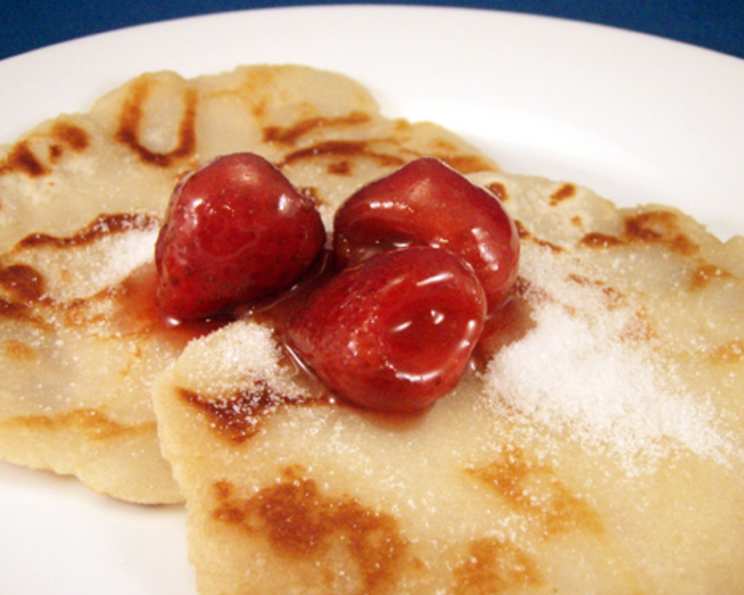
Norwegian Potato and Rye Pancake Flatbreads – Lefse
The first time I tasted lefse was at a small Scandinavian festival in a tiny, blink-and-you’ll-miss-it town in Minnesota. The air was thick with the aroma of woodsmoke and something subtly sweet and earthy. An elderly woman, her hands dusted with flour, smiled warmly as she handed me a thin, almost translucent flatbread spread with butter and a sprinkle of cinnamon sugar. That simple bite, the soft texture, the comforting flavors, instantly transported me to a cozy kitchen in a faraway land, a land of fjords and folklore. From that moment on, I was determined to learn the secrets of lefse making, to bring that same comforting magic into my own kitchen.
Recipe Overview
- Prep Time: 20 minutes
- Cook Time: 20 minutes
- Total Time: 40 minutes
- Yields: 12-16 Lefse
- Serves: 6-8
- Dietary Type: Vegetarian (can be made Vegan)
Ingredients
- 500 g boiled potatoes, mashed
- 100 g rye flour
- 1 teaspoon sugar
- 1 teaspoon salt
- Fat (for cooking, such as vegetable oil or lard)
Equipment Needed
- Large mixing bowl
- Potato masher
- Rolling pin
- Well-floured surface
- Flat griddle, hotplate, or skillet
Instructions
- Begin by placing the mashed potatoes into a large bowl. Ensure the potatoes are thoroughly mashed and free of any lumps for a smoother dough.
- Add the rye flour, sugar, and salt to the bowl with the potatoes.
- Mix the ingredients together thoroughly. At first, the mixture will seem dry and crumbly.
- Gradually add water, bit by bit, while kneading the dough. Add only enough water to bring the mixture together into a pliable dough. Be careful not to add too much water, as this will make the dough sticky and difficult to work with.
- Knead the dough well until it forms a smooth, elastic ball. This may take several minutes of kneading.
- Once the dough is ready, divide it into small balls, each about the size of a small egg. This recipe should yield around 12-16 balls, depending on the size you choose.
- Lightly flour a clean, flat surface. This will prevent the dough from sticking as you roll it out.
- Take one ball of dough and roll it out thinly on the well-floured surface. Aim for a very thin, almost translucent circle. The thinner the lefse, the better the texture will be.
- Repeat the rolling process with the remaining dough balls, keeping the rolled-out lefse separate so they don’t stick together. You can stack them between layers of parchment paper.
- Heat up a flat griddle, hotplate, or skillet over medium heat. Add a small amount of fat (vegetable oil or lard) to the cooking surface. For a vegan version, ensure you are using a vegetable-based fat.
- Carefully place one rolled-out lefse onto the hot cooking surface.
- Cook the lefse until the dough begins to bubble and the bottom side is lightly browned. This should take about 1-2 minutes.
- Turn the lefse over and cook the other side until it is also lightly browned.
- Once both sides are cooked, the lefse should be smooth and soft.
- Remove the cooked lefse from the griddle and set aside.
- Repeat the cooking process with the remaining rolled-out lefse, adding more fat to the griddle as needed.
- Serve the lefse as suggested in the introduction – with butter and sugar, cinnamon sugar, or savory toppings.
Expert Tips & Tricks
- Potato Selection: Use russet potatoes for the best texture. They are starchy and result in a lighter lefse.
- Potato Preparation: Ensure the potatoes are cooked until very tender. Overcooked potatoes are better than undercooked, as they will mash more easily.
- Dough Handling: The dough can be a bit sticky, so keep your rolling surface and rolling pin well-floured.
- Rolling Technique: Roll from the center outwards, rotating the dough frequently to ensure an even thickness.
- Griddle Temperature: Monitor the griddle temperature closely. If it’s too hot, the lefse will burn before it cooks through. If it’s not hot enough, it will be pale and tough.
- Make Ahead: Lefse can be made ahead of time. Store them in an airtight container in the refrigerator for up to 3 days, or freeze them for longer storage.
- Reheating Lefse: To reheat, simply warm them in a dry skillet or microwave for a few seconds until pliable.
Serving & Storage Suggestions
Lefse is incredibly versatile and can be served in numerous ways. The classic Norwegian way is to spread them with butter and sprinkle with sugar, or a mixture of cinnamon and sugar. They are also delicious with savory fillings like cream cheese and smoked salmon, or with traditional Norwegian cheeses like snofrisk.
Leftover lefse should be stored in an airtight container to prevent them from drying out. At room temperature, they will last for a day or two. In the refrigerator, they will keep for up to 3 days. For longer storage, lefse can be frozen for up to 2 months. To freeze, stack the lefse between sheets of parchment paper and wrap them tightly in plastic wrap or a freezer bag. To reheat, thaw in the refrigerator and then warm in a dry skillet or microwave.
Nutritional Information
| Nutrient | Amount per Serving | % Daily Value |
|---|---|---|
| Calories | 133.4 kcal | N/A |
| Calories from Fat | 3 g | 3% |
| Total Fat | 0.4 g | 0% |
| Saturated Fat | 0.1 g | 0% |
| Cholesterol | 0 mg | 0% |
| Sodium | 392.2 mg | 16% |
| Total Carbohydrate | 30.3 g | 10% |
| Dietary Fiber | 3.9 g | 15% |
| Sugars | 1.6 g | 6% |
| Protein | 3 g | 5% |
Variations & Substitutions
- Gluten-Free Lefse: Substitute the rye flour with a gluten-free flour blend designed for baking. You may need to experiment with the amount of water to achieve the right dough consistency.
- Sweet Potato Lefse: Replace half of the mashed potatoes with mashed sweet potatoes for a slightly sweeter and more vibrant lefse.
- Herb-Infused Lefse: Add finely chopped fresh herbs like dill or chives to the dough for a savory twist.
- Dairy-Free: Use a plant-based butter substitute for cooking and serving.
- Spiced Lefse: Add a pinch of cardamom or nutmeg to the dough for a warm, aromatic flavor.
FAQs (Frequently Asked Questions)
Q: Why is my lefse dough sticky?
A: The most common cause of sticky lefse dough is adding too much water. Start with a small amount of water and gradually add more until the dough comes together.
Q: How do I prevent the lefse from sticking to the griddle?
A: Ensure your griddle is hot enough and well-greased with fat. Also, make sure your rolling surface is well-floured.
Q: Can I freeze lefse?
A: Yes, lefse freezes very well. Stack them between sheets of parchment paper, wrap them tightly in plastic wrap or a freezer bag, and freeze for up to 2 months.
Q: My lefse is tearing when I roll it out. What am I doing wrong?
A: The dough may be too dry. Try adding a tiny bit more water, a teaspoon at a time, and knead it in thoroughly. Also, be gentle when rolling and avoid using too much pressure.
Q: What can I use instead of a traditional lefse stick (rolling pin)?
A: A regular rolling pin works just fine! Just make sure your surface is well-floured to prevent sticking.
Final Thoughts
Lefse making is more than just following a recipe; it’s about connecting with tradition, creating something from scratch, and sharing it with loved ones. Don’t be intimidated if your first attempts aren’t perfect; practice makes perfect, and even slightly imperfect lefse is still delicious. I encourage you to try this recipe, experiment with different toppings and variations, and share your creations with family and friends. Perhaps serve your lefse alongside a steaming mug of Scandinavian glogg during the winter holidays, or enjoy it as a simple afternoon treat with a cup of coffee. Happy baking!