
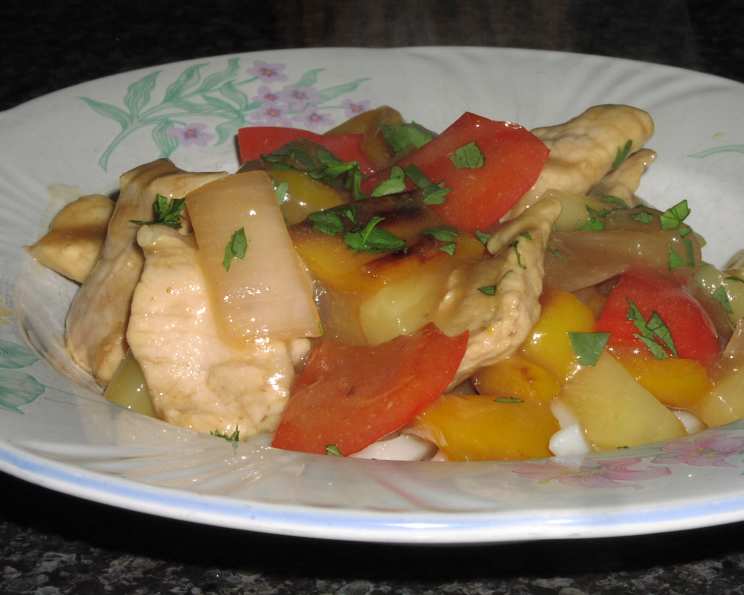
Not so Sweet & Sour Pork With Udon Noodles – Clean Eating
I still remember the first time I truly appreciated a well-balanced sweet and sour dish. It wasn’t the overly sugary, neon-red stuff from the local takeout. Instead, it was a version crafted with fresh pineapple, vibrant peppers, and a touch of savory depth, served at a small family restaurant during my travels. That experience shifted my perception entirely, and since then, I’ve been on a mission to recreate that magic in my own kitchen, always striving for that perfect harmony of flavors without the unnecessary processed ingredients. This Not so Sweet & Sour Pork with Udon Noodles is a testament to that quest, a cleaner, brighter, and utterly delicious take on a classic.
Recipe Overview
- Prep Time: 15 minutes
- Cook Time: 15 minutes
- Total Time: 30 minutes
- Servings: 4
- Dietary Type: Clean Eating
Ingredients
- 12 ounces udon noodles (Japanese wheat noodles)
- 2 teaspoons toasted sesame oil
- ¾ cup unsweetened pineapple juice
- ¼ cup water
- 2 tablespoons soy sauce, low-sodium
- 2 tablespoons rice vinegar
- 1 tablespoon agave nectar
- 12 ounces lean pork loin, boneless, cut into 1/4-inch slices
- 1 ½ tablespoons arrowroot
- 1 tablespoon safflower oil
- 1 small red pepper, diced into 3/4-inch pieces
- 1 small yellow pepper, diced into 3/4-inch pieces
- 1 small red onion, diced into 3/4-inch pieces
- ¼ cup fresh pineapple, diced into 1/2-inch pieces
- ½ teaspoon salt
- 2 tablespoons fresh cilantro, chopped
Equipment Needed
- Large pot
- Small bowl
- Medium bowl
- Large wok or skillet
Instructions
- Begin by cooking the udon noodles according to the package directions. This typically involves boiling them in salted water until tender, usually for just a few minutes. Be careful not to overcook, as they can become mushy.
- Once the noodles are cooked, drain them well and return them to the pot you cooked them in.
- Drizzle the toasted sesame oil over the noodles and toss gently to coat evenly. This adds a lovely nutty aroma and prevents them from sticking together. Cover the pot to keep the noodles warm and set them aside.
- In a small bowl, combine the unsweetened pineapple juice, water, low-sodium soy sauce, rice vinegar, and agave nectar. Whisk until the agave is fully dissolved. This mixture will form the base of your flavorful sauce.
- Place the sliced pork in a medium bowl. Pour the juice mixture over the pork, ensuring all the slices are coated. Set aside to marinate for 10 minutes. This allows the pork to absorb some of the flavors and become more tender.
- After marinating, drain the pork, being careful to save the liquid. The marinated liquid will be used later to thicken the sauce. Set the pork aside.
- In the bowl with the reserved marinade, stir in the arrowroot. Whisk until the arrowroot is completely dissolved and there are no lumps. This is crucial for a smooth and glossy sauce.
- Place a large wok or skillet over medium-high heat. Add the safflower oil and heat until it shimmers. This indicates that the oil is hot enough for stir-frying.
- Add the diced red pepper and yellow pepper to the hot wok or skillet and stir-fry for 2 minutes. Stir-frying involves tossing the ingredients quickly and frequently, ensuring they cook evenly without burning.
- Next, add the diced red onion and salt to the pan and stir-fry for 1 minute more. The onion will start to soften and become fragrant.
- Add the marinated pork to the skillet and stir-fry for 3 minutes, or until the pork is cooked through and the vegetables are tender-crisp. Use a meat thermometer to ensure the pork reaches an internal temperature of 145°F (63°C) for safe consumption.
- Add the diced fresh pineapple and the juice mixture (containing the arrowroot) to the wok or skillet.
- Cook, stirring occasionally, until the pineapple is heated through and the sauce comes to a boil and thickens, about 1 to 2 minutes. The arrowroot will quickly thicken the sauce, creating a lovely glaze over the pork and vegetables.
- To serve, divide the udon noodles among bowls. Spoon the pork stir-fry over the noodles and sprinkle with the chopped fresh cilantro.
Expert Tips & Tricks
- For an even more pronounced sesame flavor, lightly toast sesame seeds and sprinkle them over the finished dish.
- If you prefer a spicier kick, add a pinch of red pepper flakes to the stir-fry.
- To ensure the pork remains tender, avoid overcooking it. Watch closely and remove it from the heat as soon as it’s cooked through.
- If the sauce becomes too thick, add a splash of water or pineapple juice to thin it out.
- The marinade time can be extended to up to 30 minutes for a more intense flavor, but avoid marinating for longer as the acid in the pineapple juice can start to break down the pork.
Serving & Storage Suggestions
Serve this Not so Sweet & Sour Pork with Udon Noodles immediately for the best flavor and texture. The bright colors and fresh cilantro make for a visually appealing presentation.
Leftovers can be stored in an airtight container in the refrigerator for up to 3 days. Reheat gently in a skillet or microwave, adding a splash of water if needed to loosen the sauce. While it’s best enjoyed fresh, the flavors still hold up well after refrigeration. Freezing is not recommended, as the noodles and vegetables may become mushy upon thawing.
Nutritional Information
| Nutrient | Amount per Serving | % Daily Value |
|---|---|---|
| Calories | 603.5 kcal | N/A |
| Calories from Fat | 133 g | 22% |
| Total Fat | 14.8 g | 22% |
| Saturated Fat | 3.7 g | 18% |
| Cholesterol | 68.8 mg | 22% |
| Sodium | 2420.1 mg | 100% |
| Total Carbohydrate | 79.6 g | 26% |
| Dietary Fiber | 5.2 g | 20% |
| Sugars | 7.4 g | 29% |
| Protein | 36.1 g | 72% |
Variations & Substitutions
- For a gluten-free version, use gluten-free tamari instead of soy sauce and substitute the udon noodles with rice noodles or zucchini noodles.
- If you don’t have agave nectar, honey or maple syrup can be used as a substitute, but be mindful of the added sweetness. Adjust the amount to taste.
- For a vegetarian option, substitute the pork with firm tofu or tempeh, cut into similar-sized pieces.
- Experiment with different vegetables, such as broccoli florets, snap peas, or bok choy, depending on what’s in season and available.
- If you’re not a fan of pineapple, try using mango or even tart cherries for a different fruity twist.
FAQs (Frequently Asked Questions)
Q: Can I use regular soy sauce instead of low-sodium?
A: Yes, you can, but keep in mind that it will significantly increase the sodium content of the dish. You might want to reduce the amount slightly to balance the flavors.
Q: Can I make this ahead of time?
A: You can prep the ingredients (chop vegetables, marinate pork) ahead of time. However, it’s best to cook the noodles and stir-fry fresh for optimal texture.
Q: How do I prevent the pork from becoming dry?
A: Ensure you don’t overcook the pork. Stir-fry it until just cooked through, and the sauce will help keep it moist.
Q: Can I use frozen pineapple?
A: Fresh pineapple is preferred for its flavor and texture, but frozen pineapple can be used in a pinch. Thaw it thoroughly and drain any excess liquid before adding it to the stir-fry.
Q: What if I don’t have arrowroot?
A: Cornstarch can be used as a substitute for arrowroot in equal amounts.
Final Thoughts
This Not so Sweet & Sour Pork with Udon Noodles is a fantastic way to enjoy a classic flavor combination without sacrificing your clean eating goals. The bright, fresh ingredients and balanced sweetness make it a truly satisfying and wholesome meal. I encourage you to give it a try and experiment with different variations to make it your own. Share your feedback, and perhaps pair it with a light, crisp salad or a refreshing glass of iced green tea for the perfect culinary experience!