
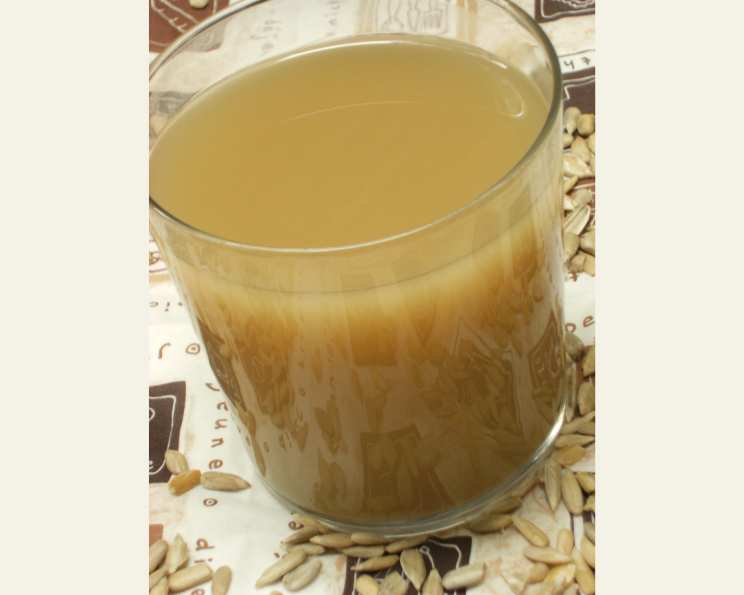
Homemade Nut or Seed Milk: A Creamy, Dairy-Free Delight
There’s something magical about the simple act of making your own nut or seed milk. I remember the first time I tried it – the sheer freshness and delicate flavor compared to store-bought alternatives was a revelation. It felt like unlocking a secret, a connection to the ingredients in a way that mass-produced products simply couldn’t offer. The subtle sweetness of the nuts, the clean taste of the water, transformed into a silky smooth elixir. It was a far cry from the chalky almond milk I was used to, and it instantly elevated my morning coffee and overnight oats to something truly special.
Recipe Overview
- Prep Time: 5 minutes (+ overnight soaking)
- Cook Time: 0 minutes
- Total Time: 5 minutes (+ overnight soaking)
- Servings: 4
- Yield: About 2 cups
- Dietary Type: Vegan, Gluten-Free, Dairy-Free
Ingredients
- 1 cup nuts (any, such as almonds, cashews, walnuts) or seeds (any, such as sunflower seeds, pumpkin seeds, sesame seeds), soaked overnight
- 2 cups distilled water (recipe calls for “pure water”)
- 2-3 dates, pitted
- 1/4 teaspoon Celtic sea salt (optional)
Equipment Needed
- High-speed blender
- Nut milk bag or sprout bag
- Large bowl or jar
Instructions
- Soak the nuts or seeds: Place the nuts or seeds in a bowl, cover with water, and let them soak overnight in the refrigerator. Soaking helps to soften the nuts/seeds, making them easier to blend and more digestible. This also removes phytic acid, improving nutrient absorption.
- Drain and rinse: In the morning, drain the soaked nuts/seeds and rinse them thoroughly under cold water. Rinsing removes any remaining phytic acid and any residue from the soaking process.
- Combine ingredients: Add the drained and rinsed nuts/seeds to a high-speed blender. Add the distilled water, pitted dates, and Celtic sea salt (if using).
- Blend until smooth: Blend the mixture on high speed until completely smooth and creamy. This usually takes about 1-2 minutes, depending on the power of your blender. You should see no visible pieces of nuts/seeds remaining. If your blender struggles, you may need to add a bit more water.
- Strain the mixture: Place a nut milk bag or sprout bag over a large bowl or jar. Carefully pour the blended mixture into the bag.
- Squeeze out the milk: Gently squeeze the bag to extract the milk. Continue squeezing until most of the liquid has been extracted and you are left with a pulp in the bag. You can use your hands to massage the bag and ensure all the milk is extracted.
- Discard or repurpose the pulp: The remaining pulp can be discarded, composted, or used in other recipes, such as crackers, cookies, or smoothies.
- Store the milk: Pour the nut/seed milk into a clean jar or container and store it in the refrigerator.
Expert Tips & Tricks
- For a richer, creamier milk, use cashews or macadamia nuts. These nuts have a higher fat content, resulting in a more luxurious texture.
- Adjust sweetness to your preference: Start with 2 dates and add more if needed, tasting as you go. You can also use other sweeteners like maple syrup or agave nectar, but dates provide a natural sweetness and added nutrients.
- Vanilla extract or cinnamon: Add a splash of vanilla extract or a pinch of cinnamon to the blender for extra flavor. These additions can elevate the milk and add a warm, comforting touch.
- Don’t over-blend: Over-blending can heat up the mixture and result in a less desirable flavor. Blend just until smooth.
- Double strain for extra smoothness: For an even smoother texture, strain the milk through the nut milk bag twice.
- Make it chocolate! Add 1-2 tablespoons of cacao powder to the blender for chocolate nut milk.
- Nut milk bag alternative: If you don’t have a nut milk bag, you can use a clean cheesecloth lined sieve, although this may not be as effective.
Serving & Storage Suggestions
Serve the nut/seed milk chilled. It’s delicious on its own, in coffee or tea, over cereal, in smoothies, or used in baking. It can also be used as a dairy-free substitute in many recipes. Store the nut/seed milk in an airtight container in the refrigerator for up to 3-5 days. The milk may separate, so shake well before using. Freezing is not recommended as it can change the texture.
Nutritional Information
Note: Nutritional information is an estimate and may vary based on the type of nuts/seeds used and the amount of dates added.
| Nutrient | Amount per Serving | % Daily Value |
|---|---|---|
| Calories | 120 kcal | 6% |
| Total Fat | 8g | 12% |
| Saturated Fat | 1g | 5% |
| Cholesterol | 0mg | 0% |
| Sodium | 30mg | 1% |
| Total Carbohydrate | 8g | 3% |
| Dietary Fiber | 2g | 8% |
| Sugars | 5g | – |
| Protein | 4g | 8% |
| Vitamin E | 2.5mg | 17% |
| Magnesium | 45mg | 11% |
Variations & Substitutions
- Different Nuts/Seeds: Experiment with different combinations of nuts and seeds. Try almond-walnut, cashew-sunflower, or even a mixed nut blend.
- Spice it up: Add a pinch of cardamom, ginger, or nutmeg for a warm, spiced milk.
- Sweeteners: Instead of dates, use maple syrup, agave, honey (if not vegan), or stevia to sweeten the milk.
- Nut-Free Option: Use sunflower seeds, pumpkin seeds, or hemp seeds for a nut-free alternative.
- Flavored Extracts: Add a few drops of almond extract, peppermint extract, or coconut extract for added flavor.
- Chocolate Hazelnut Milk: Use hazelnuts and add cacao powder for a delicious homemade chocolate hazelnut milk.
FAQs (Frequently Asked Questions)
Q: Why do I need to soak the nuts or seeds?
A: Soaking helps to soften the nuts/seeds, making them easier to blend and more digestible. It also removes phytic acid, which can inhibit nutrient absorption.
Q: How long does homemade nut milk last?
A: Homemade nut/seed milk will typically last for 3-5 days in the refrigerator when stored in an airtight container.
Q: Can I use tap water instead of distilled water?
A: While you can use tap water, distilled water is recommended for the purest flavor. Tap water may contain minerals or impurities that can affect the taste of the milk.
Q: What can I do with the leftover nut pulp?
A: The leftover nut pulp can be used in a variety of recipes, such as crackers, cookies, granola bars, or added to smoothies for extra fiber.
Q: Can I freeze nut milk?
A: Freezing nut milk is not recommended, as it can change the texture and result in a grainy or separated product. However, if you need to freeze it, do so in ice cube trays and use the cubes in smoothies.
Final Thoughts
Making your own nut or seed milk is surprisingly easy and rewarding. Not only does it taste better than store-bought alternatives, but you also have complete control over the ingredients. I encourage you to try this recipe and experiment with different nuts, seeds, and flavorings to create your own signature blend. Share your creations with friends and family, and let me know what you think! Pair your freshly made nut milk with a bowl of homemade granola or a warm cup of chai tea for the perfect start to your day.