
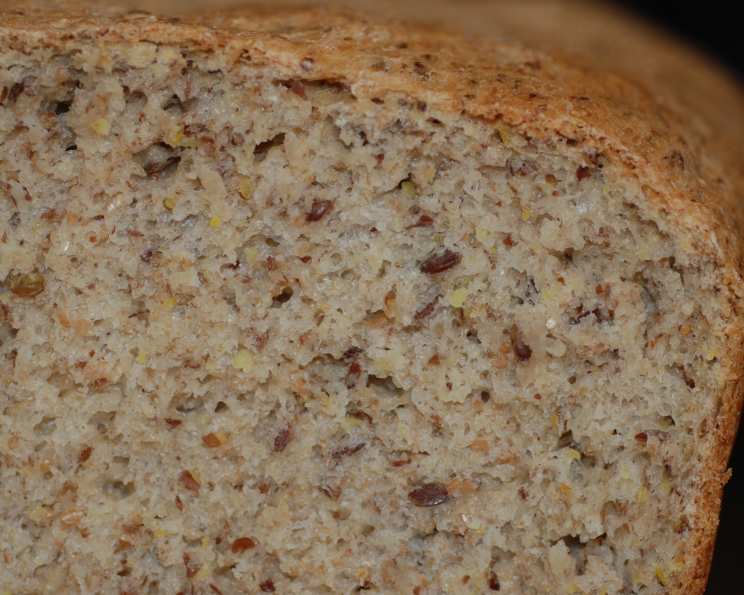
Oat Bran Health Bread: A Hearty Loaf for Everyday Enjoyment
The aroma of freshly baked bread has always been a source of comfort and joy in my kitchen. I recall countless weekend mornings spent kneading dough with my grandmother, the warmth of the oven chasing away the early morning chill. This Oat Bran Health Bread, with its nutty flavor and satisfying texture, evokes those cherished memories. It’s more than just bread; it’s a slice of wholesome goodness that nourishes both body and soul.
Recipe Overview
- Prep Time: 3 hours
- Cook Time: 30 minutes
- Total Time: 3 hours 30 minutes
- Servings: 10-12
- Yield: 1 loaf
- Dietary Type: High-Fiber
Ingredients
- 1 1/2 cups water
- 2 1/2 teaspoons active dry yeast
- 2 tablespoons canola oil
- 3 tablespoons honey
- 1 1/2 cups oat bran
- 1 1/2 cups whole wheat flour
- 1 1/3 cups bread flour
- 1/2 cup flax seed meal
- 2 tablespoons vital wheat gluten
- 1/2 teaspoon salt
Equipment Needed
- Bread Machine
- Large bowl
- Measuring cups and spoons
- 9×5 inch loaf pan
- Lightly greased surface
- Oven
Instructions
-
Begin by adding the water, active dry yeast, canola oil, and honey to the pan of your bread machine. Gently stir to dissolve the yeast. Allow the mixture to stand until it becomes creamy, which typically takes about 10 minutes. This step is crucial as it activates the yeast, ensuring a good rise for your bread.
-
While the yeast mixture is activating, prepare the dry ingredients. In a large bowl, thoroughly combine the oat bran, whole wheat flour, bread flour, flax seed meal, vital wheat gluten, and salt. Mixing these ingredients well ensures an even distribution of flavor and texture throughout the loaf.
-
Once the yeast mixture is ready, carefully pour the dry ingredient mixture into the pan of the bread machine. Select the Whole Wheat cycle on your machine and press Start. The bread machine will handle the kneading and the first rise of the dough.
-
After the dough has risen in the bread machine, carefully remove it and turn it out onto a lightly floured surface. This prevents the dough from sticking and makes it easier to shape.
-
Gently form the dough into a loaf shape. The key is to handle the dough with care to avoid deflating it.
-
Place the shaped loaf into a lightly greased 9×5 inch loaf pan. This will give the bread its final shape during the second rise and baking.
-
Allow the loaf to rise in the pan until it has doubled in size. This usually takes about 45 minutes, but the exact time may vary depending on the temperature of your kitchen.
-
While the loaf is rising, preheat your oven to 375 degrees F (190 degrees C). Ensure the oven is fully preheated before baking for even cooking.
-
Bake the loaf at 375 degrees F (190 degrees C) for approximately 30 minutes, or until the top is golden brown and the bottom of the loaf sounds hollow when tapped. A golden-brown crust indicates that the bread is cooked through, and the hollow sound confirms that the interior is fully baked.
Expert Tips & Tricks
- For an extra nutty flavor: Toast the flax seed meal lightly in a dry pan before adding it to the dry ingredients. Be careful not to burn it!
- If you don’t have vital wheat gluten: You can omit it, but the bread may be slightly less elastic and have a slightly coarser texture.
- To prevent the crust from becoming too dark: Tent the loaf with aluminum foil during the last 10 minutes of baking.
- Dough too dry or too wet?: The consistency of the dough is key. If it seems too dry while kneading in the bread machine, add a tablespoon of water at a time until it reaches the desired texture. Conversely, if it’s too wet, add a tablespoon of flour at a time.
Serving & Storage Suggestions
This Oat Bran Health Bread is delicious served warm with a smear of butter or a drizzle of honey. It also makes excellent toast or sandwiches.
To store, allow the bread to cool completely before wrapping it tightly in plastic wrap or placing it in an airtight container. At room temperature, it will stay fresh for 2-3 days. For longer storage, you can freeze the loaf for up to 2 months. Thaw it completely before slicing and serving. Reheating in a low oven (around 300 degrees F or 150 degrees C) for a few minutes can restore its fresh-baked taste and texture.
Nutritional Information
| Nutrient | Amount per Serving | % Daily Value |
|---|---|---|
| Calories | 233.1 kcal | N/A |
| Calories from Fat | 60 g | 26% |
| Total Fat | 6.7 g | 10% |
| Saturated Fat | 0.7 g | 3% |
| Cholesterol | 0 mg | 0% |
| Sodium | 121.2 mg | 5% |
| Total Carbohydrate | 42.3 g | 14% |
| Dietary Fiber | 6.6 g | 26% |
| Sugars | 5.6 g | N/A |
| Protein | 8.1 g | 16% |
Variations & Substitutions
- Sweeten it up: Add 1/4 cup of raisins, dried cranberries, or chopped dates to the dry ingredients for a sweeter loaf.
- Add some spice: Incorporate 1 teaspoon of ground cinnamon or a pinch of nutmeg for a warm, comforting flavor.
- Nutty twist: Replace 1/4 cup of the bread flour with almond flour for a richer, nuttier taste.
- Seed sensation: Add 2 tablespoons of sunflower seeds or pumpkin seeds to the dry ingredients for added texture and nutritional value.
- Dairy-Free: The recipe is already dairy-free!
FAQs (Frequently Asked Questions)
Q: Can I make this bread without a bread machine?
A: Yes, you can. Combine all ingredients in a bowl, knead for 8-10 minutes, let rise until doubled, punch down, shape, and bake as directed in the instructions, starting from step 4.
Q: What if my bread doesn’t rise enough?
A: Ensure your yeast is fresh and activated properly. Also, a warm environment is crucial for rising; a drafty kitchen can hinder the process.
Q: Can I use a different type of oil?
A: Yes, you can substitute canola oil with olive oil, vegetable oil, or melted coconut oil. Just be mindful of any flavor impact they might have.
Q: How can I tell if the bread is fully baked?
A: The top should be golden brown, and the bottom of the loaf should sound hollow when tapped. An internal temperature of 200-210°F (93-99°C) is also a good indicator.
Q: Why is my bread so dense?
A: This can be caused by not using enough yeast, not kneading the dough sufficiently, or not allowing it to rise long enough. Ensure your yeast is active, knead properly, and be patient with the rising process.
Final Thoughts
This Oat Bran Health Bread is more than just a recipe; it’s an invitation to nourish your body and soul with a wholesome, homemade creation. Whether you’re a seasoned baker or a novice in the kitchen, I encourage you to try this recipe and experience the joy of baking your own bread. Share your experiences, experiment with variations, and most importantly, enjoy the fruits of your labor. This bread pairs perfectly with a hearty soup or a simple salad for a complete and satisfying meal. Happy baking!