
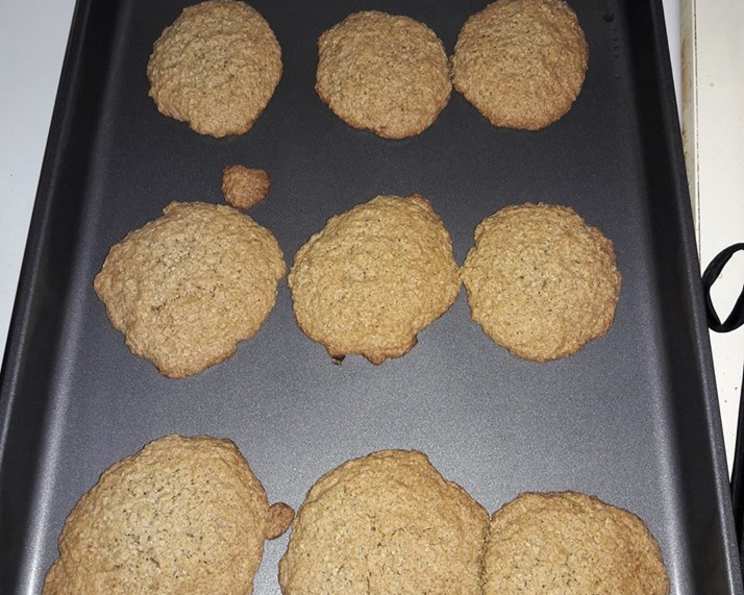
Gluten-Free, Dairy-Free Oatmeal Cookies: A Taste of Home
The scent of warm cinnamon and vanilla always takes me back to my grandmother’s kitchen. She had a knack for making the simplest things taste extraordinary, and her oatmeal cookies were legendary. Though she used butter and wheat flour, I’ve always cherished the memory. Now, due to dietary restrictions in my family, I’ve spent years perfecting a version that captures the essence of her recipe, but without gluten or dairy. These cookies are a testament to the fact that you don’t have to compromise on flavor, even when adapting a classic.
Recipe Overview
- Prep Time: 15 minutes
- Cook Time: 8-10 minutes
- Total Time: 23-25 minutes
- Servings: 12-16
- Yield: 12-16 cookies
- Dietary Type: Gluten-Free, Dairy-Free, Lactose-Free
Ingredients
- ¾ cup Country Crock margarine (spreadable margarine)
- ¾ cup granulated sugar
- ¾ cup packed light brown sugar
- 2 large eggs
- 1 teaspoon vanilla extract
- 1 teaspoon baking soda
- 1 teaspoon cinnamon
- ½ teaspoon salt
- 4 cups finely ground quick oats
- Optional: 1 cup raisins
Equipment Needed
- Blender or food processor
- Large mixing bowl
- Electric mixer (optional, but recommended)
- Measuring cups and spoons
- Lightly greased cookie sheet
- Wire rack
Instructions
-
Preheat your oven to 375°F (190°C). This temperature helps the cookies spread and bake evenly.
-
Prepare the quick oats. Place 4 level cups of quick oats into your blender or food processor. Blend for about 2 minutes, or until the oats are finely ground and have a flour-like consistency. This is a crucial step, as it provides the structure that wheat flour typically does in conventional cookies. Set aside the finely ground oats. If you don’t have a blender, you can pulse them until desired consistency in the food processor.
-
In a large mixing bowl, cream together the margarine, granulated sugar, and light brown sugar until smooth. An electric mixer is helpful for this step, ensuring the sugars are fully incorporated into the margarine. If you’re mixing by hand, make sure the margarine is at room temperature to ease the process.
-
Beat in the eggs and vanilla extract until the mixture is light and fluffy. This step aerates the batter, contributing to a tender cookie.
-
In a separate small bowl, stir together the baking soda, cinnamon, and salt. This ensures that the baking soda is evenly distributed, preventing any pockets of unpleasant taste.
-
Beat the dry ingredients into the creamed mixture. Mix until just combined, being careful not to overmix at this stage.
-
Gradually stir in the finely ground quick oats and mix well. At this point, if you’re using them, gently fold in the raisins.
-
Drop the cookie dough by rounded teaspoonfuls onto a lightly greased cookie sheet. Be sure to leave some space between each cookie to allow for spreading during baking. If you don’t have parchment paper, lightly grease the cookie sheet with margarine to prevent sticking.
-
Bake for 8-10 minutes in the preheated oven, or until the edges are golden brown. Keep a close eye on the cookies during baking, as oven temperatures can vary. You want the edges to be set, but the centers should still be slightly soft.
-
Cool the cookies slightly on the baking sheet before transferring them to a wire rack to cool completely. This helps prevent them from breaking apart while they’re still warm and fragile.
-
Cool completely before storing. (Optional).
Expert Tips & Tricks
- Margarine Choice: While any dairy-free margarine will work, Country Crock tends to yield the best results in terms of flavor and texture, closely mimicking the richness of butter.
- Oat Consistency: The key to a good gluten-free oatmeal cookie is the texture of the ground oats. Aim for a fine, flour-like consistency to prevent a gritty texture.
- Preventing Spreading: If your cookies spread too much during baking, try chilling the dough for 30 minutes before scooping and baking. This will help the margarine solidify, reducing spread.
- Even Baking: Ensure even baking by using a good-quality cookie sheet that distributes heat evenly. Avoid using dark-colored cookie sheets, as they can cause the bottoms of the cookies to burn.
- Doneness Check: The cookies are done when the edges are golden brown and the centers are set but still slightly soft to the touch. They will firm up as they cool.
Serving & Storage Suggestions
These gluten-free, dairy-free oatmeal cookies are delicious served warm or at room temperature. They pair perfectly with a glass of dairy-free milk or a cup of herbal tea.
- Storage: Store cooled cookies in an airtight container at room temperature for up to 3 days.
- Freezing: For longer storage, freeze the cookies in a single layer on a baking sheet, then transfer them to a freezer-safe bag or container. They can be stored in the freezer for up to 2 months.
- Reheating: To reheat frozen cookies, thaw them at room temperature for about 30 minutes or until softened. You can also warm them in a microwave for a few seconds.
Nutritional Information
Note: Nutritional information is an estimate and may vary based on specific ingredients used.
| Nutrient | Amount per Serving | % Daily Value |
|---|---|---|
| Calories | 317.8 kcal | N/A |
| Calories from Fat | N/A | N/A |
| Total Fat | 13.9 g | 21% |
| Saturated Fat | 2.9 g | 14% |
| Cholesterol | 31 mg | 10% |
| Sodium | 352.2 mg | 14% |
| Total Carbohydrate | 44.7 g | 14% |
| Dietary Fiber | 2.8 g | 11% |
| Sugars | 26.2 g | N/A |
| Protein | 4.8 g | 9% |
Variations & Substitutions
- Oat Flour: While this recipe relies on finely ground quick oats, you could experiment with using oat flour for a slightly different texture. If using oat flour, you may need to adjust the amount to achieve the desired consistency.
- Spice Variations: Experiment with different spices, such as nutmeg, ginger, or cardamom, to add a unique twist to the flavor profile.
- Nut-Free Option: Ensure the margarine you use is nut-free if you have nut allergies.
- Chocolate Chips: Add dairy-free chocolate chips for a richer, more decadent treat.
- Dried Fruits: Swap the raisins for other dried fruits, such as cranberries, chopped dates, or dried apricots.
FAQs (Frequently Asked Questions)
Q: Can I use regular oats instead of quick oats?
A: Quick oats are preferred because they grind more easily into a flour-like consistency, but regular rolled oats can be used if finely ground in a food processor.
Q: Can I reduce the amount of sugar in this recipe?
A: You can reduce the sugar slightly, but keep in mind that sugar contributes to the cookie’s texture and moisture. Reducing it too much might result in a drier cookie.
Q: Can I make this recipe vegan?
A: Yes, substitute the eggs with flax eggs (1 tablespoon of ground flaxseed mixed with 3 tablespoons of water per egg) or a commercial egg replacer.
Q: Why are my cookies flat and greasy?
A: This could be due to the margarine being too soft or the oven temperature being too low. Ensure the margarine is firm and the oven is properly preheated.
Q: How do I prevent the cookies from sticking to the baking sheet?
A: Always grease the baking sheet lightly with margarine or use parchment paper. This will ensure the cookies release easily after baking.
Final Thoughts
These gluten-free, dairy-free oatmeal cookies are more than just a recipe; they’re a reminder that everyone deserves to enjoy a delicious treat, regardless of dietary restrictions. I hope this recipe brings you the same warmth and joy that my grandmother’s cookies brought me. Feel free to experiment with variations and make them your own. And most importantly, enjoy the process!