
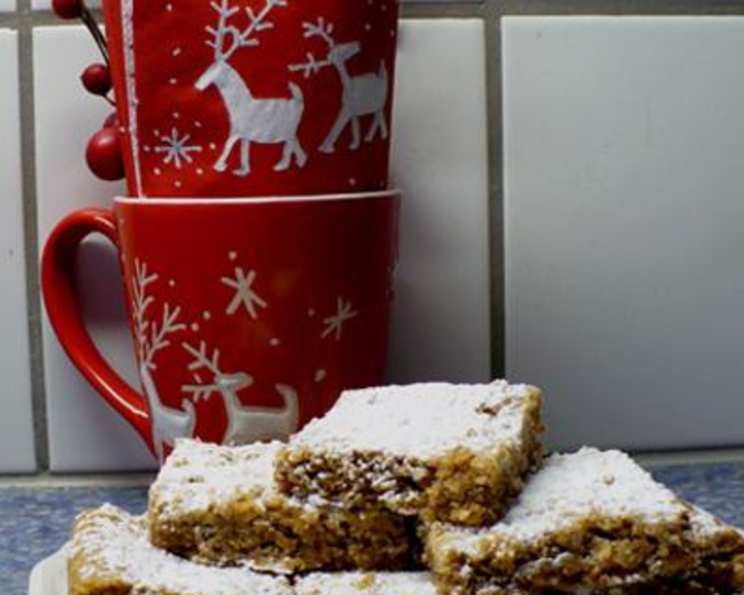
Oatmeal Shortbread: A Taste of Home
The scent of oatmeal shortbread baking in the oven instantly transports me back to my grandmother’s cozy kitchen. I can almost feel the warmth of the Aga on my face, hear the gentle clinking of her teacup as she shared stories, and taste the crumbly, comforting squares alongside a steaming mug of Earl Grey. This wasn’t just a treat; it was a hug in cookie form, a reminder of simple pleasures and cherished family moments. Every time I bake these, I’m keeping her memory alive.
Recipe Overview
- Prep Time: 25 minutes
- Cook Time: 13-15 minutes
- Total Time: 1 hour 40 minutes (includes chilling time)
- Yields: 4 dozen
- Serves: 48
- Dietary Type: Vegetarian
Ingredients
- 1 cup butter, no substitutes
- 1/2 cup brown sugar
- 1 teaspoon vanilla
- 1 teaspoon baking soda
- 2 cups rolled oats
- 1 cup flour
Equipment Needed
- Mixing bowl
- Electric mixer or wooden spoon
- Measuring cups and spoons
- Cookie sheet
- Fork
Instructions
-
Begin by creaming together the butter and brown sugar in a large mixing bowl. An electric mixer makes this process much easier, but you can certainly do it by hand with a sturdy wooden spoon. The goal is to achieve a light and fluffy mixture, so beat until the mixture is well combined and the sugar has mostly dissolved into the butter. This should take about 3-5 minutes with an electric mixer and a bit longer if creaming by hand.
-
Once the butter and sugar are creamed, add the vanilla and continue to beat until the mixture is light and fluffy. The vanilla adds a lovely warm aroma and enhances the overall flavor of the shortbread.
-
In a separate bowl, blend together the flour, baking soda, and rolled oats. Make sure to distribute the baking soda evenly throughout the dry ingredients, as this will help the shortbread rise and achieve its signature crumbly texture.
-
Gradually add the dry ingredients to the butter mixture, mixing well after each addition. It’s best to add the dry ingredients in batches to prevent the flour from flying everywhere. Continue mixing until all the ingredients are thoroughly combined and a dough forms. The dough will be fairly stiff.
-
Chill the dough for at least 1 hour. This chilling time is crucial because it allows the gluten in the flour to relax, resulting in a more tender shortbread. It also helps the dough hold its shape during baking. If you’re short on time, you can chill the dough for as little as 30 minutes, but the texture may not be quite as delicate. For optimal results, you can even chill the dough overnight.
-
After chilling, roll the dough into small balls, about 1 inch in diameter. Place the balls on an ungreased cookie sheet, leaving a little space between each one to allow for spreading.
-
Flatten each dough ball with a fork. Press gently to create a decorative criss-cross pattern.
-
Bake in a preheated oven at 350 degrees Fahrenheit (175 degrees Celsius) for 13 to 15 minutes, or until lightly browned around the edges. Keep a close eye on the shortbread while it’s baking, as the baking time can vary depending on your oven.
-
Once baked, remove the shortbread from the oven and let it cool on the cookie sheet for a few minutes before transferring it to a wire rack to cool completely. This will prevent the shortbread from sticking to the cookie sheet and breaking.
Expert Tips & Tricks
-
Browning Butter: For an even richer, nuttier flavor, try browning the butter before creaming it with the sugar. Heat the butter in a saucepan over medium heat until it melts and then continues to cook, swirling occasionally, until it turns a golden-brown color and has a nutty aroma. Let it cool slightly before using.
-
Finely Ground Oats: If you prefer a smoother texture, you can pulse the rolled oats in a food processor or blender until they are finely ground before adding them to the flour mixture.
-
Even Baking: To ensure even baking, rotate the cookie sheet halfway through the baking time.
-
Don’t Overmix: Be careful not to overmix the dough, as this can develop the gluten in the flour and result in a tough shortbread. Mix just until the ingredients are combined.
-
Freezing the Dough: You can freeze the dough for up to 2 months. Wrap it tightly in plastic wrap and then place it in a freezer bag. Thaw in the refrigerator overnight before rolling and baking.
Serving & Storage Suggestions
Oatmeal shortbread is delicious served warm or at room temperature. It pairs perfectly with a cup of tea or coffee, or a glass of milk. You can also serve it as part of a dessert platter alongside other cookies and treats.
Store leftover shortbread in an airtight container at room temperature for up to 5 days. To keep them fresh, you can add a slice of bread to the container. The bread will absorb any excess moisture and prevent the shortbread from becoming stale. You can also freeze the baked shortbread for up to 2 months. Thaw at room temperature before serving.
Nutritional Information
| Nutrient | Amount per Serving | % Daily Value |
|---|---|---|
| Calories | 65.2 kcal | N/A |
| Calories from Fat | 36 g | 56% |
| Total Fat | 4.1 g | 6% |
| Saturated Fat | 2.5 g | 12% |
| Cholesterol | 10.2 mg | 3% |
| Sodium | 54.5 mg | 2% |
| Total Carbohydrate | 6.5 g | 2% |
| Dietary Fiber | 0.4 g | 1% |
| Sugars | 2.3 g | 9% |
| Protein | 0.8 g | 1% |
Variations & Substitutions
-
Gluten-Free: To make this recipe gluten-free, substitute the all-purpose flour with a gluten-free flour blend. Be sure to choose a blend that is designed for baking and contains xanthan gum or another binder.
-
Spiced Oatmeal Shortbread: Add 1/2 teaspoon of ground cinnamon, nutmeg, or ginger to the flour mixture for a warm and cozy spiced flavor.
-
Chocolate Chip Oatmeal Shortbread: Add 1/2 cup of chocolate chips to the dough for a decadent twist.
-
Nutty Oatmeal Shortbread: Add 1/2 cup of chopped nuts, such as walnuts, pecans, or almonds, to the dough for a crunchy texture and nutty flavor.
-
Lemon Zest: Add the zest of one lemon to the butter and sugar mixture for a bright and citrusy flavor.
FAQs (Frequently Asked Questions)
Q: Can I use salted butter instead of unsalted butter?
A: Yes, you can use salted butter, but reduce the amount of salt in the recipe by 1/4 teaspoon.
Q: Can I use quick-cooking oats instead of rolled oats?
A: While rolled oats provide the best texture, you can use quick-cooking oats in a pinch. The shortbread will be slightly more dense and less chewy.
Q: How do I prevent the shortbread from spreading too much while baking?
A: Make sure the butter is cold before creaming it with the sugar. Also, chilling the dough thoroughly will help prevent spreading.
Q: Can I double the recipe?
A: Yes, you can easily double the recipe. Just make sure to use a large enough mixing bowl to accommodate all the ingredients.
Q: My shortbread is too dry. What did I do wrong?
A: You may have overbaked the shortbread. Try reducing the baking time by a minute or two next time. Also, make sure you’re using the correct amount of butter and sugar.
Final Thoughts
I sincerely hope you’ll give this Oatmeal Shortbread recipe a try. Whether you’re a seasoned baker or just starting out, it’s a simple and rewarding recipe that’s sure to bring a smile to your face. It’s a fantastic way to reconnect with comforting flavors and perhaps even create your own heartwarming memories. Feel free to experiment with different variations and let me know what you think. These little squares of happiness are best enjoyed with good company and a grateful heart. Happy baking!