
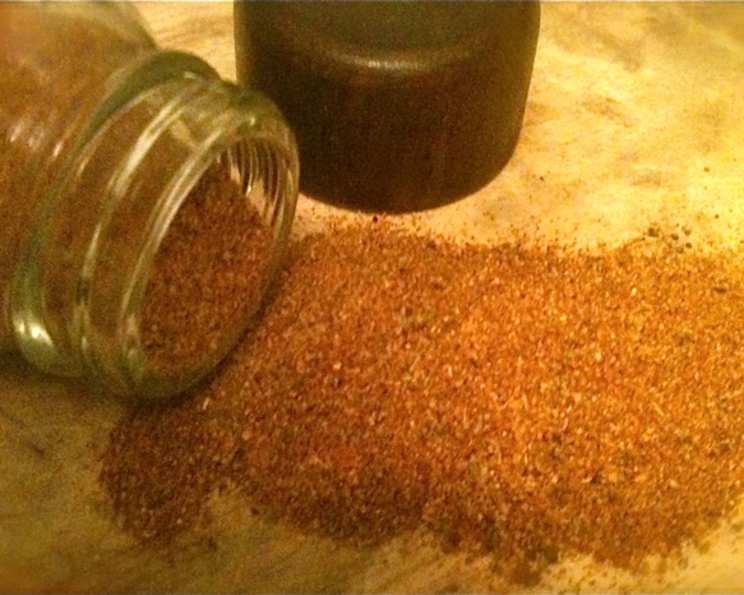
Old Bay Seasoning: A Savory Copycat Recipe
The scent of Old Bay instantly transports me back to summers on the Chesapeake Bay, where my grandfather, a seasoned crabber, would generously sprinkle it on everything from steamed blue crabs to crispy french fries. He always swore it was the secret ingredient to the perfect seafood boil, and watching him share his bounty, dusted with that iconic reddish-brown spice, is a memory I’ll forever cherish. Unable to get my hands on authentic Old Bay here in Europe, I decided to embark on a culinary mission and recreate the iconic flavor at home.
Recipe Overview
- Prep Time: 10 minutes
- Cook Time: 0 minutes
- Total Time: 10 minutes
- Servings: 64
- Yield: Approximately 1 cup
- Dietary Type: Vegan, Gluten-Free, Dairy-Free
Ingredients
- 6 tablespoons celery salt
- 2 tablespoons ground mustard
- 1 tablespoon sweet paprika
- 2 teaspoons bay leaf powder
- 1 1/2 teaspoons black pepper
- 1 1/2 teaspoons white pepper
- 1 1/4 teaspoons ground allspice
- 1 teaspoon cayenne pepper
- 1 teaspoon ground cloves
- 1 teaspoon ground mace
- 1 teaspoon onion salt
- 1/2 teaspoon ground cardamom
- 1/2 teaspoon ground cinnamon
- 1/2 teaspoon ground cumin
- 1/2 teaspoon ground dill seed (not dill weed)
- 1/2 teaspoon garlic salt
- 1/2 teaspoon ground ginger
Equipment Needed
- Small mixing bowl
- Whisk or spoon
- Airtight container for storage
Instructions
-
In a small mixing bowl, combine all of the ingredients: celery salt, ground mustard, sweet paprika, bay leaf powder, black pepper, white pepper, ground allspice, cayenne pepper, ground cloves, ground mace, onion salt, ground cardamom, ground cinnamon, ground cumin, ground dill seed, garlic salt, and ground ginger.
-
Whisk all the spices together thoroughly until they are evenly distributed and there are no visible clumps. Ensure a uniform color throughout the mixture.
-
Store the prepared Old Bay seasoning in an airtight container in a cool, dry place away from direct sunlight. This will help to preserve its flavor and prevent it from clumping.
-
Use your homemade Old Bay seasoning as a direct substitute for commercially available Old Bay in any recipe you desire. Enjoy!
Expert Tips & Tricks
- Freshness is Key: Start with the freshest spices possible. Older spices lose their potency, resulting in a less flavorful blend. Check the expiration dates on your spice jars.
- Toast for Depth: For a richer, more complex flavor, lightly toast the whole spices (allspice, cloves, cumin, cardamom, cinnamon) in a dry skillet over medium-low heat for a few minutes before grinding them. Watch them carefully to prevent burning! Let them cool completely before grinding.
- Grind Your Own: If possible, grind your own whole spices using a spice grinder or mortar and pestle. Freshly ground spices have a much stronger aroma and flavor than pre-ground spices.
- Adjust the Heat: If you prefer a spicier blend, increase the amount of cayenne pepper to taste. For a milder blend, reduce or omit it altogether.
- Salt Content: Be mindful of the salt content, as the celery salt and onion salt contribute significantly to the overall sodium level. Adjust the amount of these ingredients to suit your dietary needs and preferences. You could also substitute with homemade celery and onion powders to control the salt level more precisely.
- Bay Leaf Precision: Bay leaf powder can sometimes be difficult to find. You can make your own by toasting dry bay leaves in a low oven (200°F / 93°C) for about 30 minutes until brittle, then grinding them to a fine powder in a spice grinder or blender. Ensure the bay leaves are completely dry before grinding for the best consistency.
Serving & Storage Suggestions
Your homemade Old Bay seasoning can be used in countless ways! Of course, it’s fantastic on steamed crabs, shrimp, and other seafood. Sprinkle it on french fries, popcorn, roasted vegetables, or even deviled eggs.
- Storage: Store your homemade Old Bay seasoning in an airtight container in a cool, dry place. A small glass jar or spice container works perfectly. Proper storage will help maintain its freshness and flavor.
- Shelf Life: When stored correctly, your homemade Old Bay seasoning should last for up to 6-12 months. However, the flavor will gradually diminish over time, so it’s best to use it within the first 6 months for optimal results.
- Reheating: As this is a spice blend, there’s no need for reheating. Simply sprinkle it directly onto your cooked food or use it in your recipes as needed.
Nutritional Information
(Note: These values are estimates and can vary based on specific ingredient brands and measurements.)
| Nutrient | Amount per Serving (approx. 1/4 tsp) | % Daily Value* |
|---|---|---|
| Calories | 2.5 kcal | 0% |
| Total Fat | 0.1 g | 0% |
| Saturated Fat | 0 g | 0% |
| Cholesterol | 0 mg | 0% |
| Sodium | 0.3 mg | 0% |
| Total Carbohydrate | 0.4 g | 0% |
| Dietary Fiber | 0.2 g | 0% |
| Sugars | 0 g | 0% |
| Protein | 0.1 g | 0% |
*Percentage Daily Values are based on a 2,000 calorie diet.
Variations & Substitutions
- Spicy Old Bay: Increase the amount of cayenne pepper for a spicier kick. You can also add a pinch of red pepper flakes for extra heat and visual appeal.
- Smoked Paprika: Substitute the sweet paprika with smoked paprika for a smoky flavor dimension. This adds a delicious depth to the blend.
- Low-Sodium Old Bay: Reduce the amount of celery salt and onion salt, or substitute with low-sodium versions. You can also add a pinch of sea salt for flavor without the added sodium.
- Herby Old Bay: Add a teaspoon of dried thyme or oregano for an herbal twist. This variation pairs well with roasted vegetables and poultry.
- Citrusy Old Bay: Add the zest of one lemon or orange to the spice blend. This adds a bright, citrusy note that complements seafood beautifully. Be sure to use organic citrus and zest finely to avoid any large pieces.
FAQs (Frequently Asked Questions)
Q: What is bay leaf powder, and where can I find it?
A: Bay leaf powder is simply ground-up dried bay leaves. You can sometimes find it in the spice aisle of well-stocked supermarkets or online. Alternatively, you can easily make your own by grinding dried bay leaves in a spice grinder.
Q: Can I use regular dill weed instead of dill seed?
A: No, dill weed and dill seed have very different flavors. Dill seed has a stronger, more concentrated flavor than dill weed and is crucial to the authentic Old Bay flavor profile.
Q: How can I prevent my homemade Old Bay seasoning from clumping?
A: Ensure that all your spices are completely dry before mixing them together. Store the blend in an airtight container in a cool, dry place to prevent moisture absorption, which causes clumping. Adding a desiccant packet to the container can also help.
Q: Is this recipe truly a close match to the original Old Bay seasoning?
A: While the exact recipe for Old Bay is a closely guarded secret, this copycat recipe aims to replicate the distinctive flavor profile using a combination of common spices. Many people find it to be a very close approximation.
Q: Can I use this Old Bay seasoning on anything other than seafood?
A: Absolutely! Old Bay seasoning is incredibly versatile and can be used on a wide variety of foods, including french fries, popcorn, roasted vegetables, chicken, eggs, and even cocktails like Bloody Marys.
Final Thoughts
Now armed with this fantastic copycat recipe, you can effortlessly bring the iconic taste of Old Bay to your own kitchen creations. Don’t be afraid to experiment with different variations and discover your own signature blend. I encourage you to try this recipe and share your creations with friends and family. Whether you’re steaming crabs for a summer barbecue or simply adding a sprinkle of flavor to your everyday meals, this homemade Old Bay seasoning is sure to become a staple in your spice rack. Happy cooking!