
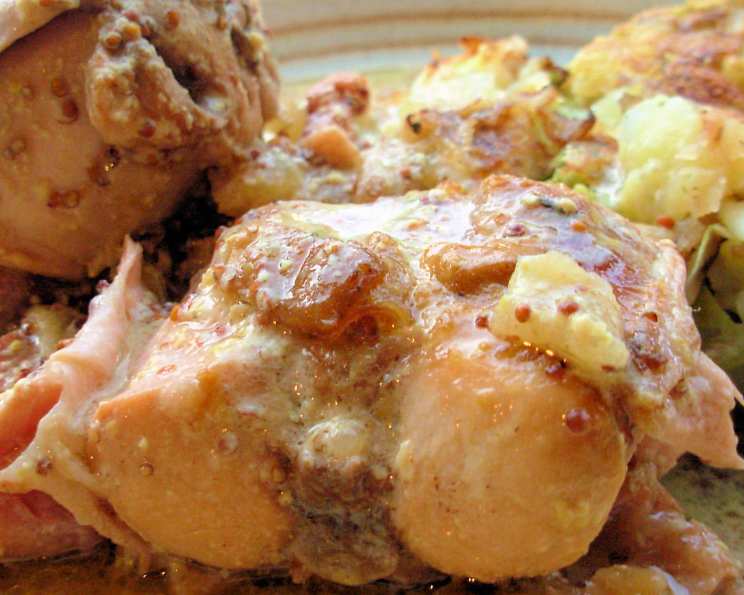
Old Fashioned Rabbit Stew: A Taste of Tradition
There’s a certain magic that happens when you spend an afternoon coaxing flavors from humble ingredients. I remember the first time I tasted rabbit stew – it was at a small village bistro in the French countryside. The air was thick with the aroma of herbs and wine, and the dish, presented in a rustic earthenware bowl, was a revelation. The tender rabbit, the earthy vegetables, the rich, dark gravy – it was comfort food elevated to an art form. That experience sparked a love for slow-cooked stews, and this recipe, inspired by a friend’s family tradition, perfectly captures that rustic charm.
Recipe Overview
- Prep Time: 30 minutes
- Cook Time: 2 hours 45 minutes
- Total Time: 3 hours 15 minutes
- Servings: 6
- Yield: 6 servings
- Dietary Type: Omnivore
Ingredients
- 1 large rabbit
- 3 garlic cloves
- 1 onion
- 8 ounces bacon, in one piece
- Bouquet garni (see below for ingredients)
- 10 sprigs parsley
- 10 sprigs thyme
- 1 bay leaf
- 3 tablespoons olive oil
- 1 cup red wine
- 1 cup small onions
- 1 tablespoon sugar
- 1 tablespoon butter
- 12 new potatoes
- Fresh herb (chervil) for garnish
- 1 teaspoon salt
- 1 teaspoon pepper
Equipment Needed
- Large casserole dish or Dutch oven
- Sharp knife
- Cutting board
- String or kitchen twine
- Large pot
Instructions
-
Begin by preparing the rabbit. Using a sharp knife, chop the rabbit into approximately 12 pieces. Discard the head and feet. Pat the rabbit pieces dry with paper towels.
-
Next, prepare the aromatic base. Chop the onion and garlic cloves finely.
-
Slice the bacon into lardons (small strips or cubes). If using a thick-cut slab of bacon, dice it into small pieces.
-
Create the bouquet garni. Gather the parsley sprigs, thyme sprigs, and bay leaf. Tie them together tightly with string or kitchen twine to form a bundle. This will allow you to easily remove the herbs later, infusing the stew with their flavors without leaving stray leaves.
-
Heat the olive oil in a large casserole dish or Dutch oven over medium-high heat. Once the oil is hot, carefully sear the rabbit pieces in batches until they are lightly browned on all sides. This step is crucial for developing a rich, deep flavor in the stew. Be sure not to overcrowd the pan, as this will lower the temperature and prevent proper browning. Remove the browned rabbit pieces from the casserole dish and set aside.
-
Reduce the heat to medium. In the same casserole dish (without cleaning it), add the chopped garlic, onion, and bouquet garni. Fry them until the onion is softened and translucent, about 5-7 minutes.
-
Add the sliced bacon to the casserole dish and cook until it is lightly colored and has rendered some of its fat.
-
Pour off any excess fat from the casserole dish. Be careful not to discard the flavorful browned bits stuck to the bottom of the pan, as they will add depth to the stew.
-
Return the rabbit pieces to the casserole dish.
-
Deglaze the pan by pouring in the red wine. Use a wooden spoon to scrape up any browned bits from the bottom of the dish, incorporating them into the wine. Allow the wine to simmer for a few minutes, reducing slightly and intensifying its flavor.
-
Add 3 cups of water to the casserole dish, ensuring the rabbit is mostly submerged. Bring the mixture to a simmer, then cover the dish tightly with a lid.
-
Cook the stew in a preheated oven at 325°F (160°C) for 1 hour and 45 minutes, or until the rabbit is very tender.
-
While the stew is cooking, prepare the caramelized onions. Peel the small onions and remove the root ends. Rinse them well.
-
In a separate pot, cook the onions in enough water to cover them. Add the sugar, butter, salt, and pepper. Bring the water to a simmer and cook until all the water has evaporated and the onions are caramelized, about 20 minutes. Stir frequently to prevent burning.
-
About 90 minutes into the rabbit stew’s cooking time, peel and cut the potatoes into narrow rectangles.
-
Add the potatoes to the rabbit stew. Cook the stew, covered, until the potatoes are tender, about 30-45 minutes.
-
Once the rabbit is very tender and the potatoes are cooked through, remove the casserole dish from the oven.
-
Remove the bouquet garni from the stew and discard it.
-
To serve, ladle the stew into bowls, top with the caramelized onions, and garnish with freshly chopped chervil.
Expert Tips & Tricks
- For an even richer flavor, marinate the rabbit pieces in red wine overnight before cooking.
- If you can’t find small onions, you can use quartered regular onions.
- If the stew seems too thin at the end of cooking, remove the rabbit and potatoes with a slotted spoon. Simmer the remaining sauce over medium heat until it thickens to your desired consistency. A cornstarch slurry can be used as a last resort if further thickening is needed.
- Don’t skip the searing step! This builds a crucial layer of flavor.
- Adjust the amount of red wine and water to suit your taste and the size of your casserole dish. You want the rabbit to be mostly submerged in liquid.
Serving & Storage Suggestions
Serve the Old Fashioned Rabbit Stew hot, garnished with caramelized onions and fresh chervil. It pairs beautifully with crusty bread for soaking up the delicious gravy.
Leftovers can be stored in an airtight container in the refrigerator for up to 3 days. To reheat, gently warm the stew on the stovetop over low heat, or in the microwave. You can also freeze the stew for up to 2 months. Thaw it overnight in the refrigerator before reheating.
Nutritional Information
| Nutrient | Amount per Serving | % Daily Value |
|---|---|---|
| Calories | 575 kcal | N/A |
| Total Fat | 26g | 40% |
| Saturated Fat | 8g | 39% |
| Cholesterol | 31mg | 10% |
| Sodium | 745mg | 31% |
| Total Carbohydrate | 68g | 22% |
| Dietary Fiber | 8g | 33% |
| Sugars | 7g | 27% |
| Protein | 12g | 23% |
Note: Nutritional information is an estimate and may vary based on specific ingredients and portion sizes.
Variations & Substitutions
- For a heartier stew, add other root vegetables such as carrots, parsnips, or turnips.
- If you don’t have red wine, you can substitute chicken or beef broth.
- For a richer sauce, add a tablespoon of tomato paste to the casserole dish along with the garlic and onion.
- To make a creamy stew, stir in a splash of heavy cream or crème fraîche at the end of cooking.
FAQs (Frequently Asked Questions)
Q: Can I use frozen rabbit for this recipe?
A: Yes, you can use frozen rabbit. Be sure to thaw it completely in the refrigerator before cooking. Pat it dry before searing to ensure proper browning.
Q: What if I can’t find rabbit?
A: While the unique flavor of rabbit is central to this dish, you can substitute chicken thighs as a readily available alternative. The cooking time may need to be adjusted slightly.
Q: How do I know when the rabbit is done?
A: The rabbit is done when it is very tender and easily pulls apart with a fork. The internal temperature should reach 165°F (74°C).
Q: Can I make this stew in a slow cooker?
A: Yes, you can adapt this recipe for a slow cooker. Sear the rabbit and sauté the vegetables as directed, then transfer everything to the slow cooker. Cook on low for 6-8 hours, or on high for 3-4 hours, or until the rabbit is very tender. Add the potatoes during the last hour of cooking.
Q: What’s the best way to prevent the potatoes from becoming mushy?
A: Be sure to add the potatoes only after the stew has been cooking for at least 90 minutes. This will ensure that they are cooked through but not overcooked. Also, choose new potatoes, which hold their shape better than other varieties.
Final Thoughts
Old Fashioned Rabbit Stew is more than just a recipe; it’s an experience. It’s about slowing down, savoring the process, and creating something truly special. Don’t be intimidated by the seemingly long cooking time – the end result is well worth the effort. Gather your ingredients, put on some music, and let the aromas fill your kitchen. I encourage you to try this recipe and share your own variations with me. Serve it with a glass of robust red wine and some good company, and you’ll have a meal to remember.