
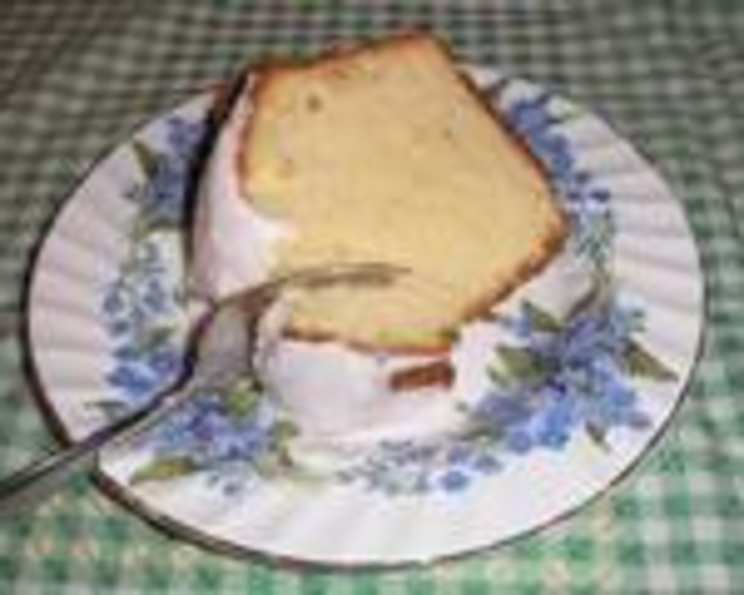
Old Lunenburg Sour Cream Cake: A Taste of Nova Scotia
The aroma of this cake alone transports me back to Sunday afternoons at my grandmother’s house. She always seemed to have a freshly baked cake cooling on the counter, and more often than not, it was this Old Lunenburg Sour Cream Cake. The subtle tang of the sour cream, the delicate sweetness of the glaze, and the impossibly moist crumb – it was pure comfort food, a taste of home that I carry with me always. I can almost see her now, carefully spooning the lemon glaze over the top, her hands steady with years of practice and love.
Recipe Overview
- Prep Time: 20 minutes
- Cook Time: 1 hour 30 minutes
- Total Time: 1 hour 50 minutes
- Servings: 10-12
- Yield: 1 tube cake
- Dietary Type: Not Gluten-Free
Ingredients
- 1 cup butter, softened
- 3 cups granulated sugar
- 6 eggs
- 3 cups all-purpose flour
- ¼ teaspoon baking soda
- ¼ teaspoon baking powder
- 2 teaspoons vanilla
- 1 cup sour cream
GLAZE
- ¾ cup icing sugar
- 1 lemon, juice of
Equipment Needed
- Large mixing bowl
- Electric mixer (handheld or stand mixer)
- Measuring cups and spoons
- Sifter
- 10-inch tube pan
- Grease and flour (for preparing the pan)
- Wire rack
- Pastry brush or spoon
Instructions
-
Preheat your oven to 350°F (175°C). Prepare your 10-inch tube pan by greasing it thoroughly with butter or shortening, then dusting it with flour. This ensures the cake releases cleanly after baking. Tap out any excess flour.
-
In a large mixing bowl, cream together the softened butter until it is light and fluffy. This step is crucial for creating a tender crumb, so take your time and ensure the butter is properly creamed.
-
Gradually add the granulated sugar to the creamed butter, beating well after each addition. Continue beating until the mixture is light and airy. This incorporates air into the batter, which contributes to the cake’s rise and texture.
-
Add the eggs, one at a time, beating well after each one. Make sure each egg is fully incorporated before adding the next. This prevents the batter from curdling and ensures a smooth consistency.
-
In a separate bowl, sift together the all-purpose flour, baking soda, and baking powder. Sifting ensures that these ingredients are evenly distributed and that there are no lumps.
-
Gradually add the dry ingredients to the creamed mixture alternately with the vanilla and sour cream. Begin and end with the dry ingredients. Be careful not to overmix the batter at this stage. Overmixing can develop the gluten in the flour, resulting in a tough cake.
-
Pour the batter into the prepared 10-inch tube pan. Spread the batter evenly in the pan.
-
Bake in the preheated oven for 1 hour and 30 minutes. It is important not to open the oven door during the baking time. Opening the oven door can cause the temperature to fluctuate, which can lead to the cake sinking.
-
After 1 hour and 30 minutes, test the cake for doneness. The cake should be lightly browned, and a cake tester (or toothpick) inserted in the center should come out clean. If the cake is not done, bake for another 15 minutes and test again. Oven temperatures can vary, so it’s essential to rely on visual cues and the cake tester to determine doneness.
-
Let the cake cool in the pan for 15 minutes before inverting it onto a wire rack to cool completely. This allows the cake to firm up slightly, making it easier to remove from the pan without breaking.
-
While the cake is cooling, prepare the glaze. In a small bowl, combine the icing sugar and the juice of one lemon. Stir until smooth and lump-free. Adjust the amount of lemon juice to reach your desired consistency. If you prefer a tangier glaze, add more lemon juice.
-
Once the cake is completely cooled, paint the glaze onto the cake with a pastry brush, or spoon it over the top and let it drizzle down the sides. The glaze adds a touch of sweetness and tartness that complements the rich flavor of the cake.
Expert Tips & Tricks
- Room Temperature is Key: Ensure your butter, eggs, and sour cream are at room temperature before beginning. This allows them to emulsify properly, resulting in a smoother batter and a more tender cake.
- Don’t Overmix: Overmixing the batter can develop the gluten in the flour, leading to a tough cake. Mix until just combined.
- Even Baking: If your oven has hot spots, rotate the cake halfway through baking to ensure even browning.
- Glaze Consistency: Adjust the amount of lemon juice in the glaze to achieve your desired consistency. For a thinner glaze, add more juice. For a thicker glaze, add more icing sugar.
- Upgrade the Flavor: Consider adding a teaspoon of lemon zest to the batter for an extra burst of citrus flavor.
Serving & Storage Suggestions
This Old Lunenburg Sour Cream Cake is delicious served on its own with a cup of coffee or tea. It also pairs well with fresh berries or a dollop of whipped cream.
Store the cake in an airtight container at room temperature for up to 3 days. For longer storage, you can refrigerate it for up to a week or freeze it for up to 2 months. To freeze, wrap the cake tightly in plastic wrap and then in aluminum foil. Thaw overnight in the refrigerator before serving. The glaze might become a bit sticky after refrigeration, but the flavor will remain delicious.
Nutritional Information
| Nutrient | Amount per Serving | % Daily Value |
|---|---|---|
| Calories | 657 kcal | N/A |
| Total Fat | 26.2 g | 40% |
| Saturated Fat | 15.3 g | 76% |
| Cholesterol | 172.4 mg | 57% |
| Sodium | 265.3 mg | 11% |
| Total Carbohydrate | 98.9 g | 32% |
| Dietary Fiber | 1 g | 4% |
| Sugars | 69.9 g | N/A |
| Protein | 8.3 g | 16% |
Note: Nutritional information is an estimate and may vary based on specific ingredients and serving sizes.
Variations & Substitutions
- Lemon Lovers: Intensify the lemon flavor by adding lemon zest to both the cake batter and the glaze.
- Orange Twist: Substitute orange juice for lemon juice in the glaze for a different citrusy note.
- Spice It Up: Add a teaspoon of ground cinnamon or nutmeg to the flour mixture for a warm, spiced flavor.
- Nutty Delight: Fold in a cup of chopped walnuts or pecans to the batter for added texture and flavor.
- Gluten-Free Option: Substitute the all-purpose flour with a gluten-free all-purpose blend, ensuring it contains xanthan gum for binding.
FAQs (Frequently Asked Questions)
Q: Can I use low-fat sour cream?
A: While you can use low-fat sour cream, the cake will be slightly less rich and moist. Full-fat sour cream provides the best flavor and texture.
Q: What if I don’t have a tube pan? Can I use a different pan?
A: Yes, you can use a Bundt pan or even two 9-inch round cake pans. Reduce the baking time by about 15-20 minutes if using round pans and check for doneness.
Q: My cake sank in the middle. What did I do wrong?
A: The most common reasons for a cake sinking are opening the oven door too early, overmixing the batter, or not baking the cake long enough. Ensure you follow the instructions carefully and test for doneness before removing the cake from the oven.
Q: Can I make the cake ahead of time?
A: Absolutely! The cake can be made a day or two in advance. Store it tightly wrapped at room temperature. Glaze just before serving for the best presentation.
Q: Can I freeze the cake?
A: Yes, you can freeze the cake. Wrap it tightly in plastic wrap and then in aluminum foil. Thaw overnight in the refrigerator before glazing and serving.
Final Thoughts
I hope this Old Lunenburg Sour Cream Cake brings as much joy to your table as it has to mine over the years. It’s a simple cake, but it’s full of flavor and memories. Don’t be afraid to experiment with the variations and make it your own. And most importantly, enjoy the process of baking and sharing this delicious cake with those you love. Let me know how it turns out – I’d love to hear your feedback and any personal twists you add to the recipe! Perhaps pair it with a scoop of vanilla ice cream and a cup of dark roast coffee for the perfect ending to any meal.