
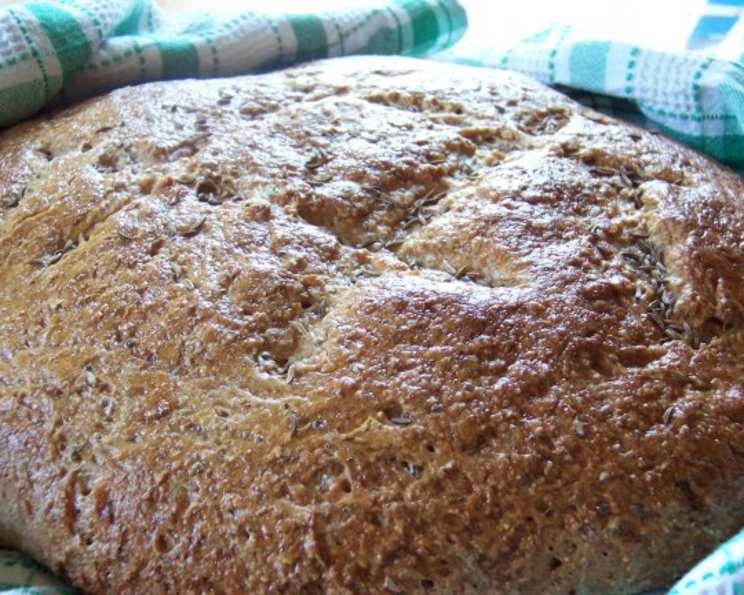
The Soulful Embrace of Old Milwaukee Rye: A Baker’s Journey
The aroma of rye bread baking is more than just a scent; it’s a memory. As a child, the fragrance wafting from my grandmother’s kitchen meant warmth, love, and the comforting weight of tradition. Her rye, dense and flavorful, was a staple at every family gathering. It was a labor of love, a multi-day process that transformed simple ingredients into something extraordinary. Though she’s no longer with us, the taste of her rye remains etched in my memory, and this Old Milwaukee Rye recipe rekindles that cherished connection, filling my kitchen with the same nostalgic and comforting aroma.
Recipe Overview
- Prep Time: 30 minutes (plus 3 days for sponge)
- Cook Time: 40 minutes
- Total Time: 75 hours, 10 minutes
- Yields: 2-4 loaves
- Serves: 24
- Dietary Type: Vegetarian
Ingredients
Sponge:
- 2 cups medium rye flour
- 2 1/4 teaspoons dried yeast
- 1 tablespoon caraway seed
- 1 1/2 cups warm water (105-115F)
Dough:
- 1 cup hot water (120-130F)
- 1/4 cup dark molasses (not blackstrap)
- 2 tablespoons caraway seeds
- 1 egg, room temperature
- 1 tablespoon salt
- 2 cups rye flour
- 4 cups all-purpose flour or 4 cups bread flour
- 3 tablespoons vegetable shortening
- 1 egg, beaten with 1 tablespoon milk, as wash
Equipment Needed
- Large bowl
- Plastic wrap
- Wooden spoon
- Floured work surface
- Dough scraper
- Greased bowl
- Baking sheet(s)
- Cooling rack(s)
Instructions
- Prepare the Sponge: In a large bowl, combine the rye flour, dried yeast, 1 tablespoon of caraway seed, and warm water for the sponge.
- Mix the Sponge: Stir the ingredients together approximately 25 times with a wooden spoon until well combined.
- First Rise: Cover the bowl tightly with plastic wrap to prevent moisture loss. Let the sponge mixture rise and fall over the course of 3 days at room temperature.
- Daily Stirring: Each day, stir the sponge mixture to redistribute the yeast and flavors.
- Prepare the Dough: On the day you intend to bake the rye bread, uncover the sponge mixture.
- Combine Dough Ingredients: Add the hot water, molasses, 1 tablespoon of caraway seeds, egg, salt, rye flour, and approximately 2 cups of the all-purpose or bread flour to the sponge.
- Mix the Dough: Beat the mixture until smooth, about 100 strokes. Then, add the vegetable shortening.
- Add Remaining Flour: Gradually add the remaining flour, 1/2 cup at a time, stirring or mixing by hand until the dough remains somewhat sticky.
- Knead the Dough: Turn the dough out onto a lightly floured work surface.
- Kneading Process: Knead the dough by hand, using a strong push, turn, and fold method for 8-10 minutes. Use a dough scraper to help manage the stickiness, and sprinkle the surface with additional flour as needed to control the dough’s consistency.
- First Rise (Dough): Place the kneaded dough in a greased bowl.
- Cover and Rise: Cover the bowl with plastic wrap again. Allow the dough to rise at room temperature until doubled in size, approximately 1 hour.
- Punch Down: After the dough has doubled, punch it down to release the accumulated gases.
- Second Rise: Allow the dough to rise for an additional 10 minutes.
- Shape the Loaves: Shape the dough into 2 round loaves or other desired shapes.
- Final Rise: Cover the shaped loaves and let them double in size, about 40 minutes.
- Preheat Oven: Preheat the oven to 375°F (190°C) for at least 20 minutes before baking.
- Score the Loaves: Cut the tops of the rye loaves before baking. Diagonally for long loaves, or in a tic-tac-toe pattern for round loaves, or as preferred.
- Egg Wash: Brush the tops of the loaves with the egg and milk mixture.
- Caraway Seed Topping: Sprinkle the brushed loaves with the remaining 1 tablespoon of caraway seeds.
- Bake: Bake the loaves for 40 minutes, or until they pass the thump test (a hollow sound when tapped) or are done according to your preferred method for testing bread doneness.
- Cool: Cool the baked loaves on metal racks.
Expert Tips & Tricks
- Temperature is Key: Ensure the water for the sponge is between 105-115°F to activate the yeast properly. For the dough, the hotter water helps develop the gluten.
- Don’t Overwork the Dough: While kneading is important, over-kneading can result in a tough loaf. Aim for a smooth, elastic dough.
- Adjust Flour as Needed: Humidity and flour variations can affect the dough’s consistency. Add flour gradually to avoid a dry loaf. The dough should be slightly sticky but manageable.
- The Sponge is Your Friend: This three-day sponge develops a deep, complex flavor that is characteristic of authentic rye bread. Don’t skip this step!
- Steam for Crust: For a crispier crust, place a pan of hot water on the bottom rack of the oven during baking. The steam will create a beautiful, crackly crust.
Serving & Storage Suggestions
Serve Old Milwaukee Rye sliced with butter, cream cheese, or as a base for sandwiches. It pairs beautifully with cured meats, cheeses, and hearty soups.
To store, keep the bread in a plastic bag at room temperature for up to a week. For longer storage, freeze the loaf (or slices) for several months. Thaw completely before serving. To refresh the crust, lightly toast slices of bread.
Nutritional Information
| Nutrient | Amount per Serving | % Daily Value |
|---|---|---|
| Calories | 170 kcal | 8.5% |
| Total Fat | 2.6g | 4% |
| Saturated Fat | 0.7g | 3.5% |
| Cholesterol | 15.6mg | 5% |
| Sodium | 300mg | 12.5% |
| Total Carbohydrate | 32g | 11% |
| Dietary Fiber | 3g | 10% |
| Sugars | 2.2g | N/A |
| Protein | 4.9g | 10% |
Note: Nutritional information is an estimate and may vary based on specific ingredients and portion sizes.
Variations & Substitutions
- Light Rye: Use a blend of light and medium rye flour for a milder flavor.
- Add-ins: Incorporate ingredients like sunflower seeds, dried cranberries, or toasted nuts for added texture and flavor.
- Gluten-Free: While achieving the same texture with gluten-free flours can be challenging, experiment with gluten-free bread flour blends and consider adding xanthan gum for binding. Note that this will significantly alter the texture and may require recipe adjustments.
- Pumpernickel Rye: For a darker, richer flavor, add a tablespoon of unsweetened cocoa powder to the dough.
FAQs (Frequently Asked Questions)
Q: Can I skip the 3-day sponge?
A: While you can, the sponge is crucial for developing the distinctive flavor and texture of Old Milwaukee Rye. Skipping it will result in a significantly different bread.
Q: What if my dough doesn’t double in an hour?
A: Rising times vary depending on room temperature and yeast activity. Be patient! Let the dough rise until it has doubled, even if it takes longer than an hour.
Q: My dough is too sticky to handle. What should I do?
A: Add flour gradually, a tablespoon at a time, until the dough is manageable but still slightly sticky. Avoid adding too much flour, as this can result in a dry loaf.
Q: How do I know when the bread is done?
A: The bread is done when it’s golden brown and sounds hollow when tapped on the bottom. You can also use a thermometer; the internal temperature should be around 200-210°F.
Q: Can I use blackstrap molasses instead of dark molasses?
A: It’s not recommended. Blackstrap molasses has a very strong and bitter flavor that can overpower the other ingredients in the bread. Dark molasses provides a sweeter, more balanced flavor.
Final Thoughts
There’s a certain magic in transforming simple ingredients into something extraordinary. Old Milwaukee Rye is more than just a bread; it’s a connection to the past, a celebration of flavor, and a testament to the power of homemade goodness. I encourage you to try this recipe, embrace the multi-day process, and experience the satisfaction of baking your own soulful rye bread. Share your creations and feedback – I’d love to hear about your journey. This bread pairs exceptionally well with a hearty bowl of potato soup or a locally brewed amber ale!