
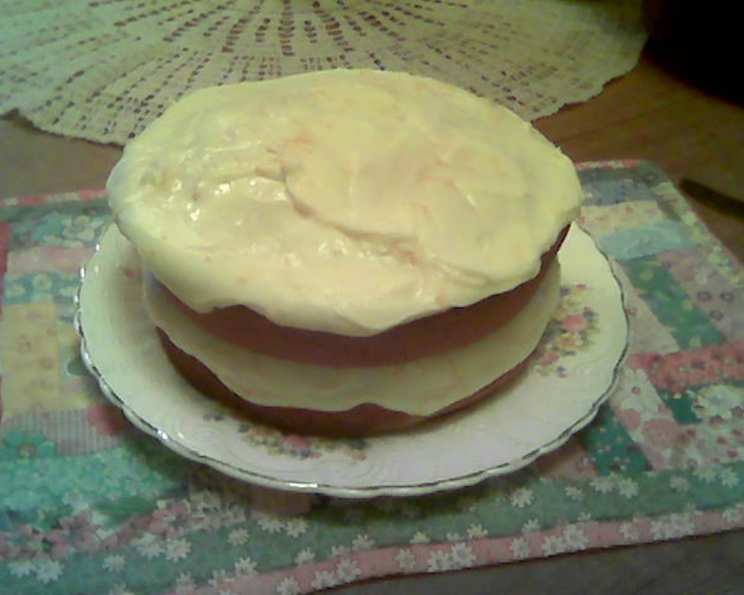
The Sunshine Cake: My Go-To Orange Cake Recipe
There are certain smells that instantly transport you back to a specific moment in time, and for me, the scent of orange zest mingling with warm vanilla does just that. I remember being a young culinary student, intimidated by the prospect of baking a “proper” cake. My grandmother, sensing my anxiety, gently guided me through this very orange cake recipe. The resulting cake, bursting with citrusy sunshine, became a symbol of confidence in the kitchen, a reminder that even the most daunting tasks can be mastered with a little patience and love. This cake has since become a regular in my baking rotation – its vibrant flavour and moist crumb never fail to impress.
Recipe Overview
- Prep Time: 20 minutes
- Cook Time: 30 minutes
- Total Time: 50 minutes
- Servings: 12
- Yield: One 2-layer cake
- Dietary Type: Not specified
Ingredients
For the Cake:
- 3 cups all-purpose flour
- 1 tablespoon baking powder
- 1 teaspoon salt
- 1/4 lb (1 stick or 113g) unsalted butter, room temperature
- 1 1/2 cups granulated sugar
- 3 eggs, room temperature
- 1 cup orange juice
- 2 tablespoons orange zest
For the Frosting:
- 4 tablespoons unsalted butter
- 1/4 cup orange juice
- 2 tablespoons orange zest
- 3 cups powdered sugar
Equipment Needed
- Two 9-inch round cake pans
- Mixing bowls
- Electric mixer (handheld or stand mixer)
- Measuring cups and spoons
- Rubber spatula
- Wire rack
Instructions
-
Begin by preheating your oven to 375°F (190°C). While the oven heats, thoroughly grease and flour two 9-inch round cake pans. This step is crucial to prevent the cake from sticking and ensuring easy removal after baking. A light dusting of flour after greasing will do the trick.
-
In a medium bowl, sift together the all-purpose flour, baking powder, and salt. Sifting ensures that the dry ingredients are evenly distributed and that the baking powder is properly activated, resulting in a lighter and more tender cake. If you don’t have a sifter, a whisk will work just fine. Set the dry ingredients aside.
-
In a large mixing bowl, cream together the softened butter and granulated sugar until light and fluffy. This process incorporates air into the batter, which is essential for a light and airy cake. Use an electric mixer on medium speed and beat for about 3-5 minutes. Ensure the butter is at room temperature to achieve a smooth and creamy consistency.
-
Add the eggs one at a time, beating well after each addition. This allows each egg to fully emulsify with the butter and sugar mixture, creating a stable batter.
-
In a separate bowl, combine the orange juice and orange zest. The zest is where all the fragrant orange oils are located, so don’t skip this step!
-
Now, gradually add the dry ingredients and orange juice mixture to the creamed butter mixture in alternating additions. Begin by adding half of the dry ingredients, followed by half of the orange juice mixture. Mix until just combined. Repeat with the remaining dry and liquid ingredients, ensuring not to overmix. Overmixing can develop the gluten in the flour, resulting in a tough cake.
-
Pour the batter evenly into the prepared cake pans.
-
Bake in the preheated oven for approximately 30 minutes, or until a wooden skewer inserted into the center comes out clean. Start checking for doneness around the 25-minute mark, as baking times can vary depending on your oven. If the cake is browning too quickly, you can loosely tent it with foil.
-
Once baked, cool the cakes in the pans on a wire rack for 10 minutes before inverting them onto the rack to cool completely. Cooling the cakes in the pans first helps to prevent them from breaking.
-
Prepare the frosting: In a medium saucepan, melt the butter over low heat. Remove from heat and combine it with the orange juice and orange zest, beating well until smooth.
-
Gradually add the powdered sugar, beating with an electric mixer until the frosting is smooth and creamy. If the frosting is too thick, add a little more orange juice, one teaspoon at a time. If it’s too thin, add more powdered sugar.
-
To assemble the cake, place one cake layer upside down on a serving plate. This will give you a perfectly flat surface to frost.
-
Using less than half of the frosting, frost the first layer, staying at least 1 1/2 inches from the edge. This will prevent the frosting from squeezing out when you place the second layer on top.
-
Carefully place the second layer right-side up on the bottom layer, pressing down lightly to secure it.
-
Frost the top of the cake, allowing some of the frosting to gracefully run down the sides. This creates a beautiful and rustic finish.
Expert Tips & Tricks
- For an even more intense orange flavor, try using blood oranges for both the juice and zest. Their vibrant color will also add a beautiful touch to the cake.
- If you’re short on time, you can use store-bought orange juice, but freshly squeezed juice will always provide the best flavor.
- To prevent the cake layers from doming in the center, try using baking strips (strips of wet cloth wrapped around the cake pans).
- For a richer frosting, use European-style butter, which has a higher fat content.
- If you want to add a glaze instead of frosting, simply whisk together powdered sugar with enough orange juice to reach your desired consistency. Drizzle over the cooled cake.
Serving & Storage Suggestions
This orange cake is best served at room temperature. Its bright flavor makes it a perfect accompaniment to afternoon tea or as a delightful dessert after a meal.
Storage:
- Room Temperature: The cake can be stored at room temperature in an airtight container for up to 2 days.
- Refrigerator: For longer storage, keep the cake in the refrigerator for up to 5 days. Be sure to wrap it well to prevent it from drying out.
- Freezer: You can also freeze the cake for up to 2 months. Wrap each layer tightly in plastic wrap and then in foil before freezing. Thaw overnight in the refrigerator before serving.
Nutritional Information
| Nutrient | Amount per Serving | % Daily Value |
|---|---|---|
| Calories | 461 kcal | N/A |
| Total Fat | 13.1 g | 20% |
| Saturated Fat | 7.7 g | 38% |
| Cholesterol | 77 mg | 25% |
| Sodium | 305.7 mg | 12% |
| Total Carbohydrate | 82.3 g | 27% |
| Dietary Fiber | 1.1 g | 4% |
| Sugars | 56.6 g | N/A |
| Protein | 5.1 g | 10% |
Note: Nutritional information is an estimate and may vary based on specific ingredients and portion sizes.
Variations & Substitutions
- Gluten-Free: Substitute the all-purpose flour with a gluten-free blend. Be sure to add a binding agent like xanthan gum (about 1 teaspoon per cup of gluten-free flour).
- Dairy-Free: Replace the butter with a plant-based butter alternative. Ensure that it is a solid stick version and not a spread.
- Lemon Cake: Substitute lemon juice and zest for the orange juice and zest.
- Spiced Orange Cake: Add 1 teaspoon of ground cinnamon and 1/2 teaspoon of ground nutmeg to the dry ingredients for a warm, spiced flavor.
FAQs (Frequently Asked Questions)
Q: Can I use margarine instead of butter?
A: While margarine can be used, butter will provide a richer flavor and a better texture. If you do use margarine, choose a high-quality stick margarine with a fat content similar to butter.
Q: My cake is sinking in the middle. What did I do wrong?
A: This could be due to a few factors, such as overmixing the batter, using too much liquid, or opening the oven door too frequently during baking. Make sure to follow the recipe carefully and avoid overmixing.
Q: Can I make this cake ahead of time?
A: Absolutely! The cake layers can be baked and stored separately in the refrigerator or freezer. Make the frosting fresh just before serving.
Q: My frosting is too runny. How can I fix it?
A: Gradually add more powdered sugar, one tablespoon at a time, until you reach your desired consistency.
Q: Can I add nuts or other ingredients to the cake batter?
A: Yes, you can add chopped nuts (like walnuts or pecans) or other ingredients like chocolate chips to the batter. Add about 1/2 cup to 1 cup of these additions, folding them in gently at the end.
Final Thoughts
This orange cake recipe is a true testament to the simple joys of baking. Its bright, citrusy flavor and moist, tender crumb will surely brighten anyone’s day. I encourage you to give it a try, and don’t be afraid to experiment with variations to make it your own. Whether you’re celebrating a special occasion or simply craving a sweet treat, this sunshine cake is guaranteed to bring a smile to your face. Please share your experiences and any delightful variations you create! Perhaps pair it with a cup of Earl Grey tea for the perfect afternoon indulgence.